Posted on

Reporting Harm – The Development of New Vaccines

The development of new drugs, and especially new vaccines, is very much in the public eye at the moment. This development is hugely costly not least because most potential products have to be rejected during development as not sufficiently safe and/or effective – this means the successful products have to carry the costs of all the failures as well as their own. It also means that once a product has made it through to official approval and general use there is inevitably huge reluctance to find fault with it as long-term problems emerge – very few drugs and vaccines are withdrawn at this stage. This makes it particularly important that any one of us who experiences a problem with a drug or vaccine reports it so the side-effect/bad reaction/failure can become part of official statistics about the product.

The phases of drug development are…

  1. Discovery and development when bio-scientists look for likely candidates based on knowledge of human biology
  2. Preclinical (lab-based) research
  3. Clinical research (what we think of as ‘drug trials’ where efficacy, dosage, safety etc are assessed)
  4. Official review and approval for specific uses by the relevant national authority (e.g. FDA in the US; MHRA in the UK; HPRA in Ireland)
  5. Post-marketing surveillance and monitoring (‘pharmacovigilance’)

Those of us outside the industry can contribute to drug and vaccine safety and efficacy by taking part in clinical trials, if the opportunity arises, if we have a particular health problem or are prepared to act as healthy ‘control’ patients. However, ALL of us who receive any medication or vaccination can contribute to ongoing monitoring by reporting any negative effect. In the UK this is done via the Yellow Card system (there is a great article about the Yellow Card system on the website of Independent Living here). In the US, the FDA monitors adverse events that may occur related to receiving a vaccine through its Vaccine Adverse Event Reporting System.

How many times have you, or someone you know, grumbled that a flu jab has given you a fever and a day or more off work? Or an asthma attack? Or that an antibiotic has had strange side effects, such as loss of hearing? Or that a statin has left you constantly weak and exhausted? But have you recorded the problem so that anybody who could take this into account knows? Just as we should exercise our right to vote, we need to exercise our right to speak out about the ill effects of health products – and the Yellow Card system applies not just to drugs and vaccines but medical devices (e.g. implants) and equipment (e.g. hearing aids which are often overly complicated for those to whom they are sold) too. With the roll-out of a number of brand new vaccines developed at unprecedented speed we must not be complacent or keep problems to ourselves – it is time to exercise our pharmaco-vigilance!

Posted on

How The Beginner’s Guide to Sanity was co-produced

Blog post written by authors of The Beginner’s Guide to Sanity, Erica Crompton and Professor Stephen Lawrie. The Beginner’s Guide to Sanity has been shortlisted in the Non-Fiction category of The People’s Book Prize 2020/21. Click here to give it your vote. 

Our self-help guide for people with psychosis is, we believe, the first written by a doctor and a patient. In a review in Therapy Today our book is described as ‘the epitome of co-production’. Unlike some accounts of co-production in clinical or academic settings, we’ve come together on an even footing to write this – and even shared the advance equally. Here’s how we got started and created something we feel is equal in every way.

How we met

Erica: Stephen and I met at a conference in London titled ‘Schizophrenia: new routes to better outcomes’ in March 2014 where we were both speaking about our areas of interest regarding schizophrenia. It was my first conference and I attended in glittery tights.

I’d been invited to the event by a speaking agent in Sweden who approached me on Twitter. What made me stand out to her was my pro-medical stance on treatment for schizophrenia and my journalism about my experiences with this. I jumped at the chance to present at the conference and pre-recorded an interview with Elyn Saks for this too. It was while this was showing on a big screen to the packed auditorium, that Stephen came over to my table and introduced himself. He asked if maybe he could tempt me to give a lecture on the stigma I’d experienced as a result of my illness at the University of Edinburgh, where at the time he was Head of Psychiatry.

Stephen: We do a regular external speaker ‘Special Lecture’ slot in Psychiatry in Edinburgh and are always looking out for new speakers and topics. I have always admired Elyn Saks and the account of schizophrenia in her book The Centre Cannot Hold and remember Erica doing a great job of interviewing her.

How we got started

Erica: It’s been a life-goal of mine to write a book for as long as I can remember but a few things were holding me back – my inexperience writing long-form copy, and ‘getting it right’. I wanted to write about my experiences of psychosis but felt another voice (in particular a ‘sane voice’) would add weight to all that I could say.

There are a lot of other voices from people with experience of psychosis I could include too. Every piece I write about my own journey with illness usually means someone gets in touch on email or via social media who can relate. I hoped to include these people’s thoughts in a book, too.

It was his mix of seriously impressive clinical expertise but also approachability that inspired me to ask Stephen if he’d be interested in working with me on a book.

He’d already helped with many articles I’d written for newspapers and Stephen is always an utter pleasure to work with.

Stephen: Thanks and ditto! I had been wanting to write an accessible book about schizophrenia for a general audience for many years but hadn’t really appreciated the importance of getting the voice of lived experience until around the time I met Erica – and when I also attended an event for pitching ideas to agents, who told me the same thing.

The write-up

Erica: We used a shared Google Doc to write the book and both added content, and notes over the course of a year. During this time I learnt so much from Stephen that is helpful for me in managing my psychosis. As I get very little time with my own care team, reading everything Stephen thinks we should know about psychosis has answered many of the questions I’m left with after an appointment with my own psychiatrist.

Stephen: The writing was a shared and fairly dynamic process. I put in everything that I thought someone with schizophrenia or any other psychotic condition, and those who care for them, might want to know. I tried to keep it as simple as possible – and then had to make it even more so and easier to digest after feedback from Erica and others.  Erica brought the text to life with quotes from others and was remarkably open about her own experiences.

Twitter trashing

Erica: One thing that unnerved both of us was a potentially negative reception from the latter-day anti-psychiatry and anti-meds brigade on Twitter. However, we’ve been lucky enough to avoid that so far. I do think some of these prolific ‘pill shamers’ on Twitter – many with fancy psychology doctorates – may have some unpacked attention seeking issues of their own.

Stephen: Yes, I remember saying to a friend that Erica would probably ‘get shit’ for co-authoring a book with a psychiatrist which is unashamedly pro-diagnosis and pro-medication – and him being appalled to hear that. Maybe we have got away lightly so far  because we are also pro-many other ways of handing psychosis – or maybe it’s because it was genuinely co-produced – or maybe the abuse will kick off later on. Even if that happens, the positive feedback we’ve had from people who have been helped by our book is hugely encouraging.

Posted on

What Survivors of Major Illness can Teach us

Blog post written by Dr Jerry Thompson, author of newly released Curing the Incurable: Beyond the Limits of Medicine.

Could we have underestimated our ability to heal ourselves from even the most serious of diseases? Could our innate powers of recovery be far greater than we realise?

This book examines healing from an unusual angle: it looks at those remarkable people who have recovered against the odds? I believe they have something absolutely crucial to tell us. Whether we have a serious illness or we just want to keep illness at bay they have information that can make a profound difference.

But how did they succeed? What did they do after their doctors told them they had an incurable disease?

I have been fascinated by these people that I call “survivors” for years. This book explores their stories and what they did. Recovering from a life-threatening illness is no small feat and you can be sure they did not get better by chance. They achieved it by following certain fundamental principles of health. And it is these fundamental principles of health that this book explores.

They used four main strategies, typically in combination. The book covers each one.

Few will be surprised that one of those principles, eating healing foods and avoiding harmful ones, was a popular and successful strategy amongst survivors. Combining information from case studies, research on the effects of food extracts on cancer cells and population studies this section gives us a useful guide on using food to heal.

Many know that our minds can powerfully impact on health but can mind power cure a life-threatening illness? In fact it can and there are many examples using many methods. We can use our mind to up-regulate our immunity, to go into healing mode or to create health. The case histories in this section are some of the most extraordinary in the book. The methods may surprise you and many are simple to use.

Mainstream medicine largely ignores toxicity but survivors cannot afford this luxury. How many carcinogens and neurotoxins do we meet in an average day and where do they come from? Which are the most dangerous? How can we reduce our and how can we excrete our accumulated chemical load. All this is covered in the book.

Changes in our energy field precede disease. They also precede healing. So understanding energy makes sense.

Again the stories could surprise: cancers the power of groups to bring about extraordinary healing, how lethal cancer can be cured from thousands of miles away, cancers disintegrating in minutes, and energetic blocks to healing that could prevent a good treatment working.

What emerges from these many remarkable accounts of recovery from major disease are basic and powerful principles of health and healing. Using them can make the difference between health and disease and many of are surprisingly easy to put into practice.

Posted on

How to Survive the Stress of Caring, and Look After Your Own Health

Blog post written by author of Who Cares?, Sara Challice. Who Cares? has been shortlisted in the Non-Fiction category of The People’s Book Prize 2020/21. Click here to give it your vote.  


Caring for a loved one is, without a doubt, a kind and selfless act. Not only does it give another a better quality of life, it may even extend their longevity.

But whilst caring, your altruism could cost you more than your time and energy, because around 70% of carers fall either mentally or physically unwell – this included myself!

During my time out recovering, I realised I needed to make changes so as not only to survive my caring role, but also to regain my health and start enjoying life again.

So how can you overcome the stress of caring, to become more resilient and safeguard your own health?

1. Check in with yourself

As a carer, you’re often so busy being there for everyone else that you ignore your own health. And during the pandemic, this is ever more so whilst trying to talk to your GP, let alone arrange a hospital appointment – all time-consuming tasks that take even more of your precious energy and time.

You may even be suppressing your emotions, as you’re so busy tending to and protecting those around you who are almost certainly classed currently as ‘high risk’ for coronavirus. The pressure can build up, bit by bit, and go unnoticed until crisis strikes.

Do you have a good friend or family member you could check in with for a short time, once a week? This can be either face-to-face (socially distancing of course!), over the phone or via Skype. Or you could try journaling – writing down your feelings and the issues you’re experiencing. Observing what is actually happening can help lead you to making better choices for yourself, as well as for your loved ones.

2. Take a break

If you see each day as a list of chores – just doing this, just doing that – you’ll end up simply falling into bed exhausted!

Even though times are ever more challenging, you still need to have regular breaks, as well as have quality time. You’re not just here for a loved one, you are also here for you!

Try taking a short break between each chore, even if it’s 10 minutes. This will help you pace the day. You could jot down a list of things you enjoy doing during these breaks, such as reading a magazine, having a kip, or calling a good friend for a chat. You can then pick from your ‘break menu’, when you stop for a rest.

3. Focus on the good stuff

There is often a lot to deal with and carers are often in survival mode – focusing on the issues, to ensure everything and everyone is okay – but this does not make for an enjoyable life.

What are you happy and thankful for in your life? It may just be a hot shower that morning, or your comfy bed. It could be having loving and kind friends or patting your pet. If I’d had a bad day, I would climb into bed and think of five things I was grateful for that day. It always put a smile on my face and put me in a better state of mind before sleep.

Just remember to be kind to yourself and recognise all that you do. You really are amazing, being there for loved ones. Make sure you are also there for you!

Posted on

Welcome to Society by Samantha Crilly

In honour of National Poetry Day, Samantha Crilly has provided a moving poem from her debut book Hope through Poetry. Launches 10th October, available for presale now.

Welcome to Society

Hello and welcome to society, we hope you enjoy your stay

We will make it as relaxing as possible as long as you do things our way

First of all and most importantly, make sure you fix up your exterior

If you slack at any point we will soon make you feel inferior

Secondly your life will be controlled by pieces of paper,

We will count it up and decide how important you are later

Thirdly, we want you to make your time here look as perfect as possible

Even if you’re having a bad day this is not optional

Fourthly make sure you post everyday on social media

One is fine at first, but we’ll soon get needier

In fact we can guarantee we’ll be getting greedier and greedier

Oh and In terms of your meals

We tend to advertise things to make you ill

Keeps our drug company’s going if you will

Trust us the more pills you pop, the better you’ll feel ……..

Lastly, just so you know, our planet is on its way out

But it has to keep up with our needs so that’s not something we talk about

So good luck and we hope everything is clear

Oh and don’t smile too much, people will think you’re weird.

Posted on

The Return to Education: A Guide for the Student Recovering/Recovered from CFS/ME

When returning to school, college or university after suffering from chronic fatigue syndrome/ME the student should avoid both mental and physical over-exertion. On some days even the minimal mental or physical effort can be deleterious and the student has to learn to accommodate during what may be a long process of recovery.

With CFS/ME in school children much information can be found on The Tymes Trust website here.

With CFS/ME and fibromyalgia all cases are different, with students all requiring unique requirements which makes the education plan and management more difficult. The dysfunction in the hypothalamus and the disturbed autonomic nervous system affect different systems and parts of the body and mind. Often there is a problem in getting up in the morning to be in time for school or lectures due to a disturbed circadian rhythm.

The other problem with all patients is the waxing and waning nature of the illness and this has to be understood by educational establishments, with students sometimes having to take off days when their symptoms worsen even though they seemed pretty healthy. They may occasionally look healthy and attempt to fit in with the educational system and school/ university student life but are often in a much more serious state of health then they let observers believe.

Unlike some psychological illnesses, CFS/ME patients retain their motivation but struggle with post-exertion malaise. The student will often try their best to carry on but their symptoms worsen with continued attempts to over-exert themselves.

As the Tymes Trust says on their information page: ‘Most children and students with CFS/ME are able to make some progress academically if education is suitably modified. However, they may be unable to follow the usual timescales for Key Stages and examinations etc. Therefore, it is important for schools to plan for the long term.’

Home tuition and/or online lessons are often needed in severe cases, reducing the extra strain that any examinations will inevitably place on the student.

It is imperative that both in school and further/higher education the relevant teachers and lecturers know about the students health problems even if they are in the past, just so there is a level of understanding for not pushing too fast and empathy if the condition deteriorates.

Recovering patients need to pace themselves, even if they are virtually symptom free. The student requires as much extra time as possible in their course work and to be given regular rest breaks during any examinations with the maximum extension to the time period allowed when sitting for any examinations.

I always advise rest breaks and small snacks and water when they take their examinations to reduce the symptoms of dehydration and hypoglycaemia which are common in CFS/ME and FMS.

Patients well enough to live in student accommodation should try as much as possible to find the quietest and least stressful environment to live in and, even if completely recovered, should avoid too much alcohol and too many late night events etc, making sure that their fellow students understand that they are not just being party-poopers.

Other measures that usually help are the use of a rest/recovery room when needed plus the student should be given easy access to lessons or lectures such as parking spaces near to the college/university entrance, and use of elevators rather than having to traipse up and down many flights of stairs all day.

Blog post written by Raymond Perrin, author of The Perrin Technique. Discover more about the upcoming Second edition here. 

Posted on

Giardia and its Complications to Coronavirus

This week is National Hygiene Week. Susan Koten, author of Irritable Bowel Syndrome and Giardia  explains how important it is to keep washing your hands or you could get giardia as well as coronavirus…

Giardia is a very common microscopic parasite that can affect the general health of the recipient in a short space of time by interfering with the whole digestive system.

This in turn gradually weakens the body and lowers the general immunity. The signs and symptoms of an infection are varied but diarrhoea and/or constipation, lethargy, bloating, nausea, headaches, and iron-deficient anaemia are but a few of these markers.

This makes those infected very vulnerable for other pathogens to invade the body and respiratory diseases are no exception.

In my book Irritable Bowel Syndrome and Giardia, I mention that the key herb for treating this parasite is Artemesia annua, (Qing hao) (sweet wormwood), a Chinese herb which in ancient times was used to treat fever, and has been used for centuries in the treatment of malaria. Not only is it effective but it has shown few adverse reactions in toxicology studies in long term use.

Covid-19 patients were reported to have a very high iron content in their cells[1]. The Artemesia annua-derivative, artemisinin, takes advantage of the fact that infected cells accumulate iron in large amounts – artemesinin is sequestered in cells where iron is high and this releases two oxygen molecules forming free radicals which kill the cell, leaving normal cells intact.

Cancer cells also have a high dependency on iron for growth and accumulate large amounts of iron. Artemisinin is used in the treatment of all cancers[2] and it has the effect of destroying cancer cells leaving normal cells untouched.

An infection of Giardia can create iron-deficient anaemia; by treating it with sweet wormwood, as described in Irritable Bowel Syndrome and Giardia, the patient’s health can return back to normal.

Iron appears to be a very important element to consider in any inflammatory condition and looking at the way sweet wormwood is attracted to these sites of excessive iron and destroys them this herb is definitely one to review.


[1] Cavezzi A, Troiani E, Corrao S. COVID-19: hemoglobin, iron, and hypoxia beyond inflammation. A narrative review. Clin Pract 2020; 10(2): 1271.  doi: 10.4081/cp.2020.1271

[2] Zhang Y, Xu G, Zhang S, Wang D, Prabha PS, Zuo Z. Antitumor Research on Artemisinin and Its Bioactive Derivatives. Nat Prod Bioprospect 2018; 8(4): 303–319. doi: 10.1007/s13659-018-0162-1


Posted on

It’s National Read-a-Book Day!

In honour of National Read-a-Book Day this Sunday 6th September, we asked our authors to recommend the best books they’d read during lockdown. This is what they told us:


Dr Sarah Myhill, independent GP and author most recently of Ecological Medicine, says: ‘The Shardlake series by CJ Samson – brilliant!  Also the Cicero trilogy by Robert Harris.’


Craig Robinson, mathematician and co-author with Dr Myhill, most recently of Ecological Medicine, says: ‘For me it would be The Diamond as Big as the Ritz by F Scott Fitzgerald.’


Sue Koten, herbalist and author of Irritable Bowel Syndrome and Giardia, says: ‘Company of Liars by Karen Maitland was very interesting as it was about a group of people travelling through the time of the plague.’


Julie Sullivan, author of The Gallstone-friendly Diet, says: ‘The best book I read in lockdown was Reasons to Stay Alive by Matt Haig.’


Frances Ive, health journalist and author of One Step Ahead of Osteoarthritis says: ‘I’d like to recommend two because they were so good: The acclaimed Normal People, by Sally Rooney, which I read in three days before watching the TV series which was equally good.

Where the Crawdads Sing by Delia Owens – brilliantly written with outstanding description of the wildlife and swamps in N. Carolina (and has sold 5 million copies).’


Barry Sears PhD, research scientist specialising in inflammation and author most recently of The Resolution Zone says: ‘I read a lot of history and philosophy during these times to put things in perspective. History doesn’t necessarily repeat itself, but it usually rhymes. Ancient Roman history especially provides a sense of balance. That’s why I am rereading Gibbon’s The Decline and Fall of the Roman Empire. I recommend co-reading a more recent book, Twilight of Democracy by Anne Applebaum, as a companion book.

‘Philosophy (especially Roman Stoic philosophy) lets you make better choices with the current fate you are dealing with. A book that I can recommend is Philosophy for Life and Other Dangerous Situations by Jules Evans.’


Erica Crompton, independent journalist and author of The Beginner’s Guide to Sanity says: ‘My mood has been low during lockdown which means concentration is poor. So I read Paragon art books as they’re succinct and easy to read. The last one in the third week of lockdown was called The Life and Works of Constable. It made me notice and appreciate the trees on walks after reading. Next up, Dear Life – short stories by Alice Munro, brought for me as a birthday gift.


Professor Stephen Lawrie, Erica’s co-author, says: ‘I would say Fiction: Girl, Woman, Other by Bernadine Evaristo.


Associate Professor Antonina Mikocka-Walus, health psychologist and author of IBD and the Gut-Brain Connection, says: ‘Boy Swallows Universe by Trent Dalton and The Ten Thousand Doors of January by Alix E Harrow are my latest favourites.’


Jo Waters, health writer and author of What’s Up with Your Gut? says: ‘I read all 880 pages of Hilary Mantel’s The Mirror and the Light  during lockdown – it seemed topical too as there was talk of plagues and tyrannical leaders and civil unrest. It was a great book to hunker down with in dark days, but it reminded me that dark days pass – although not alas for Thomas Cromwell. I read it in eight weeks and can’t wait to reread it.’


Nat Hawes, health researcher and author of the Nature Cures books and website says ‘The last intriguing book I read was Glittering Images by Susan Howatch.’


Dr Raymond Perrin, osteopath, specialist in neuro-lymphatics and author of The Perrin Technique, about to be published in a greatly enlarged second edition says: ‘I managed to dab onto a wonderful collection of short stories by Stephen King, Bazaar of Bad Dreams, which has the usual Stephen King twists from the master story teller.’

‘And a sort of health book I enjoyed during the past few months was The Reality Slap by Dr Russ Harris to understand how ACT Acceptance and Commitment Therapy helps people through life’s stresses and as a useful aid to helping some of my CFS/ME patients cope better with their illness.’


Hanna Purdy, nurse practitioner and author of Could it be Insulin Resistance? says: ‘I am hoping to read Dr Sarah Myhill’s Ecological Medicine next, about PK diet, sleep, exercise etc. It sounds similar to what I think about these things, so I am always very keen to learn more. I haven’t had time to read anything whilst finishing my own book, so I am only planning, but would like to name this book.’


Bridget Sheeran, independent midwife, homeopath, women’s health activist and author of colouring book Preparing for Birth, says: ‘I’ve been reading books that tell me how to do things and think A Taste of the Unexpected by Mark Diacono is brilliant – it tells one everything one would want in a holistic garden. And I’ve been revisiting Sally Fallon’s Nourishing Traditions to make fermented foods. Otherwise the only reading I’ve been doing is for a course but I’ve found Interpersonal Psychotherapy  by Scott Stuart and Michael Robertson fascinating and highly readable.’


Mary Jordan, author most recently of The ‘D’ Word, says: ‘I did enjoy The Infection Game by Sarah Myhill – everything she says is so sensible. I also really enjoyed Pale Rider  by Laura Spinney about the Spanish Flu of 1918. I read it to convince myself that this would all pass as it did 100 years ago and was amazed to learn that the effect of hysteria caused by the media is unchanged.’

‘For escapism you cannot beat Jane Austen and I reread her novels and then enjoyed reading Jane and Me by her great niece, Caroline Jane Knight, about the last days of Chawton House (JA’s brother’s house) as a private residence.’


Sara Challice, teacher, motivational speaker and author of Who Cares? says: ‘I read two great books this summer for my Mindfulness Teacher Training course, both on health and wellbeing. They are Ageless Body, Timeless Mind by Deepak Chopra, which shows we have more freedom and power than we realise, and Essential Spirituality by Roger Walsh, which will have something to offer you wherever you are on your spiritual journey.

‘I’ve also listened to Michael A. Singer’s The Surrender Experiment as an audiobook, about the author living a quiet life of meditation and solitude but agreeing to do what he was asked by others and how this helped him to evolve and grow… and turned into a huge business.’


Fleur Brown, author of Beat Chronic Disease, says: ‘The books I have most enjoyed reading during lockdown are: A Gentleman in Moscow by Amor Towles, Girl, Woman, Other by Bernadine Evaristo, Circe by Madeline Miller, Love is Blind by William Boyd and The Remains of the Day by Kazuo Ishiguro. If you want my favourite three, these are A Gentleman in Moscow, The Remains of the Day and Circe.


Caroline Freedman, specialist personal trainer and author of The Scoliosis Handbook of Safe and Effective Exercises Pre and Post Surgery, says: ‘I love reading and have always devoured books and any I have read during ‘Lockdown’ have had to really hold my attention. For a quick-dip-in-and-out book I’ve found Dr Sarah Myhill & Craig Robinson’s The Infection Game fascinating and has made me re-think about how I approach infections.

At The Pond is a bunch of essays by writers including Margaret Drabble and Deborah Moggach, describing their experiences of Hampstead Ladies’ Pond.  I walk on The Heath most weekends with my two dogs Tillie and Oscar and have never dreamt of swimming in the freezing cold outside. The trauma of having to emerge myself in my school outdoor unheated pool at the start of every Summer Term in April probably has something to do with this. Nevertheless after reading these memoirs I am really tempted to have a dip ‘At The Pond’… once ‘Lockdown’ is truly over.

The book I loved reading during ‘Lockdown’ and was really quite upset when I finished it was The Seven Husbands of Evelyn Hugo by Taylor Jenkins Reid.  Every page was a pleasure to read. The story unfolded beautifully and the Hollywood glamour painted so well, I could see the words in colour.  Each chapter was a surprise and I could not guess where the ending was going.  I can usually work out how a novel will finish… not this one.
 

Posted on

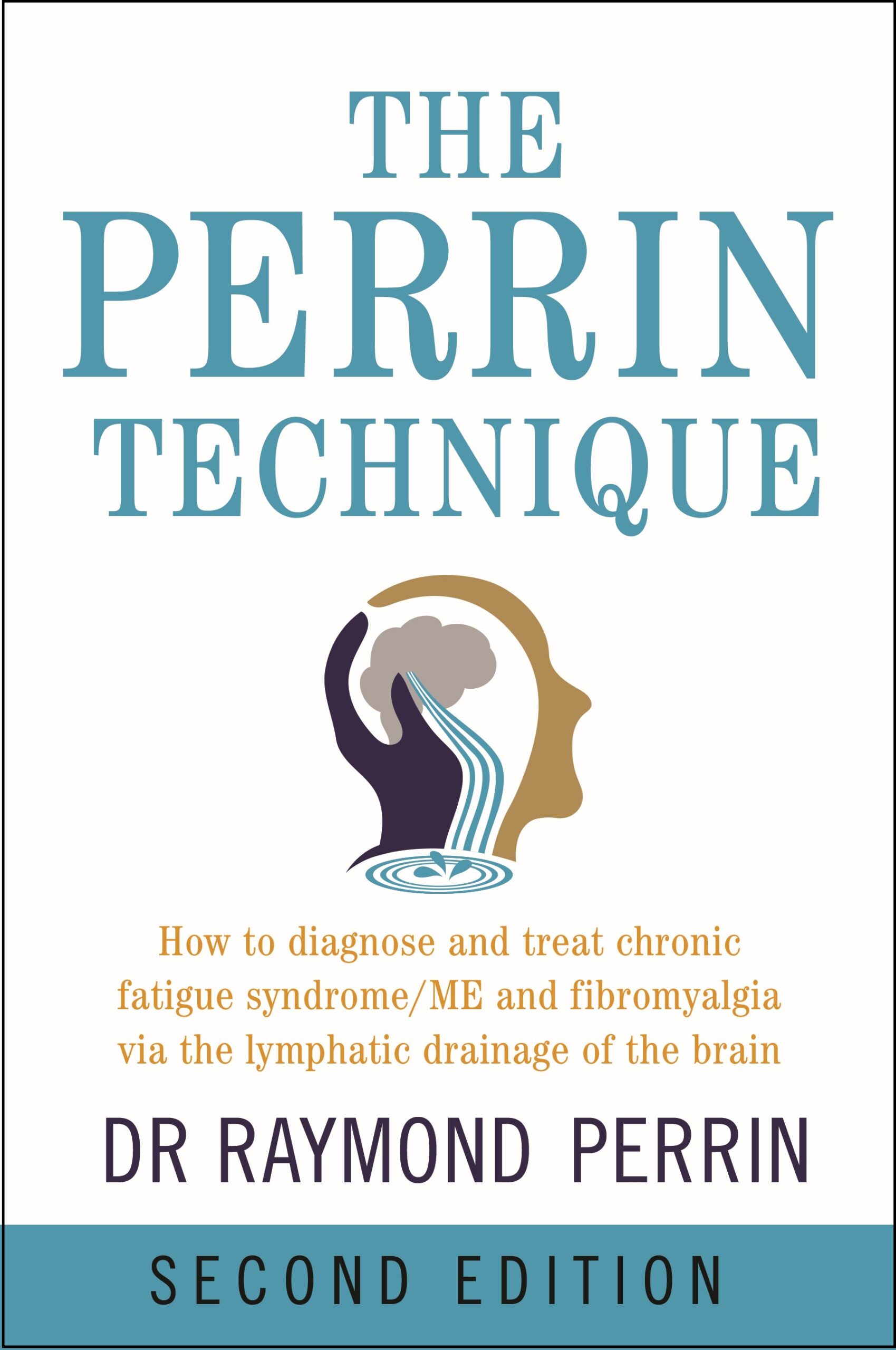
The Perrin Technique Second Edition – Coming Soon…

We have some exciting news to share about The Perrin Technique. This was first published in 2007 and since then has sold over 11k copies, helping very many people with CFS/ME (including the HHB publisher’s son) back to health. Author Dr Raymond Perrin has been working on a new edition for some years but had found clinical commitments plus invitations to lecture and train abroad worked against his completing this major work. Now with lockdown he has been able to finalise the second edition of his book and this will be available towards the end of the year.

It is greatly expanded and now includes all the latest research that sheds light on the importance of the lymphatic system and lymphatic drainage in health. While in 2007, the connection between cranial lymphatic blockage and chronic fatigue was a ‘hypothesis’ that was supported only by the results of treatment with the Perrin Technique; now the science exists to transform hypothesis into knowledge and to explain the diverse symptoms of CFS/ME.

Because the second edition, with the new sub-title  ‘How to diagnose and treat chronic fatigue syndrome/ME and fibromyalgia via the lymphatic drainage of the brain’, is greatly expanded (it will be around 500 pages) we will have to increase the price considerably but will ensure there is a more reasonably priced eBook as an alternative.

We are announcing the second edition now because copies of the first edition have run out and we can no longer offer it for sale. You may be able to find it online from some vendors and the author also has some copies remaining and can be contacted via info@theperrinclinic.com for anyone who can’t wait for the second edition – and the eBook continues to be available here. 

If you wish to leave an expression of interest with Hammersmith Health Books regarding a pre-publication special offer, please contact us via info@hammersmith.firstywork.co.uk and you can pre-order from Amazon and other booksellers. Please bear with us while we complete work on this large, complex and highly illustrated book. We can’t wait… but we have to get it right!

Posted on

Vitamin D and Covid-19

Blog post written by NH Hawes, author of Nature Cures: Recovery from Injury, Surgery and Infection

Many studies have concluded that low levels of the ‘sunshine vitamin’, vitamin D, in the body could play a part in reducing the immune system’s ability to fight off the Covid-19 virus. Vitamin D is manufactured in the skin from the sun’s rays and then stored in the liver for up to 60 days. It only takes 15 minutes of sunshine on the skin, a few days a week, to produce the vitamin D the body requires. Low levels will affect the immune system and can be caused by various factors, as follows:• Working or staying inside buildings during daylight hours.
• Covering the skin when going outside.
• Using sunscreen on all exposed skin before venturing outside.
• Being over the age of 60 as the body’s ability to manufacture and store vitamin D begins to deplete.
• Consuming too much alcohol.
• Having a compromised or damaged liver.
• Kidney disease.
• Gastrointestinal conditions such as Crohn’s, coeliac and non-coeliac gluten sensitivity or IBS.
• Skin disorders.
• Some medications.

Also, in the northern hemisphere of planet Earth, where most human beings reside, the sun’s rays are too weak to allow this process to take place from 1st October until 1st April every year. As the body’s stores of this vitamin become depleted, after 30-60 days, humans become prone to infections in the winter, especially viral and bacterial infections of the respiratory and sinus tracts. Therefore, there are far more outbreaks of viral colds, influenzas and pneumonia from November until April.

Vitamin D deficiency is on the rise because people have become aware of the risks of skin cancer caused by exposure to the sun’s harmful rays and either use sunscreens or cover up or avoid the sun completely. Sunscreens with a sun protection factor (SPF) of 8 or more appear to block vitamin D-producing UV rays, although, in practice, people do not apply sufficient amounts, cover all sun-exposed skin or reapply sunscreen regularly. Therefore, skin likely synthesises some vitamin D even when it is protected by sunscreen as typically applied.

Those with dark skin have less ability to produce vitamin D as over 90% of the sun’s rays cannot penetrate the skin This is also applicable to those who maintain a deep suntan over a period of time. This may explain why BAME people have been hardest hit by the Covid-19 virus.

Fifteen minutes of midday sunshine on bare skin can provide all the body needs. It is not the same as sunbathing; the skin simply needs to be exposed to sunlight a few days a week. UVB radiation does not penetrate glass, so exposure to sunshine indoors through a closed window does not produce vitamin D. Over-exposure to the sun’s rays can be dangerous for the skin but no exposure at all can be equally detrimental to our health. Complete cloud cover reduces UV energy by 50%; shade (including that produced by severe pollution) reduces it by 60%. This may also explain why the Covid-19 virus seemed to be especially prevalent and dangerous in polluted areas.

Vitamin D also protects against vascular disease via several different mechanisms, including reducing chronic inflammatory reactions that contribute to the pathology of the disease. Vitamin D also improves blood circulation throughout the body, which is essential for the heart to function properly. This helps reduce the risk of blood clots causing heart attacks, heart failure, strokes and other problems. Therefore, deficiency of vitamin D may also be the cause of these outcomes in the more serious Covid-19 cases.

Levels of vitamin D can be replenished marginally by consumption of vitamin D-rich foods such as:
o Krill oil
o Eel
o Maitake mushrooms
o Rainbow trout
o Cod liver oil
o Mackerel
o Salmon
o Halibut
o Tuna
o Sardines
o Chanterelle mushrooms
o Raw milk
o Egg yolk
o Caviar
o Hemp seeds
o Portabella mushrooms

However, often vitamin D levels drop too low and enough of these foods cannot be consumed to correct it. It is then that vitamin D supplements are required. It must be vitamin D3 that is consumed as the body cannot absorb vitamin D2. Plus, as it is a fat-soluble nutrient, it can only be absorbed into the body with some oil; consequently, vitamin D3 in oil capsules is the best way to ensure absorption.

The optimum level of vitamin D in the blood should be 50-70 ng/ml and up to 100 ng/ml to treat cancer and heart disease.

It is particularly important to have a blood test to determine vitamin D levels, especially if any of the following health issues are present:
• Abdominal pain
• Age-related macular degeneration
• Anorexia
• Autoimmune disease
• Bacterial infections
• Bone disorders
• Burning sensation in the mouth and throat
• Cancer
• Chronic fatigue
• Colds and coughs
• Confusion
• Constipation and diarrhoea
• Dehydration
• Dementia
• Depression
• Diabetes mellitus
• Dry eye syndrome
• Fibromyalgia
• Fungal infections
• Hypertension (high blood pressure)
• Influenza
• Irritable bowel syndrome • Insomnia
• Kidney disorders
• Liver disorders
• Loss of appetite
• Lower back pain
• Multiple sclerosis (MS)
• Muscle weakness or pain
• Nausea and vomiting
• Obesity
• Osteoarthritis
• Osteomalacia
• Parasite infections
• Peripheral neuropathy
• Polyuria (producing large amounts of diluted urine)
• Polydipsia (abnormally high thirst)
• Poor appetite or loss of appetite
• Rheumatoid arthritis
• Seizures – can be fatal
• Skin disorders (eczema and psoriasis)
• Systemic lupus erythematosus
• Tetanus
• Viral infections including Covid-19
• Visual problems
• Weakened immune system

In conclusion, the evidence that vitamin D may have an influence on the Covid-19 pandemic and should be tested for is as follows:
• Covid-19 became prevalent from November 2019 to April 2020, peaking in March 2019 when levels would be particularly low.
• Became more prevalent in polluted areas.
• Higher numbers of the BAME community had serious, and often fatal, outcomes.
• Persons over 60 were hardest hit.
• Persons with underlying health issues, often made worse by vitamin D deficiency, were hit harder.

If you feel you may have low levels of vitamin D, get a blood test done by your doctor as soon as possible. Also make sure that in November 2020 you get your levels checked again. This is important to help you fight off all viral infections, including colds and influenzas and especially the Covid-19 virus.