Posted on

Why have I written Transforming Trauma NOW?

Blog written by Dr Heather Herington, author of ‘Transforming Trauma‘.

Honestly, I wish I had written this book years ago as, of late, the rate of trauma has increased dramatically, particularly within the vectors of teenage suicides, and human trafficking. These events join rape, war, resettlement, and so many other adverse experiences that can create chronic imbalance in our limbic system along with conscious thought processes governed by the brain’s pre-frontal cortex, sometimes leading to a lifetime of chronic anxiety.

However, I am comforted by the hope that now, following the failure of pharmaceutical companies and public health officials to manage Covid-19, more and more people will understand that drugs dispensed by the orthodox medical profession are not the categorical answer to the attainment of a healthy mental state. That ship has sailed. The opioid crisis alone has shown us that. Rather, we need to call on the full slate of natural health practitioners as well as psychologists to both balance body chemistry and provide an effective means of discovering the story hidden within, the one at the root of the traumatic event, which can lead to healing the lingering response.

Simply put, the little-known Flexner Report of 1910 (commissioned by Andrew Carnegie and John D Rockefeller, American oil barons who were eager to advance corporate interests in medical education) is to blame for the lack of knowledge of natural medicine, as my book explains. Yet nutrition, homeopathy, botanical medicine, hydrotherapy, guided visualization, and the expressive arts have so much to offer to heal a shaken mind or heart. In fact people in the 1800s with an array of doctors at their disposal ended up eschewing “heroic” medicine (bloodletting, calomel, mercury, purging) being practiced by the so-called “regulars,” the predecessors of today’s allopathic doctors, as they witnessed their loved ones dying and turned to natural medicine. Is this no different than what is happening today with drugs, lockdowns, and vaccine side effects? The one silver lining is that natural healing methods can now emerge from the shadows.

Canadian William Osler M.D. – renowned professor of medicine at Johns Hopkins and advocate of “medicine as art” as well as scientific inquiry – voiced his criticisms of Abraham Flexner’s report. I imagine he would voice his disdain at the mess we find ourselves in today.

I believe my two-pronged approach described in Transforming Trauma is an answer to what has gone wrong from the sterilization of medical practice by the Flexner Report. It is safe, it is effective and ultimately it is fun and full of self-discovery. Balance the biochemistry first – find out what is causing oxidative stress (i.e., inflammation) through the uniqueness of the individual (possible allergies, toxins, lifestyle choices) so that blood sugar, blood pressure, tendency to addictions, can be calmed and balanced. Once this is accomplished, or concurrently, we find a way in, to center through meditation and similar mind-body techniques, as we deepen self-discovery, using the imagination, and ultimately bringing in art, music, dance/movement, singing/vocalizing, and acting.

This book transports you beyond the limits of current mental health practice and a pill for every ill to a place where one can heal without the use of pharmaceuticals, ultimately releasing the tragedy at the root of the trauma. Click here to buy now or read the first chapter for free.

Posted on

Migraine Awareness Week

migraine awareness week

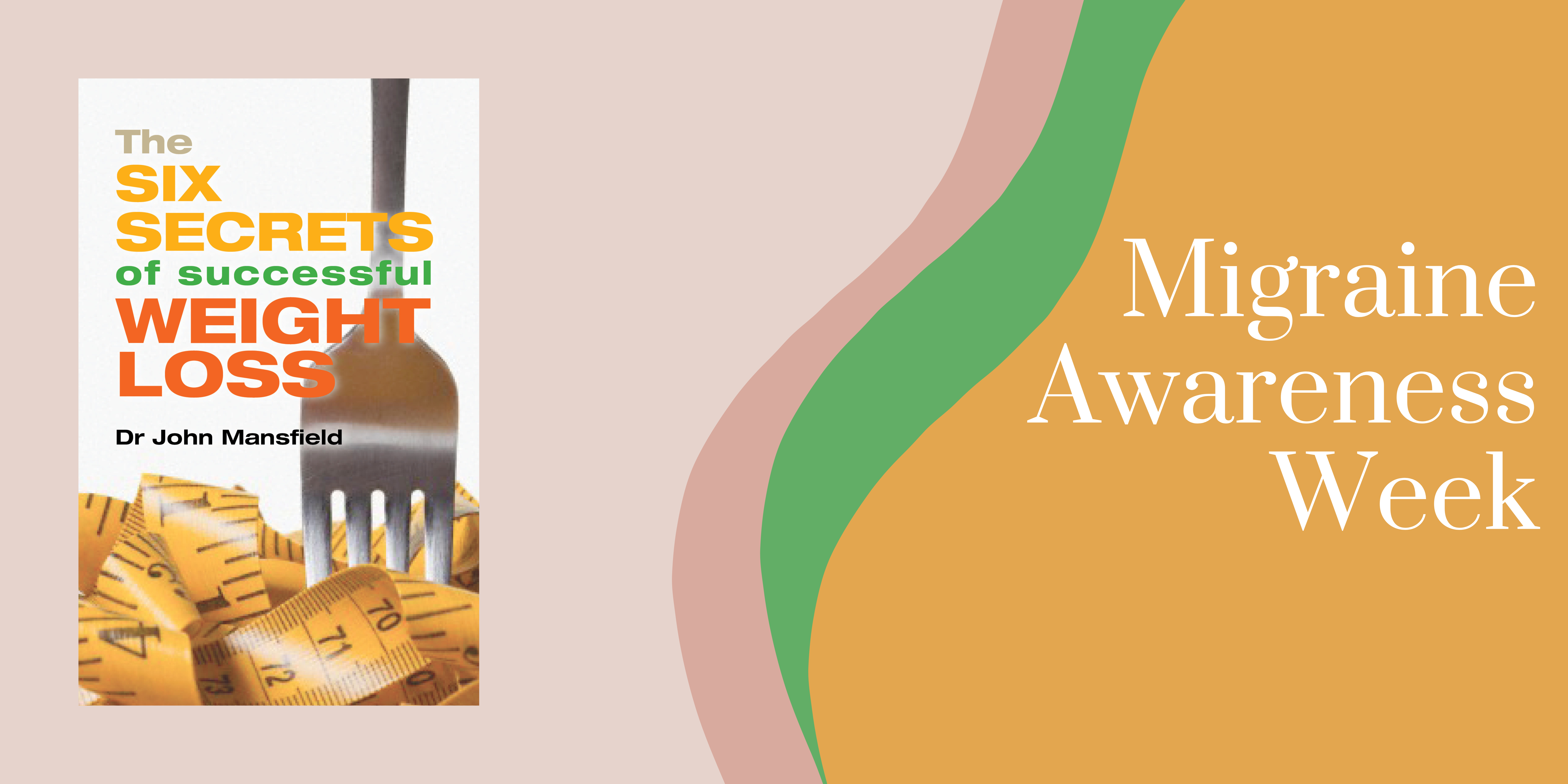
From the 5th to the 10th of September is Migraine Awareness Week so it is good to be reminded of helpful approaches to migraine relief from the recent past that may be overlooked in the face of current high tech innovation. Dr John Mansfield’s focus on food intolerance and his elimination diet (I say ‘his’ but he always credited others, including Dr Theron Randolph, with developing this first) were a life changer for me as his publisher as well as for his many patients, ending my ongoing, increasingly severe nauseous headaches.

Lancet study

John’s book, The Migraine Revolution (now sadly out of print) came out after he collaborated with Dr Ellen Grant of the Migraine Clinic Charing Cross Hospital in 1978, on a study of 60 patients with severe migraine, later published in the Lancet.1

His Hammersmith Health Books book ‘The Six Secrets of Successful Weight Loss’ contains insightful information and research on migraines and you can check this book out here. He wrote:

‘We put all patients in the trial onto my elimination diet as described in chapter 5. In 85% of these 60 patients, food sensitivity was discovered which, when addressed, resulted in all 85% losing their migraines. Fifteen out of the 60 patients had high blood pressure before starting the study, and all of these 15 found that, when they avoided the foods identified, their blood pressure returned to normal.’

The commonest foods found to cause a reaction were ‘wheat (78%), orange (65%), eggs (45%), tea and coffee (40% each), chocolate and milk (37% each), and corn, cane sugar and yeast (33% each)’. However, what is of overriding important is that these intolerances are completely individual. In my case the culprit was tap water, identified on Day 10 of the Elimination diet. Without his approach I wonder if I would have ever uncovered the culprit.

Case history: Jennifer T

In Six Secrets, John wrote:

Jennifer T was 29 years old when she first attended my clinic. She had been around 16 years old when she first noticed having some headaches, but by the time she was 20 her migraines had started in earnest about once a month. Soon after she started taking the contraceptive pill the migraines had become more frequent and severe. Having tried three separate brands she reluctantly gave up the pill and the migraines improved somewhat. When she was 25 she married and by this time her headaches had worsened and she was also experiencing bouts of depression and general fatigue. She had had her first child at 27 and had developed postnatal depression, but this had responded to one month’s treatment with antidepressants. However, her fatigue and migraines had become progressively worse, so her GP had tried various antidepressants, tranquilisers and migraine preventive drugs. These treatments had only had marginal benefits. Over these few years her figure, that she had been so proud of, had increased from 9 stone (57 kg) to over 11 stone (70 kg) (her height was 5 feet 6 inches (1.68 metres)).

Discussing her worsening problems with her excellent GP, he had mentioned that he had read details of several clinical trials performed at London Teaching Hospitals which had convincingly demonstrated that most migraines were caused by everyday foodstuffs (85% of adults in several studies and 93% of children in one study). She told her GP she had already tried omitting cheese, chocolate, citrus fruits and red wine – all to no avail. He explained that commonly eaten foods such as wheat, eggs, yeast and various sugars seemed to be the more likely foods causing the problem. The foods involved vary enormously between individual patients, so he referred her to my clinic.

Having taken a history from her I told her that her experience of increasing weight, migraine and fatigue was extremely suggestive of food sensitivity as her GP had rightly suspected. I put her on my standard elimination diet as with my other patients. She was warned that when she started this diet she would suffer a withdrawal reaction if her problems were indeed food sensitivity.

When she came to see me on the seventh day of the diet she ruefully confirmed that she had indeed had a severe migraine starting at lunchtime on the first day of the diet, being particularly intense in the evening of that day and all through the second day. The headache decreased in intensity on days three and four. The fatigue was also very bad on days two and three so she spent the second day of the diet in bed. After day four there was a noticeable improvement in her fatigue, but to her surprise she found that her muscles, particularly her thighs, buttocks and lower back ached as if she had flu. These symptoms are termed ‘withdrawal myalgia’ by doctors familiar with food sensitivity. These aches disappeared late on day five. When she saw me on day seven, her eyes were sparkling and she could hardly contain her enthusiasm for the changes that had occurred in her health. She had lost 7 lb (3 kg) in the six days of the diet and in the last 48 hours she had lost the puffiness in her face and all traces of her fatigue. In addition, her mind felt clearer than it had done for years. I told her she had had a classic withdrawal reaction and that food sensitivity was certainly the root cause of her problems, including the weight gain.

As with the other patients, she then gradually reintroduced one food at a time. She reacted adversely to wheat, corn, oats, rye and malt, but no other foods were incriminated. The reactions to these foods varied slightly, but basically consisted of recurrences of all her symptoms and an increase in weight. Despite these reactions, in less than two months her weight had decreased back to 9 stone by simply avoiding these foods.

As she found these foods are difficult to avoid permanently I offered her specific desensitisation as described in Chapter 6. She continued with this desensitising treatment for two years and managed to keep her weight at around 9 stone and had no trace of the headaches, fatigue or depression she once had had. I told her that after two years’ treatment she could probably discontinue it while still eating the offending foods providing she didn’t eat them in large quantities or daily. If she did eat the problem foods again in large quantities she would be likely to re-sensitise herself.

In my case I simply avoid drinking tap water, whether straight or in hot drinks, not knowing what the actual ingredient that causes the problem is. Boiled water is not the answer. Filtered water is not always OK, which can be a disastrous discovery, first with overwhelming sleepiness and then completely debilitating headache! Worst of all are swimming pools. Bottled water continues to be the answer despite the expense.

What may the problem foods be for you?

John wrote:

‘In migraine, although wheat is the most common, oranges would be at around position three or four. Only around 2% of migraine sufferers react only to cheese, chocolate, citrus fruits and red wine, contrary to popular belief. When you do the elimination diet, you will probably find that you react only to a handful of foods, and if you are lucky, just one or two. Occasionally someone will react to something obscure like pineapple or melon.’

Of course, in Dr Mansfield’s research with Dr Grant, 15% of migraine patients did NOT have a food intolerance as the root cause. Migraines are a complex phenomenon to which many factors may contribute. However, given the simplicity and other beneficial insights from doing his elimination diet (I also rid myself of anxiety, plantar fasciitis and recent unexplained weight increase) there is much to be gained by trying it out.

  1. Grant EC. Food allergies and migraine. Lancet 1979; 1(8123):

966-969. doi: 10.1016/s0140-6736(79)91735-5.

Migraine Awareness Week (5th – 10th September) is an annual initiative by The Migraine Trust which aims to provide support and care to those suffering with migraines. The causes of migraines and the best course of treatment can differ for every person and what works for some may not be as effective for others, so if you are struggling with migraines, make sure to consult your GP.

Posted on

Hammersmith Health Books – As Featured in the Media

Our authors have been busy this summer and have been featured in some amazing publications, speaking about a range of interesting topics, offering expert advice and providing insightful guidance.

Here are some of the media highlights for our authors over the last few months:


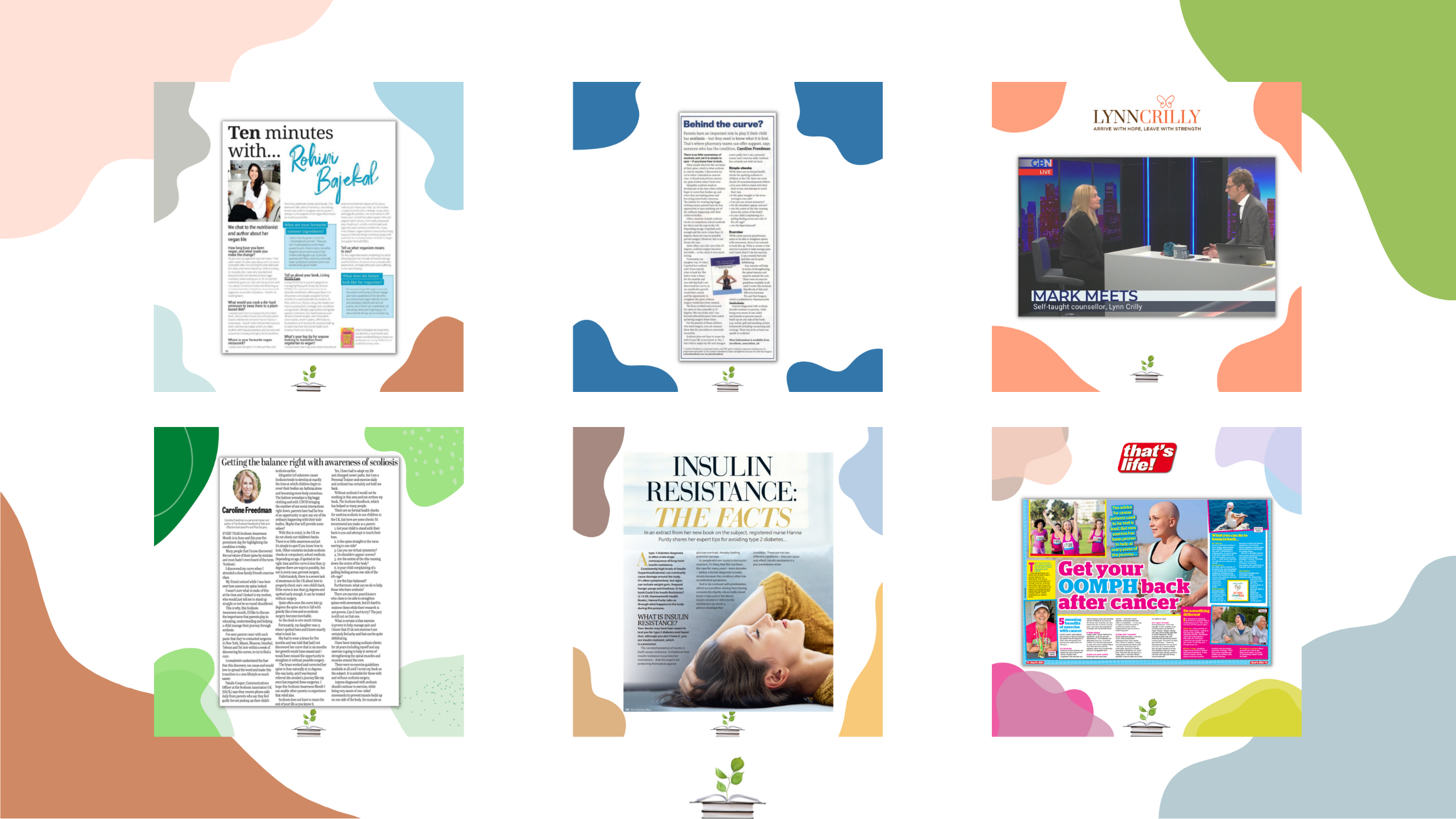
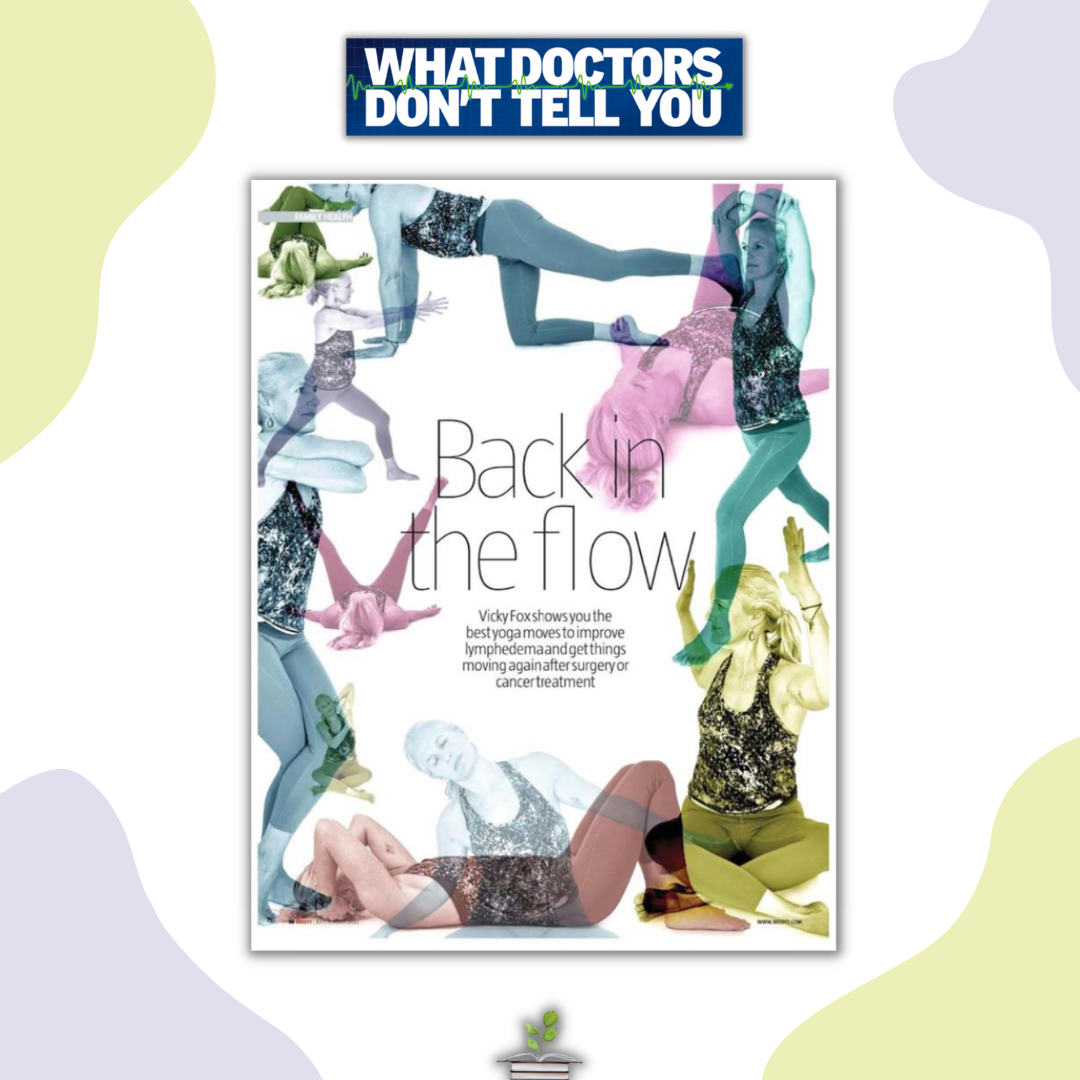
Vicky Fox – ‘Back in the Flow’ in What Doctors Don’t Tell You

Vicky Fox, author of ‘The A-Z of Yoga for Cancer’ was featured in the July 2022 edition of ‘What Doctors Don’t Tell You’. In this article, Vicky spoke about the best yoga moves to improve lymphedema and to help the recovery process after surgery or cancer treatment. With step-by-step instructions and images, she demonstrated everything from warm-up exercises to moves that mobilise the small joints and many more.


Caroline Freedman – ‘Hospital backlog in UK ‘costing lives of children, medics warn’ in The Sunday Express
Caroline Freedman, author of ‘The Scoliosis Handbook’, spoke in The Sunday Express about hospital waiting lists and the effect the long waiting times have on the physical and mental wellbeing of children living with Scoliosis.

You can read the full article here.


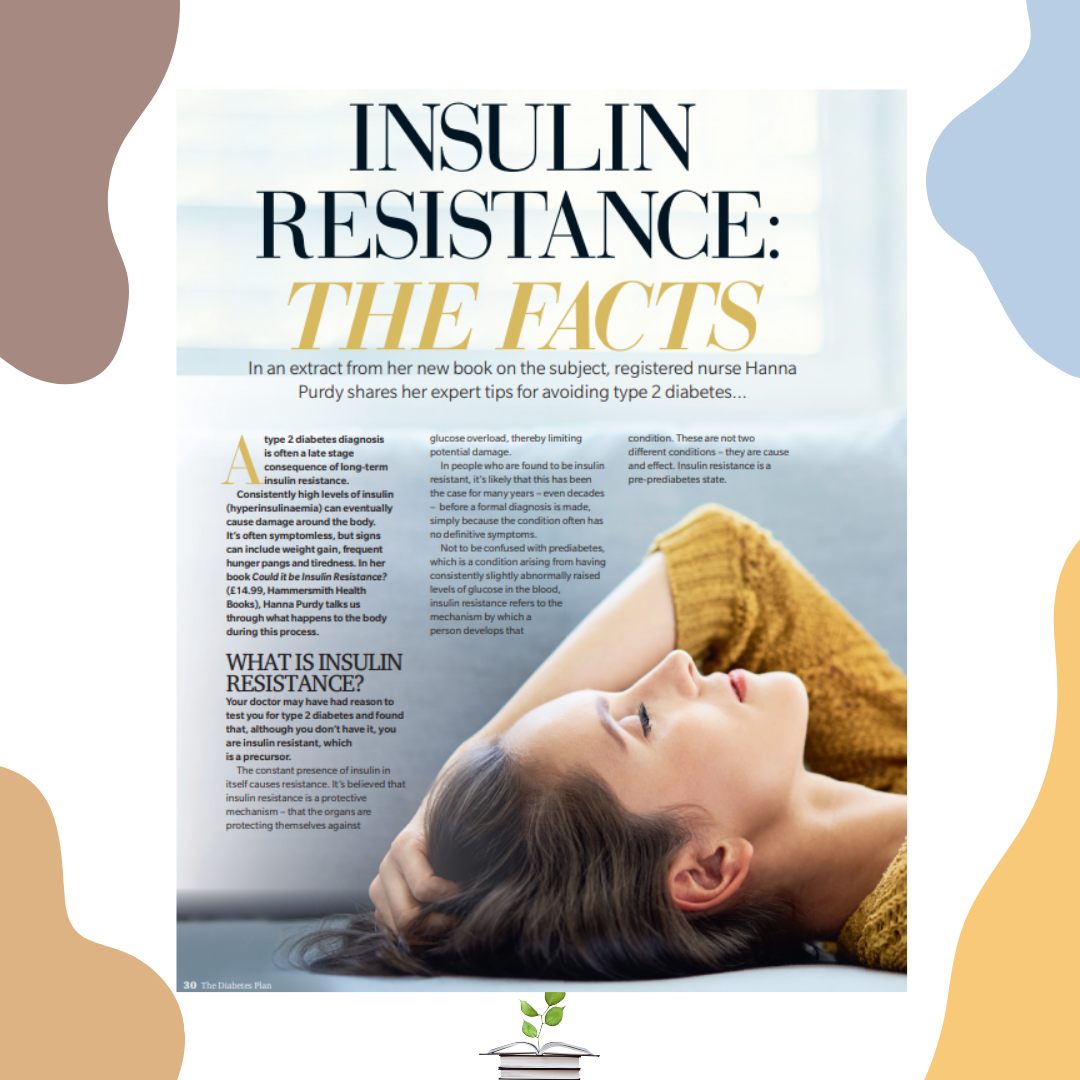
Hannah Purdy – ‘Insulin Resistance: The Facts’ in The Diabetes Plan

Hannah Purdy, author of ‘Could it be Insulin Resistance?’ was featured in an amazing article in The Diabetes Plan where she explained what insulin resistance is, what causes it and what lifestyle changes can be made to avoid Type 2 Diabetes.


Lynn Crilly – ‘Mark Dolan Meets’ on GB News

Lynn Crilly, author of the ‘Hope With’ range spoke with Mark Dolan on GB News about mental health conditions and the effects they can have on those living with it and the people caring for them. While discussing her short film depicting life with OCD and eating disorders, Lynn Crilly offers expert advice and support on coping with mental health conditions.

You can check out the full interview here


Carolyn Garritt – ‘Get Your Oomph Back After Cancer’ in That’s Life! Magazine
Carolyn Garritt, author of ‘Get Your Oomph Back’ was featured in That’s Life! Magazine, where she spoke all about the benefits of exercising after a cancer diagnosis and during treatment. Opening up about her own experiences, Carolyn Garritt offers readers support and advice on how you can bounce back after a cancer diagnosis.


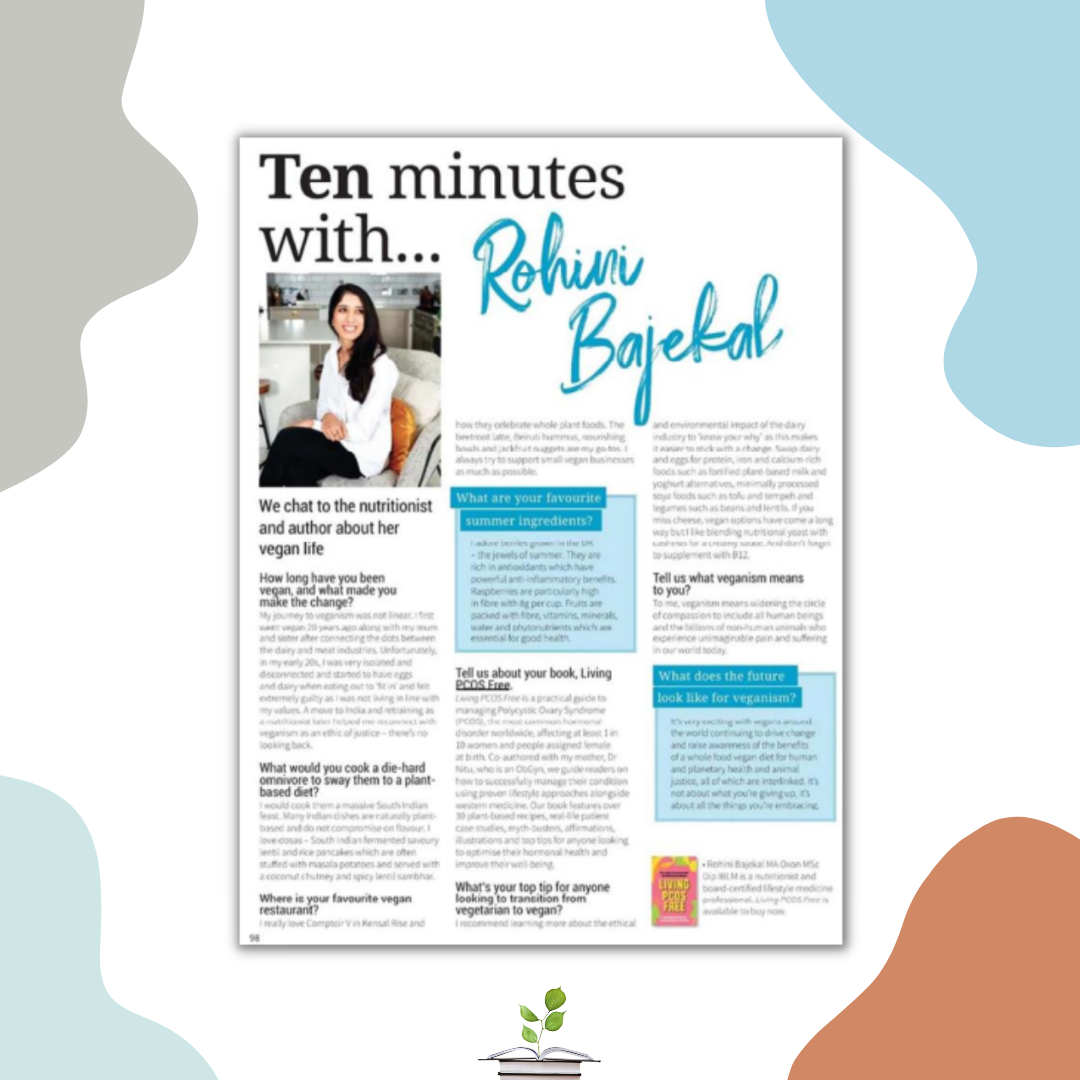
Rohini Bajekal – ‘Ten Minutes with Rohini Bajekal’ in Plant Based Magazine
Rohini Bajekal, co-author of ‘Living PCOS Free’ was featured in Plant Based Magazine where she spoke all about her vegan lifestyle and offered top tips for anyone looking to transition from vegetarianism to veganism.

It’s always great to see our authors providing expert advice on the topics they are so knowledgeable in. You can buy their books via our main page here: https://hammersmith.firstywork.co.uk/

Posted on

5 benefits of homemade smoothies

Blog written by Rohini Bajekal, co-author of ‘Living PCOS Free‘.

1. Easy way to increase fruit and vegetable intake

Smoothies are so versatile. Got leftover fruit or veg? it’s the perfect way to use up half a banana, strawberry tops or wilted spinach 🍓 If you have bought too much fruit or veg, just freeze it for later. Rotate your greens and add in fresh herbs – mint is my favourite.

2. Great vehicle for protein and fats

Do not replace smoothies with meals when they are nutritionally inadequate! Smoothies should be more than just vegetables, fruit and water. Healthy fats such as plant milks, avocado, soy yoghurt, ground flaxseed, chia seeds and nuts are all great additions 🥑 These boost the protein content but you can also use silken tofu or organic vegan protein powder (if you’re especially active). Drizzle nut butter on top and add some homemade granola for crunch or fresh fruit/seeds.

3.  Easy to digest

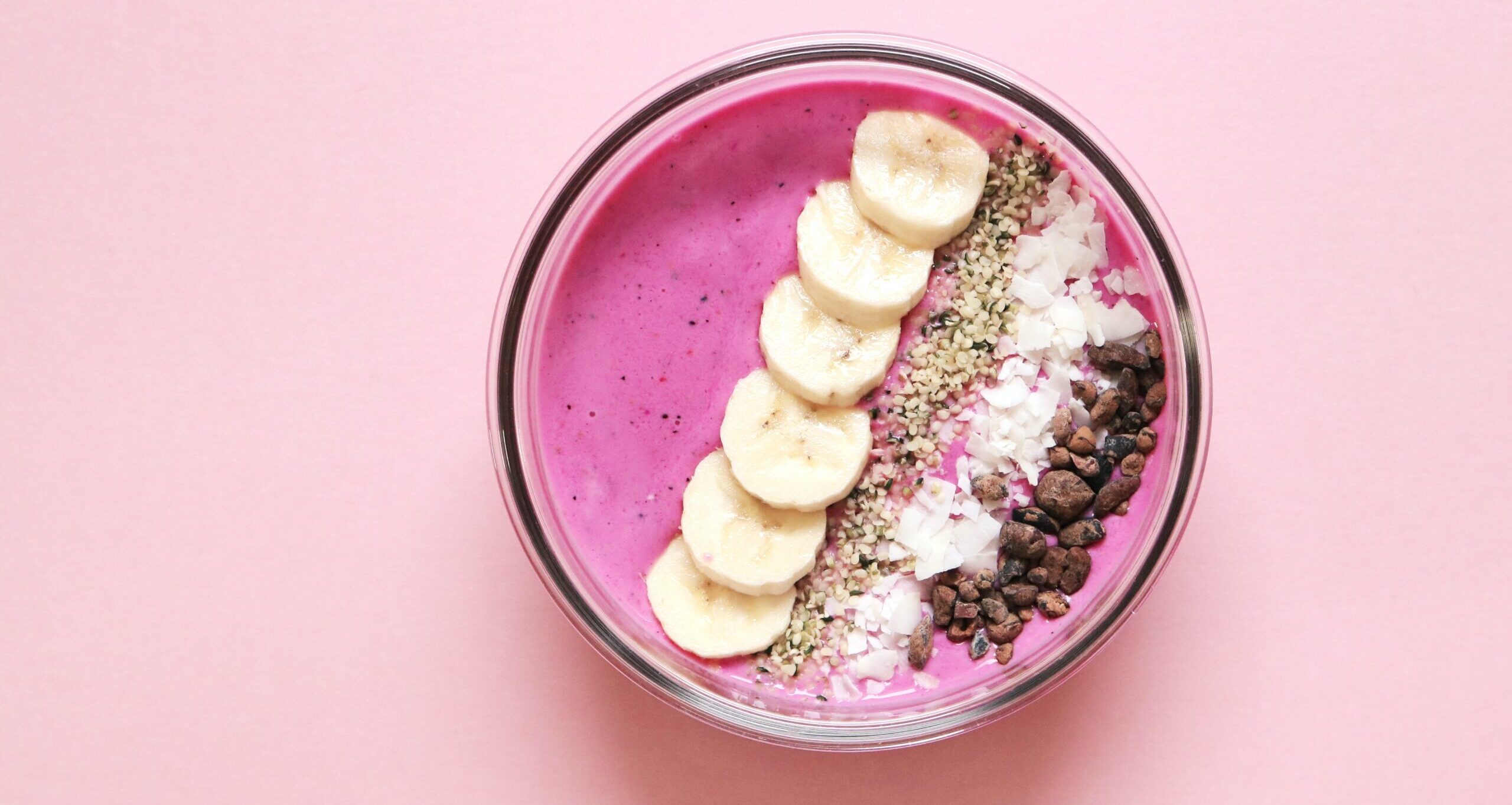
If you want something that’s easy on your digestion, a fruit/vegetable smoothie with plant milk could help. When you blend ingredients, you break down plant cell walls, which makes many nutrients even more digestible. However, it’s important to “chew” your smoothie rather than gulp it down – this helps activate the first phase of the digestive process. Chewing actually helps you absorb nutrients. Using less liquid and making a smoothie bowl (like @nonie.tuxen ‘s pictured here) as well as eating with a spoon helps ensure you take your time 🥄

4. Can be helpful if you feel nauseous/for morning sickness

Smoothies can help quell nausea and may help with morning sickness if you’re finding it hard to keep food down. Iced smoothies with frozen fruit and veg can be especially helpful. Add in ginger which studies show can reduce nausea and vomiting and a frozen banana for energy 🍌

5. Good for small appetites

For those with small appetites or anyone who is underweight, smoothies can be a healthful snack in addition to meals.They are also a great way to add some greens into children’s diets 👧🏽 You can hardly taste spinach in a banana, soy milk, peanut butter and spinach smoothie.

If you’re making a homemade smoothie this week, why not tag us in your creations on social and we’ll reshare!

Posted on

Be aware of allergies as the root cause of many problems including fatigue

books

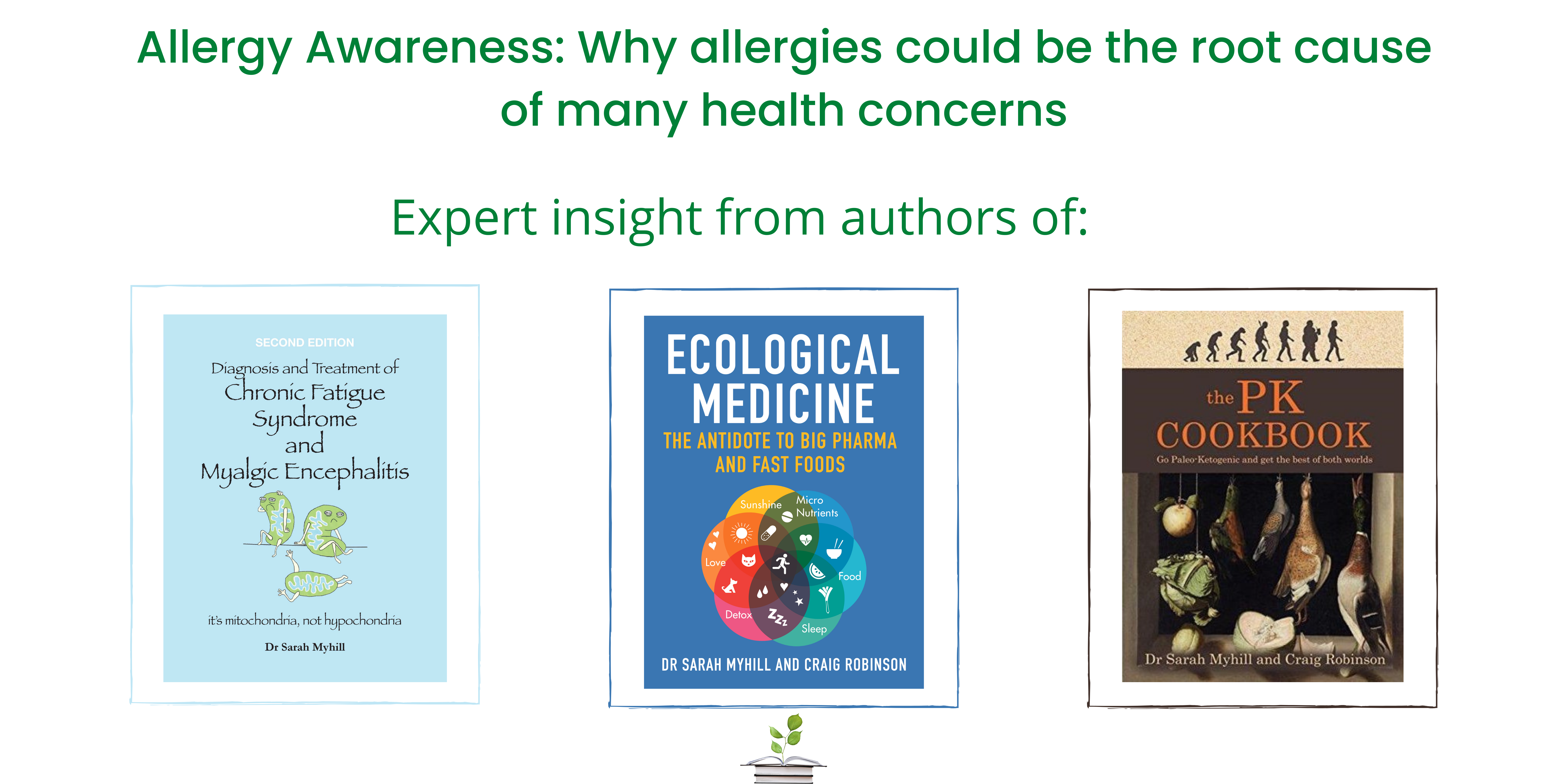
Blog written by Sarah Myhill, author of Diagnosis and Treatment of Chronic Fatigue Syndrome, Ecological Medicine, and The PK Cookbook

Allergy is the inflammation which results from response to substances (called antigens) from outside the body. Some of these present no threat to the body. Examples include pollen, house dust mites, animal dander and foods. Some antigens do pose a threat in high doses, such as metals (lead, mercury, arsenic, nickel), toxic chemicals (pesticides, solvents) or electromagnetic radiation (wi-fi, mobile phones, cordless phones etc).

Allergy has been known about for centuries. For example, 5-10 per cent of people with asthma are also allergic to sulphites. Pliny the Elder wrote of this when he reported the case of an asthmatic patient (rare for his times) who died from a bronchospasm in 79 AD after the eruption of Mount Vesuvius. The patient had lived a ‘normal life’ but for this ‘one incident’.

Allergy is the great mimic and can produce almost any symptom. Furthermore, one can be allergic to anything under the sun, including the sun! Allergy is also common – at least 30 per cent of the population are allergic to some foods. However, by the time allergy has produced fatigue (the major focus of my work as a doctor) it has usually caused other problems beforehand. Suspect an allergy problem if any, or a combination, of the following are present:

* The onset of fatigue is pre-dated by, and/or there is a long history of:

* asthma, sinusitis, rhinitis, eczema or urticaria

* irritable bowel syndrome with wind, gas, bloating, abdominal pain, alternating constipation and diarrhoea

* migraine or headaches

* joint (arthritis) and muscle pain

* mood swings, depression, anxiety, PMT

* almost any unexplained, recurring, episodic symptom.

  • Childhood problems – This would include being a sickly child with recurrent ‘infections’, such as tonsillitis (actually probably allergy). Indeed, a colleague who is a consultant paediatrician considers it medical negligence to surgically remove tonsils without first doing a dairy-free diet. Rhinitis, sinusitis, catarrh and colic are typical dairy allergy symptoms.
  • Symptoms change with time – Often the allergen is the same, but the symptom changes through life. Allergy to dairy products typically starts with colic and projectile vomiting as a baby, followed by toddler diarrhoea, catarrh and glue ear, recurrent infections (tonsillitis, croup, middle ear infections) and ‘growing pains’. Teenagers develop headaches, depression, irritable bowel syndrome, PMT and asthma. In adult life, muscle, tendon and joint pain (arthritis). Any of the above may be accompanied by fatigue.
  • There is a positive family history – I have yet to find a patient who is dairy allergic who does not have a first-degree relative (parent, sibling, child) who also has symptoms suggestive of allergy to dairy products. Allergy to gluten grains also runs in families.
  • There is a tendency to go for a particular food – One of the interesting aspects of allergy is that sufferers often crave the very food to which they are allergic. This was illustrated by one patient who told me that when he died he wished to take a cow to heaven with him. It was dairy which was his main problem! If wheat appears with every meal, then allergy to such is likely.
  • There are symptoms of fermenting gut – Microbes from the gut are minuscule and easily spill over into the bloodstream. This is called ‘bacterial translocation’. These bacteria do not cause septicaemia (blood poisoning), but they may cause allergy reactions at distal sites. I suspect many clinical pictures can be explained by this, including irritable bladder, interstitial cystitis, intrinsic asthma, chronic urticaria, chronic venous ulcers, polymyalgia rheumatica and arthritis (osteoarthritis, rheumatoid arthritis, ankylosing spondylitis and so on).

How to identify your personal food allergies

I never do tests for food allergy because they are unreliable. False negatives are common – so, for example, many people who are intolerant of gluten will test negative for coeliac disease. Often, when the test is negative, they are told by their doctor that it is safe to eat that food – not so! There are many tests for food allergy on the market, but again I find positive results can be misleading, not least because the patient believes absolutely in the accuracy of tests and ends up avoiding foods unnecessarily or eating foods which are causing them symptoms.

The only reliable way to diagnose food allergy is by an elimination diet. The key is to cut out those foods that one is consuming daily. The reason that reactions may be prolonged or delayed is that daily consumption masks the link between exposure and symptom. Western diets include daily consumption of grains, dairy products and often yeast. If in addition one is eating other foods, such as potato, soya or tomato, or drinking regular tea, coffee or whatever on a daily basis then this too should be excluded. One should stay on this diet for at least one month before reintroducing foods to the diet – this should be done cautiously since reactions can be severe. Dr John Mansfield developed a practical, easy-to-follow elimination diet that is described in his last book, Six Secrets of Successful Weight Loss.

The Stone-Age or Paleo diet is a ‘best guess’ diet and a useful starting place, hence my recommendation of the PK (Paleo-Ketogenic) diet as explained in our book Paleo-Ketogenic: the Why and the How. If it transpires that there are multiple allergies, then these days I do not put people on a more restricted diet – that is because some people get completely stuck on two or three foods and are unable to bring in new foods because of the above severe reactions. Instead, I put in place the interventions I recommend for a general approach to inflammation together with specific desensitisation techniques to switch off allergy (see our book Ecological Medicine).

Increasingly I am finding that one does not have to be perfect to reduce allergy and allergy symptoms. Simply reducing the total load is helpful – attention to the general approach is as important as specific desensitisation. However, the key steps are:

  • The PK diet
  • Extinguishing the inflammatory fire with my Groundhog Chronic regime (see any of our books) including antioxidants, especially vitamin C
  • Identifying possible causes, not forgetting micro-organims in the upper gut that should not be there, and eliminating or avoiding them
  • Detoxing to reduce the factors that cause inflammation
  • Reprogramming the immune system with probiotics, micro-immunotherapy, enzyme potentiated desensitisation (EPD) and neutralisation – all explained in detail in Ecological Medicine.
Posted on

Young people and the importance of healthy eating  

Blog post written by Hanna Purdy, author of ‘Could it be Insulin Resistance?’

Insulin resistance and its corresponding effects, such as obesity, are alarmingly common issues in young people. In addition to excess weight, it is less commonly known and acknowledged that the effects of insulin resistance can also manifest as depression, anxiety and other mental health issues. This is due to the interconnection between the enteric nervous system, a collection of millions of nerve cells lining the gastrointestinal tract, and the central nervous system. This gut-brain axis means that our diet has a substantial influence over our moods. Therefore an unbalanced gut microbiome, hormonal imbalance and chronic inflammation, which are all effects of an unhealthy diet, go hand in hand with insulin resistance and negatively influence our mental as well as physical health. These effects are highly damaging to developing children and young people.


What is insulin resistance?

To briefly outline this concept, insulin resistance is where our cells are not responding to the effects of insulin in the way they should. The main cause of this is the overconsumption of sugary and starchy foods, as well as eating too frequently (e.g. snacking throughout the day). As a result, too much insulin is produced in the body, a hormonal problem also known as metabolic syndrome. A diet consisting of an excess of sugar and starch and a lack of integral micronutrients can also have an adverse effect on the good bacteria in our gut, causing abdominal problems such as IBS as well as mental issues such as depression. An excess of insulin and a deficiency of good bacteria can affect other hormones in the body, causing problems such as early puberty, acne and PCOS.

Children and young people are especially vulnerable to the consequences of insulin resistance, and therefore it is vital that parents are educated as to its cause and effects, as well as how to reverse it.


Educate your young people on insulin resistance

A common misconception held by both adolescents and adults is that you need to eat less to lose weight. It is important to understand that weight loss does not work that way, and under-eating can only do harm. It is essential for children and young people to eat the necessary nutrients (e.g. proteins, healthy fats) and the right amount of food to fuel their bodies. Excess weight is the result of too much insulin in the body, not too many calories, and exercising more does not solve this problem either. We also need to have an understanding of the micronutrients we get from our food, and why they are needed.

Education is one of the most important things if you want to bring about a lifestyle change, as cutting out sugar and starchy carbohydrates may be challenging. Educating your children and young people is very advantageous, as building an understanding of the topic of insulin resistance and healthy eating could motivate them to opt for healthier foods themselves. The WHY is very important. Simply making them eat more healthily “just because” will not help create long-term changes.


Learn to cook a wide variety of tasty and healthy meals

The first thing that comes to mind when thinking about healthy meals is salad. It might be worth reminding young people that healthy meals can actually be delicious and tastier than fast food when cooked right. You can eat all your favourite foods if you just make them yourself, from good ingredients. A fun way to get creative is to make alternatives to your favourite junk foods and desserts. There are many websites online that provide delicious recipes for you to follow and tweak to your liking (and there are some in my book Could it be Insulin Resistance? also). Personally, I find that the healthier alternatives taste better and they make you feel great. Here’s an example recipe from my book:

Chilli con carne

For 4 people

Ingredients:

  • olive oil
  • 500g beef mince
  • 1 onion, finely chopped
  • 1 red pepper, finely chopped
  • 1 yellow pepper, finely chopped
  • 2-3 cloves garlic, finely chopped, or grated
  • 400g can chopped tomatoes
  • 2 tbsp tomato purée
  • 1-2 tsp chilli powder
  • 2 tsp paprika
  • 1 tsp ground cumin
  • salt
  • black pepper
  • sour cream
  • grated cheddar cheese for serving

Method:

  1. Heat a drizzle of olive oil in a pan
  2. Add the mince and cook until it is brown
  3. When the meat is nearly cooked, add the onion and peppers and continue cooking for another 5 minutes
  4. Add the garlic, tomatoes, tomato purée and all the spices, including salt and pepper, according to your taste
  5. Simmer for 15-20 minutes. Serve with grated cheese and a spoonful of sour cream on top as well as a green salad


Replace fizzy drinks with water, kombucha and herbal tea

Soft drinks such as Coke or Pepsi can be very addictive. Kombucha is a great alternative. Not only is it pleasing for the taste buds, but it also provides probiotics, which are essential for gut health. If you can’t obtain kombucha, then herbal tea with some honey should suffice.

Now, if you think that replacing sodas with diet sodas is better, you have been misinformed. There are many articles on the Internet that provide valuable insight on the subject, but in short, diet sodas are very harmful to the body, containing artificial sweeteners as they do. Don’t forget, fresh water is always the best alternative for hydration.


Please read my book,Could it be Insulin Resistance?’, for more information on this topic.


Posted on

What Survivors of Major Illness can Teach us

Blog post written by Dr Jerry Thompson, author of newly released Curing the Incurable: Beyond the Limits of Medicine.

Could we have underestimated our ability to heal ourselves from even the most serious of diseases? Could our innate powers of recovery be far greater than we realise?

This book examines healing from an unusual angle: it looks at those remarkable people who have recovered against the odds? I believe they have something absolutely crucial to tell us. Whether we have a serious illness or we just want to keep illness at bay they have information that can make a profound difference.

But how did they succeed? What did they do after their doctors told them they had an incurable disease?

I have been fascinated by these people that I call “survivors” for years. This book explores their stories and what they did. Recovering from a life-threatening illness is no small feat and you can be sure they did not get better by chance. They achieved it by following certain fundamental principles of health. And it is these fundamental principles of health that this book explores.

They used four main strategies, typically in combination. The book covers each one.

Few will be surprised that one of those principles, eating healing foods and avoiding harmful ones, was a popular and successful strategy amongst survivors. Combining information from case studies, research on the effects of food extracts on cancer cells and population studies this section gives us a useful guide on using food to heal.

Many know that our minds can powerfully impact on health but can mind power cure a life-threatening illness? In fact it can and there are many examples using many methods. We can use our mind to up-regulate our immunity, to go into healing mode or to create health. The case histories in this section are some of the most extraordinary in the book. The methods may surprise you and many are simple to use.

Mainstream medicine largely ignores toxicity but survivors cannot afford this luxury. How many carcinogens and neurotoxins do we meet in an average day and where do they come from? Which are the most dangerous? How can we reduce our and how can we excrete our accumulated chemical load. All this is covered in the book.

Changes in our energy field precede disease. They also precede healing. So understanding energy makes sense.

Again the stories could surprise: cancers the power of groups to bring about extraordinary healing, how lethal cancer can be cured from thousands of miles away, cancers disintegrating in minutes, and energetic blocks to healing that could prevent a good treatment working.

What emerges from these many remarkable accounts of recovery from major disease are basic and powerful principles of health and healing. Using them can make the difference between health and disease and many of are surprisingly easy to put into practice.

Posted on

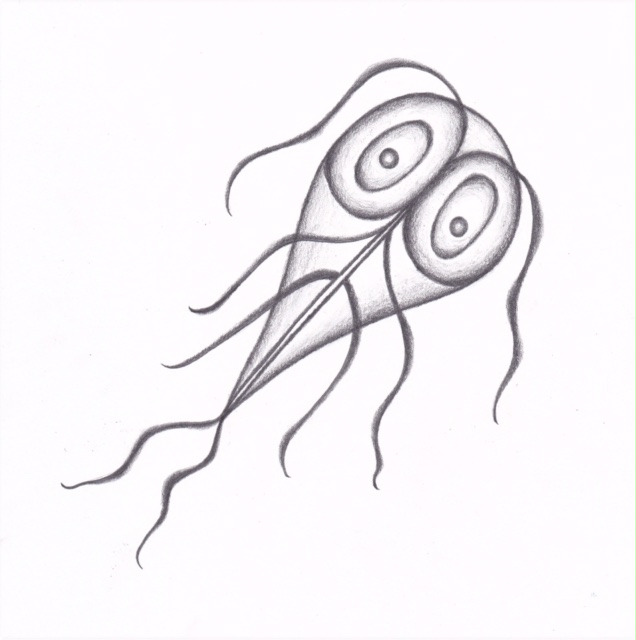
Irritable Bowel Syndrome & Giardia – A Q&A with Susan Koten

What was the inspiration behind your book?

Experiencing the trauma and desperation of my life being turned upside down with the sudden onset of IBS symptoms fifteen years ago, and the lack of help available. This experience stayed with me and when I started to see and treat patients in my clinical practice who were going through the same experience, I knew I would one day write a book about it and Irritable Bowel Syndrome & Giardia is the end result of all that experience.

What was the most challenging part of writing the book?

This is my first book and when I started the project 10 years ago, I had no idea the amount of work that lay ahead to finally get it published.  This book has the potential to change people’s lives for the better so it was important extreme care and research went into writing it. With a busy practice to run, I would often start writing at 10pm and finish at 2am – this has always been my quiet time and I could concentrate with no interruption.

What has been the most satisfying part of the writing process?

My aim is to pass my knowledge on to those who need it and as I delved deeper into the subject matter, to understand how and why the clinical observations and patterns of my patients were presenting themselves, I have found writing it down and putting all this information together in a manuscript, has allowed me to achieve this.

Did anything surprise you while writing IBS & Giardia?

About seven years ago I changed my treatment strategy to a more gentle approach and the results surprised and amazed me which is reflected in the book.

What sort of people would benefit most by reading your book?

This book is for anyone who is struggling with the health of their digestive system and other related disorders. It is also aimed at health professionals, both allopathic and alternative, who are treating these patients.  It is my hope that the information contained in this book, and the personal testimonies of my patients who were suffering with what is currently a chronic and untreatable diagnosis, (IBS), will bring hope and healing to those who are unwitting hosts to the Giardia parasite. Of course I appreciate this parasite is not responsible for all digestive issues but in my experience a Giardia infestation is very often overlooked as the cause of digestive problems and this then leads to misdiagnosis and a life of misery for those affected.

Posted on

Understanding BRCA: The breast cancer gene

BRCA (pronounced ‘bracka’) stands for BReast CAncer susceptibility gene. There are two BRCA genes – BRCA1 and BRCA2. These genes function as tumour suppressors, helping to prevent the formation of cancer. When either of these genes carries a mutation, a woman has a high risk of developing breast and ovarian cancer, and men with these mutations are also at increased risk of breast and prostate cancer. Mutations in these genes have also been associated with a small increased risk of several additional types of cancer.

At the age of 35, I was found to carry a harmful mutation in the second breast cancer (BRCA2) gene and statistics suggested that I had a 45-85% chance of developing breast cancer and a 10-30% risk of developing ovarian cancer during my lifetime, which is much higher than in the general population.

Finding out that you carry a BRCA mutation is hard, and if this happens to you, you will have a great many questions that you will feel desperate to find the answers to. I felt overwhelmed and scared of the future that lay ahead. I desperately wanted to connect with other women who were going through the same thing as me and to find answers to my many questions. I looked for a BRCA support group locally, but there were none. I also looked for a book but none seemed to offer what I was looking for. I was eager to meet with the consultants that I had been referred to, but this process takes time and it was frustrating waiting for these appointments. I hoped they would be able to answer all of my questions but, in reality, even the consultants didn’t have all the answers as we do not yet fully understand the BRCA genes and their impact.

I felt very frightened, alone and frustrated that there seemed to be so little help and support and I wanted this to change. I decided, therefore, that once I had come through my own journey, I would write a book with the aim of helping others.

This book aims to improve your understanding of BRCA gene mutations and the various ways in which a carrier can manage his/her mutation, including screening, risk-reducing surgery and chemoprevention, with reference to relevant research. In the last part of this book, I share with you my own personal journey of undergoing risk-reducing surgery, including the removal of my ovaries and fallopian tubes (known as a bilateral salpingo-oophorectomy, pronounced oo-for-ek-tuh-mee) and the removal of my breast tissue while retaining my nipples (known as a bilateral, nipple-sparing mastectomy).

I detail, openly and honestly, the emotions I felt before, during and after my surgeries, along with the physical experience of undergoing these operations and the surgically-induced menopause which follows the removal of both ovaries. I will share the effect, if any, that these operations have had on my body image, identity and sexual functioning.

This book aims to answer the many questions that I personally had, including those that you may feel are simply too uncomfortable to ask. I felt anxious about so many things but, having come through my own journey, I realise now that I needn’t have worried anywhere near as much as I did. I really wish I had known then what I know now; it would have spared me a lot of fear and anxiety.

If you have been found to carry a BRCA gene mutation, I hope that by sharing my journey with you, you will see for yourself that this journey, albeit very tough, may not be as terrifying and as insurmountable as you may be feeling right now. You will get through this – I did and you can too. And, while I appreciate you may not be feeling this way now, you may even be nicely surprised by the positive ways in which this journey may change you as a person.

I am an Advanced-level Human Biology teacher and have experience of teaching both GCSE and Advanced-level (A-level) Human Biology. I also have experience of medical writing and have drawn from both of these skills throughout the writing of this book. My desire to help others has inspired me not only to write this book, but also to set up a website to offer my support to women and men worldwide who have been found to carry, or who believe they may carry, a BRCA1 or BRCA2 gene mutation.


This blog was taken from Clarissa Foster’s new book Understanding BRCA: Living with the breast cancer gene is now available on the Hammersmith Health Books website.

Posted on

Why Diets Fail You

Nowhere is hope over experience more prevalent than in the world of the multimillion-dollar diet industry.

There is a growing amount of evidence suggesting that for many people going on a diet which restricts what you eat as a way of achieving enduring weight loss does not work and is not sustainable in either the mid or long term.

If restrictive or calorie-controlled diets worked, then by now one ‘super diet’ would have emerged and it would work for everyone, but this is definitely not the case. Hundreds of diet books are published every year and no doubt this trend will continue.

Any diet that encourages you to eat fewer calories, or to radically cut out whole food groups, in order to achieve weight loss is scientifically flawed. Denying yourself food to the point of going hungry convinces your subconscious mind that you are living in a time of food shortage or famine and passes messages to your body to hold onto its fat as your mind is not sure for how long the food shortage will continue. As you can imagine, this is counter-productive to good health as the body feels under stress.

If you have dieted in the past, and most people have, your mind will have a ‘memory’ of experiencing those periods of reduced food intake. Periods of self-induced calorie reduction where you experience hunger pangs are very difficult to maintain and are often the trigger for a stint of bingeing or excessive eating. This is what is meant by ‘yo-yo dieting’. Yo-yo dieting like this can negatively affect your metabolism, making it even harder in the future to regulate your weight. If you recognise you have a pattern of dieting and bingeing, then it is even more vital that when you commit to eating real food as part of nutritionally balanced meals that leave you satisfied, and that you do not go hungry, as this will quickly plunge your metabolism back into fat-storing mode.

A holistic, all-body approach to eating real food means that there is no advantage to going hungry or feeling deprived. This approach is diametrically opposed to the usual diet model. In How to Feel Differently about Food, we encourage a way of eating that promotes reassuring your mind that nutritious food is available to you and that your body is no longer under threat of impending food shortage. This reassurance enables habitual stress levels around food to be reduced and when the stress symptoms of emotional eating are reduced, your body reduces its production of cortisol – the stress hormone that can also inhibit weight loss. Feeling less stressed also ensures that the nourishment in the foods that are eaten becomes more ‘bio-available’ and advantageous. Later in the book we explain how stress shuts down many of the processes of digestion, leaving sufferers deprived of essential nutrition.

Our methodology promotes resetting your metabolism into fat-burning mode instead of fat-storing mode and this is achieved through selecting appetising and tasty foods that encourage satiety. In addition, this approach HOW TO FEEL DIFFERENTLY ABOUT FOOD 10 focuses on the effect of refined sugar as a key cause of weight gain. Sugar and simple carbohydrates are rapidly absorbed into your bloodstream and affect your body’s production of insulin. Rapid spikes in blood sugar cause insulin levels to rise and take sugar out of the bloodstream and into storage in the liver, muscles and (if they are full) fat cells; the high glucose level is therefore followed by a rapid drop in blood glucose levels. This in itself can be the cause of sugar cravings and the trigger for compulsive eating. The cumulative effect of eating in ways that spike insulin production eventually leads to what is called ‘insulin resistance’. This is a condition in which the cells of the body become unresponsive to increasingly high levels of insulin and this is a key predictor of diabetes.

The latest figures from the Centers for Disease Control (CDC, 2014) in the US show that almost 10 per cent of the US population has been diagnosed with diabetes. The equivalent figures from Diabetes UK (2015) show figures approaching 3.5 million in 2015 and all predictions expect these numbers to grow year upon year. In addition, many, many more people the world over have ‘pre-diabetes’ (also known as metabolic syndrome) and remain undiagnosed until their health deteriorates with associated serious health problems – heart, circulation, eyesight and kidney damage – that bring them to medical attention and the confirmation of type 2 diabetes. Going back to health risks associated with being overweight, the incidence of pre-diabetes and diabetes itself is higher in patients who are classed as obese.

There are two other important hormones found to affect a person’s ability to manage his/her weight. The first is called leptin. It is made by fat cells and works to decrease appetite. This can become unbalanced in response to insulin resistance caused by spikes in blood sugar levels. Leptin is responsible for sending messages to your brain that you’ve eaten enough and feel sated. When leptin’s signalling goes awry, the hormone stops being produced so the messages that you have eaten enough are no longer sent, which leads to an inability to determine satiety. This is called ‘leptin resistance’. Medical professionals are now focusing more on the part leptin plays in the development of obesity, and how the hormone responds may actually be the result of obesity.

The second key involved with appetite is called ghrelin and its job is to signal to you that you are hungry. It also influences how quickly you feel hungry again after eating. Ghrelin naturally increases before meal times and is then designed to reduce after eating for around three hours until it once more naturally increases to signal the need to eat again. However, this hormone too can become unbalanced and send hunger signals more frequently, encouraging a reduction in the time between meals or even promoting the habit of constant grazing on food. One way that ghrelin becomes out of balance is through stress, which disturbs sleep patterns. This can affect workers who work unnatural hours such as night shifts. Not getting enough sleep has been shown to increase levels of ghrelin and cause an increase in appetite.

In simple terms, the hormonal responses that help manage appetite and weight are like a house of cards that are all interdependent on each other to maximise your health, weight management and wellbeing. Although designed to be perfectly in balance, a key element that can cause the whole house of cards to collapse is the eating of sugar and simple carbohydrates. It doesn’t take long before sugar spikes begin to undermine the complex hormonal interactions.

The good news is that by reducing stress levels, improving sleep patterns and changing the types of food eaten it is possible to re-calibrate the hormones’ signals to the brain to promote a feeling of fullness and enhanced wellbeing. On the food front this is achieved by cutting out refined sugars, simple carbohydrates and processed foods and replacing them with real foods, including plenty of good fats, such as olive oil, oily fish and nuts that your body can naturally process.


This blog was taken from Sally Baker and Liz Hogon’s book How to Feel Differently About Food