Posted on

Trick and Treat: How healthy eating is making us ill

Trick and treat: how healthy eating is making us ill

Every year the amount of money the Chancellor gives to the UK’s National Health Service goes up and so do our taxes to provide for it. And every year we hear more and more complaints about falling levels of service, lengthening waiting times for treatment, and worsening levels of hospital-borne diseases. With the billions of pounds we pump into the NHS each year, have you ever wondered why we don’t get a better service? The reason seems to be because we do pump billions of pounds into the NHS every year. Continue reading Trick and Treat: How healthy eating is making us ill

Posted on

A gentle introduction to IBS for IBS Awareness Month

Irritable Bowel Syndrome

Irritable bowel syndrome (IBS) is an invisible, fluctuating disease and as such it is often difficult for family members, friends, colleagues, health service professionals, welfare insurance administrators and others who encounter people with the disease to understand the suffering of the individual.

People with IBS are often faced with troublesome and sometimes severe physical symptoms that in different ways obstruct or challenge their everyday life. The disease is by its nature potentially shameful. In our modern western society some of our most fundamental bodily functions, like flatulence and defecation, are considered to be private and nothing you would want others to know about. Hence, for many persons with IBS, sharing their illness experience does not come easily.

Among healthcare professionals, knowledge about IBS is quite often insufficient and it is regarded as a low-priority disease. Sometimes IBS patients find that their troubles are dismissed or belittled, for example, in healthcare encounters or by family members. Not being taken seriously – at home or by healthcare professionals – can be a devastating experience which affects self-image. For some people getting the diagnosis is affirming, providing a legitimate passport to the healthcare system. For others, however, being diagnosed means nothing but being a ‘closed-case’, and they feel left with insufficient information, advice and support. They find they have more questions than answers. In the jungle of potential self-management suggestions (available through various websites, blogs and chat forums) about what to eat, when to sleep or how to behave if you get urgent bowel movements and start to panic on the bus, it is easy to get confused. Being on your own, having to figure out how to live the rest of your life with an illness that won’t go away, and a disease for which there is no treatment or clear and certain ‘rules’ to follow but learning to know one’s own body and what works best, is not an easy task.

Literature about IBS has until now tended to be either too medically orientated, complex and difficult for lay people to understand, or to be like a pamphlet, too brief to be useful. Irritable Bowel Syndrome is therefore a very much welcomed contribution for all laypersons – people with IBS, family members, colleagues, neighbours and others who for some reason need to learn more about the disease, what life with IBS is about and what help is out there. The book offers a thorough explanation of the mechanisms and (as far as there is scientific evidence) likely causes of IBS, and of available pharmacological and non-pharmacological treatment options. It also portrays life with the illness from the perspective of those who live with the disease, and linked to this, a variety of self-care strategies are described. The book can of course be read as a whole, but it also forms a very useful reference book for certain aspects or topics of particular interest to the reader. I am certain that anyone who is interested in knowing more, or has specific questions, about IBS will find useful information and answers to their questions.

Cecilia Håkanson RN, PhD is a researcher and senior lecturer at the Palliative Research Centre and the Department of Health Care Sciences at Ersta Sköndal Bräcke University College, Stockholm, Sweden. She is also an affiliated researcher at Karolinska Institutet, Department of Neurobiology, Care Science and Society, in Stockholm, Sweden.

This extract is taken from Irritable Bowel Syndrome: Navigating your way to recovery By Dr Megan Arroll and Professor Christine Dancey

Posted on

Sleeping for Health

We love bed times. Nothing beats a good night’s sleep, but it isn’t always so easy to get one so we’ve put together some of our favourite sleep facts and tips from three of our health books. If you’re catching more AAAAAH!s than ZZZZZZs we hope this blog can help you find the sleep of your dreams.


Prepare to snooze or prepare to lose

Ensure that you don’t eat within three hours of bedtime – easy to say, possibly harder to do. I know many people who snack in front of the TV in the evenings. Watching TV late in the evening can interfere with your sleep patterns, and we need that surge of human growth hormone that occurs shortly after we fall into deep sleep. Reading, or meditation, to calm the mind prior to going to bed allows the body to go into sleep mode more naturally. Eating too close to bedtime also causes a surge in cortisol, the stress hormone that we know is bad for bones, so don’t fall into this trap. If you have trouble sleeping, try a camomile or valerian tea before bed. These herbs are non-addictive and have no adverse side effects.

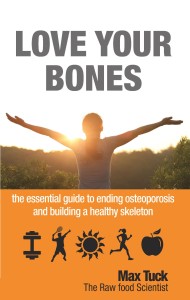
Love Your Bones: the essential guide to ending osteoporosis and building a healthy skeleton by Max Tuck


Food, water…sleep?

Humans evolved to sleep when it is dark and wake when it is light. Sleep is a form of hibernation when the body shuts down in order to repair damage done through use, to conserve energy and to hide from predators. The normal sleep pattern that evolved in hot climates is to sleep, keep warm and conserve energy during the cold nights and then to sleep again in the afternoons when it is too hot to work and to hide away from the midday sun. As humans migrated away from the Equator, the sleep pattern had to change with the seasons and as the lengths of the days changed.

After the First World War a strain of Spanish ‘flu swept through Europe killing 50 million people worldwide. Some people sustained neurological damage and for some this virus wiped out their sleep centre in the brain. This meant they were unable to sleep at all. All these unfortunate people were dead within two weeks and this was the first solid scientific evidence that sleep was as essential for life as food and water. Indeed, all living creatures require a regular ‘sleep’ (or period of quiescence) during which time healing and repair take place. You must put as much work into your sleep as your diet. Without a good night’s sleep on a regular basis all other interventions are undermined.

Prevent and Cure Diabetes: Delicious diets, not dangerous drugs by Sarah Myhill and Craig Robinson


Sleep and mental health

When sleep requirements are not being met on an ongoing basis, teenagers will present with fatigue, low energy, exhaustion, and a lack of motivation. It is generally recommended that teenagers get eight to 10 hours’ quality sleep a night. This is vital for the body to relax, repair and refuel. Lack of sleep has a domino effect and impedes mental and physical wellbeing, inviting the onset of self-defeatist syndrome. As I have said already, parents are advised to take their child to a GP to rule out any organic causes of fatigue. In instances where no organic cause is established it is highly likely that the Gremlin has moved in. The Gremlin loves and thrives on the darkness. It becomes alert and active, coming out to play its evil games at night when we are programmed to relax, unwind and fall into a peaceful slumber. The Gremlin is very powerful and demanding, wanting to keep us awake, bolstering and encouraging negative thinking, which leads to rumination, tossing and turning and feeling like our head is going to explode! Thoughts are negative, racing and exhausting. It is vital that teenagers who have been taken hostage by the Gremlin receive appropriate support and professional intervention so they may be facilitated in developing the tools and techniques needed to evict the Gremlin.

Overcoming Self-Harm and Suicidal Thoughts: a practical guide for the adolescent years by Liz Quish

Posted on

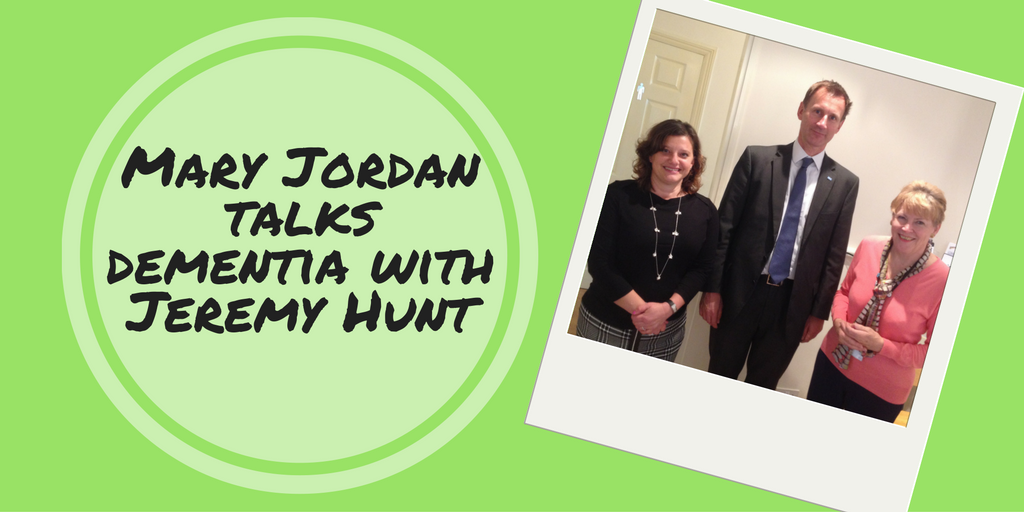
Discussing dementia with Jeremy Hunt, Secretary of State for Health

Since I began working with a national dementia charity nine years ago there have been many improvements to the level of support that people living with dementia (by which I mean both those with a diagnosis and their families and carers) receive. It is now rare for me to meet someone who has struggled for months to get a diagnosis. More GPs are aware of the signs and symptoms and people are more likely to be referred for memory assessment. When I met Jeremy Hunt he explained that he had been campaigning for earlier diagnosis knowing that this can make it easier for people to get the help and support they need. We discussed what still needed to be done for those affected by dementia.

It seems to me that the most important thing now is to get society in general to accept those with dementia and to keep them integrated in the company they know and enjoy. Day centres, Dementia cafés and other specialist services like musical memory groups all serve a useful function and are popular -until recently I ran a very well attended and popular dementia café myself – but our real aim should be to make it possible for people with dementia to continue to go to the social groups, clubs and events which were part of their life before diagnosis.

Some things are already being done. In many places, in Britain there is a huge campaign to make businesses, shops, and public areas ‘dementia friendly’.  The ‘Dementia friends’ campaign by Alzheimer’s Society has also had a big impact in terms of making people generally aware of the difficulties experienced by those with dementia trying to function in everyday life. These are all good initiatives. But acceptance is the key. The above initiatives make people aware of dementia and they may make people more willing to help when they see someone having difficulties but do they make people with dementia more accepted?

Dementia is a problem for all of society but this is still little recognised. Most public places are now ‘accessible’ in terms of physical disability with level paths, ramps for wheeled access, better signage, bigger parking spaces and so on. We should now consider making changes to improve accessibility for those with the cognitive disability. Such changes might include material factors such as better street signs, clear demarcation of different areas and well defined entrances and exits but they should also include the vital human factor. People with dementia need support from other humans. Assistive technology can be helpful in a limited way but social interaction is what slows the slide into helplessness. Just as the public have been educated to recognise the rights and needs of those with a physical disability, so the rights and needs of those with a cognitive disability need now to be addressed in our neighbourhoods and our public places and by all of us in our local communities.

Mary Jordan is an expert in dementia care and works for a national dementia charity. Her books The Essential Carer’s Guide to Dementia and The Essential Guide to Avoiding Dementia offer invaluable insights into the condition and how to care for those with the condition.

Posted on

UK Blog Awards 2017 Health & Fitness Mixer

library

Hammersmith Health Books are proud to be sponsoring the Health and Social Care category at the 2017 UK Blog Awards. Last week we threw an event with Action PR to celebrate our partnership with the UK Blog Awards and the fantastic entries to the brand new Sport and Fitness category. We met some very inspirational people who have chosen to share their health journeys through the medium of blogging. It was lovely to see new friendships form as people were able to put faces to those who they had previously only known by their blog names. It was also announced that the stunning Chessie King, who inspires her many Instagram followers with her sunny attitude and her dedication to health and fitness, will be hosting the UK Blog Awards.

In keeping with the theme of the Awards, which will be ‘blog heroes’, Action PR sourced an array of weird and wonderful fancy dress outfits. Throwing themselves into the spirit in true superhero style, the bloggers embraced the theme and posed for photos. With a giftcard up for grabs (generously donated by Active in Style), our very own Director Georgina Bentliff was tasked with judging the snaps and awarding the prize to the best one. The winner went to the delightful Patricia, whose battle with ME and record breaking rowing success was a truly humbling journey to follow, documented on her blog, Girl on the River.

The event was catered by the wonderful Mr Prempy’s, who provided raw vegan cakes, from chocolate ganache to beetroot and passion fruit. Bloggers and judges mingled, cake and prosecco in hand, with some feeling distinctly merry by the end of the evening. We went home armed with Action PR chocolate bars, healthy takes on traditional Mars and Snickers bars, full of raw cacao and other delicious ingredients.

Hopefully there weren’t too many sore heads the next morning! Thank you to Action PR for a wonderful mixer and a great opportunity to meet some fantastic bloggers and influencers in the health and fitness space.

Are you a #bloghero? Don’t forget to enter your blog the The UK Blog Awards 2017.

Posted on

UK Blog Awards for Health & Social Care

The UK Blog Awards 2016 are now open for nominations, and we’re hugely pleased to announce that Hammersmith Health Books will be sponsoring the Health & Social Care category.

We love the variety and quality of blogs on all aspects of health and caring in the UK, and the UK Blog Awards are a fantastic opportunity to give much needed recognition to the blogs that mean the most to their readers. We’re so excited to be involved!

Nominated blogs pass a public vote round before the final awards are decided by specialist judging panels for each category. This year, our founder and director Georgina Bentliff will be on the Health & Social Care judging panel.

All short listed blogs will gain exposure and reach new audiences, as well as having the chance to connect with more brands.

The UK Blog Awards were created in 2014 to recognise true viral style and creative excellence across 16 UK industries, as well as awarding two sub-categories: Best Storyteller and Most Innovative award. The awards are more than an event, but a digital outreach platform that connects blogs with brands. There will also be Blog of the Year Award, sponsored by Odeon, giving winners from each category the chance to win extra prestige in the blogging community.

We’ve also teamed up with Action PR to co-host a blogger event in London where hopeful award winners can learn more about what the judges will be looking for, and network with brands and other bloggers. There’ll be a selection of our books available for bloggers to take away and read on health issues from chronic fatigue to irritable bowel syndrome, dementia care to vegan food, and everything in between.

If you’d like to follow some of our authors’ blogs check out:

Max Tuck, The Raw Food Scientist, author of Love Your Bones and The Whole Body Solution

Martyn Hooper, Chair of the Pernicious Anaemia Society, author of Pernicious Anaemia – The Forgotten Disease, Living with Pernicious Anaemia, and What You Need to Know About Pernicious Anaemia

Jenna Farmer, A Balanced Belly, book on IBS and IBD coming soon.

Dr Megan Arroll, psychologist and author of Irritable Bowel Syndrome, Navigating Your Way to Health

For more info on the awards and how to enter click here, and browse all our health and social care titles here.

Posted on

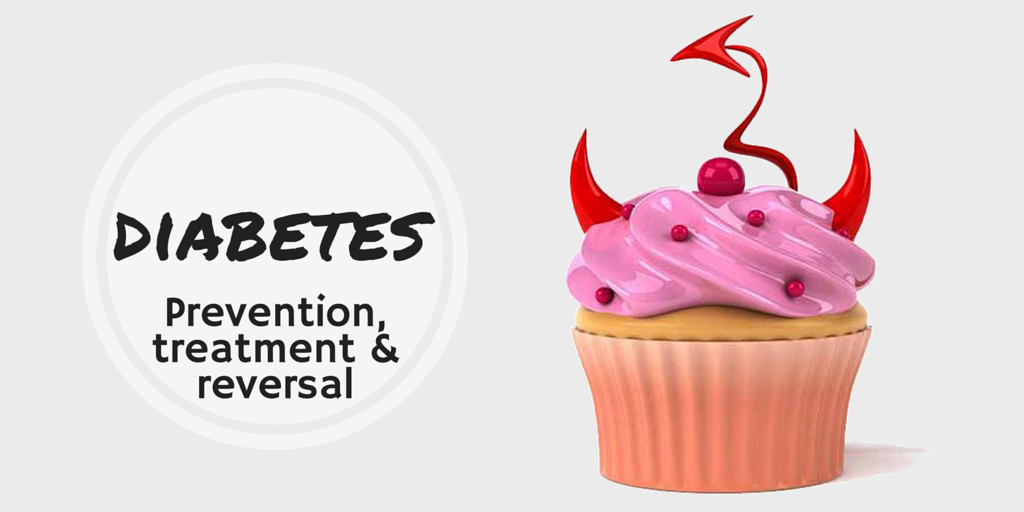
Prevent, reverse and treat diabetes and its precursor: metabolic syndrome

Most people with diabetes or metabolic syndrome conditions regard them as inevitable evils and agree to take the medicine – or inject the insulin – when the time comes. But it need not be that way. Sustainable medicine expert Dr Myhill explains in her new book steps anyone can take not only to prevent the onset of the disease, but to actually reverse and treat diabetes, and the condition that underlies it: metabolic syndrome.

Self help to prevent and treat diabetes

As Dr Myhill writes: ‘All medical therapies should start with diet. Modern Western diets are driving our modern epidemics of diabetes, heart disease, cancer and dementia; this process is called metabolic syndrome. In Prevent and Cure Diabetes: Delicious Diets, Not Dangerous Drugs I explain in detail why and how we have arrived at a situation where the real weapons of mass destruction can be found in our kitchens. Importantly, the book describes the vital steps every one of us can make to reverse the situation so that life can be lived to its full potential.’

To celebrate Dr Sarah Myhill’s latest book we want to share some of the key things you can do to help yourself prevent onset and treat diabetes. Looking after our own bodies is not just a cost effective and sustainable approach to health care, but a responsibility we have to ourselves and our loved ones. After all,

‘Prevention is better than cure.’

– Desiderius Erasmus (1466–1536)

  1. Keep your gut healthy and reduce the carbohydrate load from the gut by

    • eating a low glycaemic index (GI) diet;
    • avoiding a sugar rush;
    • including more fat in the diet;
    • eating more vegetable fibre.
  2. Improve your body’s ability to regulate blood sugar by

    • only eating carbohydrates at one meal a day (and no snacking) and going without starchy carbs for one day a week;
    • exercising;
    • taking nutritional supplements for essential micronutrients that are deficient in the diet.
    • avoiding particular prescription drugs that induce insulin resistance and metabolic syndrome.
    • detoxify the body from the outside too with regular hot showers, sauna-ing and/or Epsom salt baths.
  3. Ensure your thyroid and adrenal glands are healthy and functioning well.

  4. Prevent inflammation by doing all the above, ensuring good quality sleep, exercise, sunshine, and love and laughter.

  5. Adopt strategies that encourage fat burning, which is highly protective against too low blood sugar levels.

For more from Dr Myhill visit her website and read the first chapter for free before ordering your copy of Prevent and Cure Diabetes: Delicious Diets, Not Dangerous Drugs available in paperback and ebook.

Posted on

Give the gift of health this Mother’s Day

We love our mums. They spend all year looking after us, but how often do we go the extra mile to make them feel special? What better time than Mother’s Day to show our mums we care about them, and what better way of showing them than giving the gift of health. Our books help all kinds of people look after their own health and happiness, so we’ve put together our Top 3 Health Books for Mums…and we’re offering a 16% discount with code ‘HEALTHY16’.

Top 3 Health Books for Mums this Mother’s Day

Love Your Bones 9781781610718


Love Your Bones by Max Tuck from £4.99

Millions of women and increasing numbers of men worldwide are suffering the pain and debility associated with osteoporosis. For the 1 in 3 women over age 65 already affected by the disease, the cost in both financial and personal terms is astronomical. In this thought-provoking book, Max Tuck shows not only how we can prevent bone loss but also how we can rebuild bone density, giving detailed guidance on how to do this, including essential specific exercises. Based on proven science, the latest technological developments, a passion for nutritious food and her long experience as a Health Educator and Veterinary Surgeon, Max’’s comprehensive action plan will enable you to slash your fracture risk and improve your health, even into advanced age. With an easy to follow and entertaining writing style, she provides new hope and inspiration for a stronger and more vibrant future.


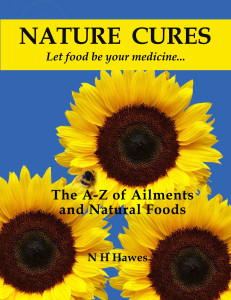
Nature Cures 9781781610398Nature Cures by Nat H Hawes from £14.99

Nat Hawes has spent more than 10 years researching and compiling this fascinating compendium of foods and their health-giving-properties. Her sources range from a lifetime of experience travelling abroad to research via libraries and university websites and include a vast range of scientific papers which she has analysed and summarised in everyday language. She reviews both the health problems that can be helped by nutritional interventions and the healing properties of the full spectrum of natural (as opposed to processed) foods and drinks. The book complements and is supported by Nat’s internationally popular website  www.naturecures.co.uk, which has been re-launched for the publication of Nature Cures and has received more than one million hits, and counting.


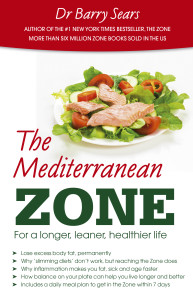
The Mediterranean ZoneThe Mediterranean Zone by Dr Barry Sears from £3.50

In The Mediterranean Zone, Dr Barry Sears, founder of The Zone Diet, shows you how to eat a delicious and sustainable diet that will: Stop weight gain and strip away ‘toxic’ fat; Free you from inflammation and hormonal chaos; Reverse diabetes and protect you from Alzheimer’s; Lighten your mood as well as your body; Allow you to break out of the diet-and-exercise trap for good! Incorporating the principles of the Zone diet and the fundamental benefits of the much-loved Mediterranean diet, the Mediterranean Zone offers an easy-to-follow guide to eating and living better, based on the latest scientific research.


Don’t forget to enter coupon code HEALTHY16 at checkout for 16% off all last minute Mother’s Day orders!

Posted on

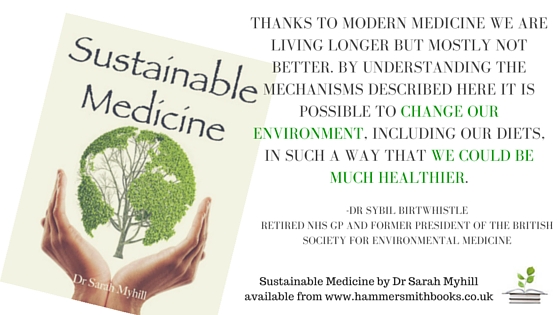
Dr Myhill’s book Sustainable Medicine reviewed

Sustainable Medicine by Dr Myhill

We’re very pleased to be able to share this review of Sustainable Medicine by Dr Myhill, sent in by retired NHS GP and former President of the British Society for Ecological Medicine Dr Sybil Birtwhistle:

“This is a practical book explaining how the body works, not the anatomy, but the invisible biochemicals which are keeping us alive and well. In spite of modern medicine, sometimes because of it, too many people, including young ones, are just not very well these days and really serious illnesses are more and more common at all ages. It is these not absolutely new but much more frequent illnesses, such as allergies, cancers, heart diseases and chronic fatigue that respond to the techniques described here. Thanks to modern medicine we are living longer but mostly not better. By understanding the mechanisms described here it is possible to begin to change our environment, including our diets, in such a way that we could be much healthier.

“This is explained carefully and clearly with lots of links and references for more detail. Even patients who initially knew next to nothing about this should be able to understand enough about the possibilities for staying well, or making their discomforts go away, rather than having to suppress their symptoms with drugs for ever. If only more patients could understand how much of our own behaviour is responsible for our ill health some of the current problems for the NHS would surely diminish.

“The book is written mainly for patients but I suggest doctors look first at the case histories in Chapter 5. They will surely be impressed by such outcomes and I hope some will want to learn how to do it.”

Sybil Birtwistle


Preview the first chapter for free and buy Sustainable Medicine by Dr Myhill as ebook or paperback from £4.50.

Posted on

Eat, drink and be merry: a recipe for…health?

The enforced closeness of the holiday season can have an all-too-familiar downside. Some of the most wrenching fall-outs among nearest and dearest tend to occur over Christmas and the New Year.

But, before you think about escaping the mandatory get-togethers and making yourself permanently unavailable to family and friends, think about this – they may just be keeping you alive.

This is the opinion of the authors of a paradigm-shifting new book on the importance of closeness and communication to human health and wellbeing. According to Garner Thomson and Khalid Khan, authors of Magic in Practice – Introducing Medical NLP, the Art and Science of Language in Healing and Health, a strong connection with both family and friends is a better predictor of health and longevity than doing all the ‘right’ things, such as quitting smoking, eating your five a day, and getting plenty of sleep.

They point to a landmark study, started in the 1940s, and still the subject of intensive research.

Scientists were intrigued by strikingly low rates of myocardial infarction reported from the little Pennsylvanian town of Roseto, where they expected to find a fit, tobacco- and alcohol-free community enjoying all the benefits of clean-living. When they arrived, they found as many smokers, drinkers and couch potatoes as in the rest of the country, where heart disease was on the rise.

The difference between Roseto and other similar towns, the researchers discovered, was a particularly cohesive social structure.

“The inhabitants of the little town were unique in the experience of the scientists who were drawn there,” says Garner Thomson. “They could be described as ‘barn-raisers’ – which is to say if someone’s barn burned down, everybody in the town turned out to rebuild it. Somehow, the closeness Rosetans enjoyed inoculated them against cardiac and other problems

“Clearly this premise had to be tested – and time was the only true test. The scientists reasoned that if the society changed, became less cohesive and more like its neighbouring towns and cities, the effect would eventually disappear.

“Sadly, as the community became steadily more ‘Americanised’, this proved to be true.”

The 50-year longitudinal study, published in 1992, categorically established that social support and connectedness had provided a powerfully salutogenic (health-promoting) effect on the heart.[1]

Nor was this a random fluctuation affecting a small, isolated community, the authors say.

A number of studies have since confirmed that host resistance to a wide range of illnesses is affected by the social context in which you live and the support you feel you receive. A recent study of 2,264 women diagnosed with breast cancer concluded that those without strong social bonds were up to 61% more likely to die within three years of diagnosis.

According to Dr Candyce Kroenke, lead researcher at the Kaiser Permanente Research Centre, California, the risk of death equals well-established risk factors, including smoking and alcohol consumption, and exceeds the influence of other risk factors such as physical inactivity and obesity.[2]

At least two major studies have suggested that loneliness can double the risk of elderly people developing Alzheimer-like diseases.

“What is particularly interesting about these studies is the suggestion that it is feelings of loneliness, rather than social isolation itself, that may cause the corrosive effects of dementia and other problems,” Thomson says. [3],[4]

Key factors in social integration have been identified as having someone to confide in, help with financial issues and offer practical support, such as baby-sitting, when you need it, and with whom you can discuss problems and share solutions.[5] “These are what we call ‘3 am friends,” says Thomson, “people we can call for support at any hour, no matter how early, and know they will always have time for us.”

So, before you decide to celebrate the holiday season away from Aunty Elsie and Uncle Edward, think very carefully about the possible consequences. Some of the other established benefits of social support and connectedness include: extended lifespan (double that of people with low social ties)[6]; improved recovery from heart attack (three times better for those with high social ties)[7]; reduced progression from HIV to Aids [8] and, even protection from the common cold.[9]

Magic in Practice – Introducing Medical NLP, the Art and Science of Language in Healing and Health is available as paperback or eBook from £6.99. Enter coupon code Xmas15 at checkout for a 15% discount on your basket.


[1] Egolf B, Lasker J, Wolf S, Potvin L (1992) The Roseto effect: a 50-year comparison of mortality rates. American Journal of Public Health 82 (8): 1089–92.
[2] Kaiser Permanente, news release, Nov. 9, 2012.

[3] Wilson RS et.al. (2007) Loneliness and Risk of Alzheimer Disease. Arch Gen Psychiatry, 64(2): 234-240.

[4][4] Holwerda TJ et al. (2012) Feelings of loneliness, but not social isolation, predict dementia onset: results from the Amsterdam Study of the Elderly (AMSTEL). J Neurol Neurosurg Psychiatry: http://www.ncbi.nlm.nih.gov/pubmed/23232034.

[5] Anderson NB, Anderson PE (2003) Emotional Longevity. New York: Viking Penguin.

[6] House JS, Robbins C, Metzner HL (1982) The association of social relationships and activities with mortality: prospective evidence from the Tecumseh Community Health Study. American Journal of Epidemiology 116: 123–40.

[7] Berkman LF, Leo-Summers L, Horwitz RI (1992) Emotional support and survival following myocardial infarction: a prospective, population-based study of the elderly. Annals of Internal Medicine 117: 1003–9.

[8] Leserman J et al (2000) Impact of stressful life events, depression, social support, coping and cortisol. American Journal of Psychiatry 157: 1221–28.

[9] Cohen S et al (1997) Social ties and susceptibility to the common cold. Journal of the American Medical Association 277: 1940–4.