Posted on

Eating the rainbow part 2: The health benefits of the nutrients that colour foods

health-benefits-of-the-nurtients-that-colour-food

The following list of nutrients in foods, that produce their colours, is by no means complete as more are being discovered all the time.  However, it provides the reader with some reasons why the consumption of colourful foods is vital for ultimate health.

Anthocyanins (blue to black)
Anthocyanins are a water-soluble bioflavonoid pigment and the colour will depend on the pH of the solution they are in. They are red when the pH is below three (highly acid), blue at pH ghihger than 11 (very alkali) and violet a neutral pH 7.
Bioflavoniods have been found to help slow down age-related motor changes, such as those seen in Alzheimer’s or Parkinson’s disease, prevent the oxidisation of certain compounds and fight attacks on the body from harmful chemicals.
They also increase vitamin C levels within cells, decrease the breakage of small blood vessels, protect against free-radical damage and help prevent destruction of collagen by helping the collagen fibres link together in a way that strengthens the connective tissue matrix. They also reduce blood glucose levels and improve insulin sensitivity due to the reduction of retinol-binding-protein-4 so are useful in preventing diabetes and can help with treating obesity.

Anthoxanthins (cream and white)
Anthoxanthins are water-soluble pigments which range from white or colourless to a creamy yellow and red, often in the petals of flowers. These pigments are generally whiter in an acid medium and yellower in an alkaline medium. Consuming foods rich in anthoxanthins has been found to reduce stroke risk, promote heart health, prevent cancer and reduce inflammation.

  • Those undergoing treatment for complex corneal diseases, whose underlying eye health condition is caused or aggravated by inflammation, might find increased symptom relief by including more anthoxanthin-rich foods in their diets.

Astaxanthin (red)
Astaxanthin is the most powerful antioxidant to man and is capable of crossing the blood/brain barrier to protect the brain cells from free radicals. It also increases the activity of the liver enzymes that detoxify carcinogens and stimulates and enhances the immune system.

Betalains (orange and yellow and blue to black)
Betalains are found in the petals of flowers, but may colour the fruits, leaves, stems and roots of plants that contain them. Betalains are aromatic indole derivatives synthesised from the amino acid (building block of proteins) tyrosine. There are two categories, Betacyanins (red to violet) and Betaxanthins (yellow to orange). Betalains provide a higher antioxidant value than most other vegetables containing beta-carotene and have anti-inflammatory anti-cancer and detoxifying properties and support the making of red blood cells.

Health benefits of betaxanthins

  • Stop the spread of cancerous tumours
  • Prevent diseases of liver, kidney and pancreas
  • Help reduce ulcers in the stomach
  • Strengthen the lungs and immune system
  • Improve vision and are good for treating eye redness
  • Reduce pain after intense physical training and also menstrual pain
  • Eliminate hard stools and prevent constipation
  • Positively affect the colon
  • Regulate high blood pressure
  • Eliminate bad breath
  • Help to treat acne and create healthy skin.

Health benefits of betaxanthins

  • Can cross the blood-brain, eye and spinal barriers to help arrest free-radical damage in cell membranes, mitochondria and DNA
  • Enhance immune cell strength and antibody activity
  • Improve gastrointestinal health
  • Improve cognitive function
  • Help to maintain peak performance in athletes
  • Protect the heart.

Carotenoids (deep green, yellow, orange and red)
The carotenoids are a group of more than 700 fat-soluble nutrients. Many are proving to be very important for health. They are categorised as either xanthophylls or carotenes according to their chemical composition. These compounds have the ability to inhibit the growth of many pre-cancerous tumours.

  • Carotenoids act as antioxidants. Alphacarotene, betacarotene and cryptoxanthin are types of carotenoids, and the body can convert all of these to vitamin A which helps keep the immune system working properly and it is needed for eye health.
  • Other types of carotenoids are lutein and zeaxanthin and, when consumed regularly, protect the retina from damage caused by the sun’s harmful UV rays and high-energy visible light. Lutein and zeaxanthin can also reduce the risk of cataracts later in life.
  • These antioxidants also have the ability to protect cells and other structures in the body from the harmful effects of free radicals.
  • Lutein can also help to reduce the risk of breast cancer and heart disease and supports healthy skin, tissue, blood and the immune system.
  • Lycopene is the bright red carotenoid that is found in fruits and vegetables. Consuming lycopene regularly helps to reduce the risk of heart disease and stroke, cancers of the prostate, stomach, lungs and breast, and osteoporosis, and protects LDL cholesterol from oxidation, which prevents heart disease.

Chalcones (yellow), Chlorophyll (green), Curcumin (yellow), and Flavins (pale-yellow and green fluorescent) are further nutrients founds in foods that produce their colours. For more information on these nutrients, you can purchase the book here.

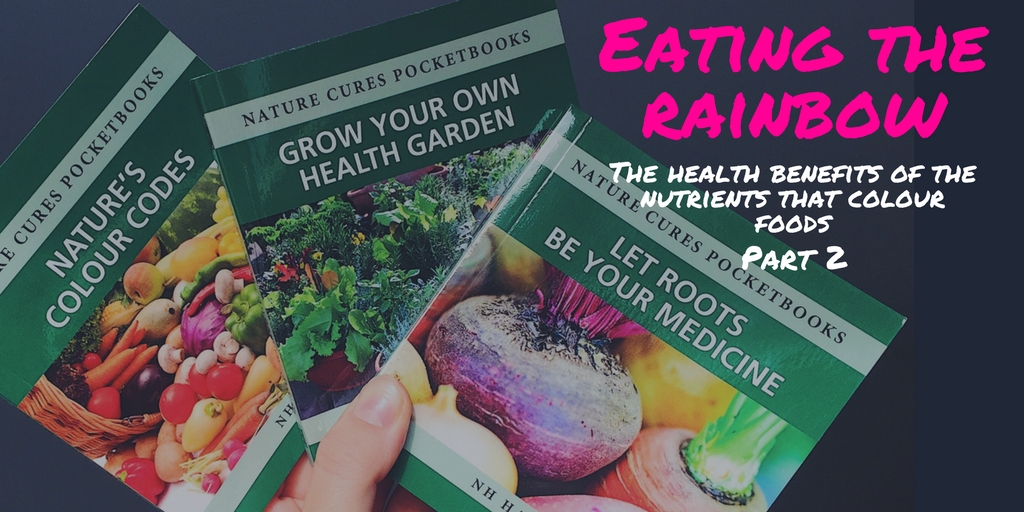
This extract was taken from “Nature’s Colour Codes” from the Nature Cures pocketbook series by Nat H Hawes.


Posted on

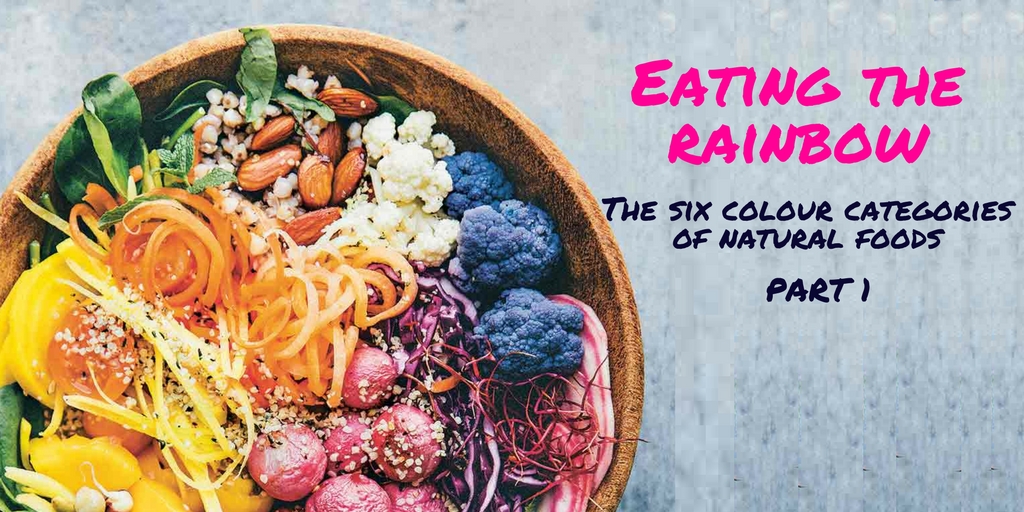
Eating the rainbow part 1: The six colour categories of natural foods

eat-the-rainbow

Why we should “eat the rainbow”
Nature’s colours give strong clues about the nutrient content of foods which we should not ignore. For instance; beetroots are rich in betacyanins and iron which gives them their deep red colour and provides the essential ingredients for optimum health. Iron is essential to the production of red bloods cells that carry vital oxygen to all parts of the body and betacyanins have a whole host of amazing health benefits.
Some vegetables contain more than one colour. For instance, spring onions have green leaves and white roots. This means there are the nutrients associated with both these colours present so the whole of the plant should be eaten and will provide the nutrients listed for green and white below. The same goes for beetroot and beetroot leaves and turnips and their leaves.
Some vegetables, fruits and nuts contain different healthy nutrients in both their flesh and skins so both should be consumed. Apples, aubergines, potatoes and sweet potatoes are examples. Orange, lime and lemon peel has powerful antioxidant properties and can help to protect the brain and heart and therefore should be included in the diet. Skins should only ever be discarded if they are completely inedible, such as those of bananas, watermelons or pumpkins.
The colour of foods can also indicate the ripeness, which again has an impact on the nutritional content. For instance, green unripe bananas are richer in resistant starch and fibre than ripened yellow bananas while Japanese scientists have found that a fully ripe banana produces a substance called tumour necrosis factor (TNF). This compound has the ability to combat abnormal cells and protect against cancer. They discovered that as the banana ripens and develops dark brown and black spots and patches on its skin, the concentration of TNF increases. They say that the degree of anti-cancer effect corresponds to the degree of ripeness of the fruit.

The six colour categories of natural foods
Choose at least one small serving of each of the following six colour categories each day if you can. Make two of them fruit and four of them vegetables and at least one should be a leafy green.
• Green
• Orange/yellow
• Red
• Black/blue/purple/violet
• Cream/white
• Brown/gold

1. Green
Chlorophyll and carotenoids give the green pigment found in: apples, alfalfa, algae, artichoke (globe), ashitaba, asparagus, avocado, bell peppers, broad beans, broccoli, Brussel sprouts, cabbage, celery, chilli peppers, chives, chlorella, cress, courgettes, grapes, olives, herb leaves, kale, kiwi fruit, lettuce, lime and peel, mung beans, okra, peas, pumpkin seeds, rhubarb, rocket, runner beans, seaweed, spinach, spirulina, spring onions, watercress, winged beans and sprouted seeds, grains, nuts and legumes,

2. Orange and yellow
Curcumin gives turmeric its yellow colour and anthoxanthins, betaxanthins, carotenoids and/or chalcones give the yellow and orange colours found in: apricots, bell peppers, butternut squash, carrots, chick peas, chilli peppers, corn, ginger, lemons, lentils, mango, oranges, papaya, peaches, pineapple, prickly pear, pumpkin, swede, sweet potato, tangerines, turmeric, the peel of yellow and orange citrus fruits and whole grains.

3. Red
Anthoxanthins, betacyanins, carotenoids and/or lycopene provide the red pigment in: apples, asparagus, bell peppers, cabbage (red), cherries, chilli peppers, cranberries, goji berries, grapefruit (pink), grapes (red and black), guava, oranges (blood), pears (red), mung beans, persimmons, pinto beans, prickly pear, radishes, raspberries, rhubarb, red chokeberry, kidney beans, onions (red), pomegranates, rose hips, saw palmetto berries, strawberries, sumac, Swiss chard, tomatoes and watermelon.
Astaxanthin causes the pink/red colour in seafood, such as lobster, prawns, salmon and shrimp. The highest concentration is found in red krill oil. (Note that in farmed salmon the pink colour is produced by feeding them with lab-produced astaxanthin as they would otherwise be grey).

4. Black blue, purple and violet
Anthocyanins and betacyanins (never together) give the blue to black colours and are often most concentrated in the skins and/or stems of food crops such as: acai berry, purple aubergine, beetroot, bilberries, black bananas, black beans, blackberries, black chokeberry, blackcurrants, black tea, blueberries, broccoli (purple variety), cherries, chokeberries, cranberries, dates, elderberry, figs, black grapes, black olives, kidney beans, maqui berries, mulberries, onions (red), navy beans, plums, poppy seeds, potatoes (red-skinned), prickly pear, prunes, purple broccoli tops, radishes, raisins, sweet potato (skins), Swiss chard and winged beans.

5. Cream and white
Anthoxsnthins give the cream and white colours found in: white aubergines, just-ripe bananas, Brazil nuts, butter beans, cauliflower, celery, chestnuts, coconut, garlic, Jerusalem artichoke, leeks, macadamia nuts, mung beans, mushrooms, navy beans, onions, parsnip, peanuts, pecans, pine nuts, pistachios, potatoes, radishes, soya beans, spring onions and turnips.

6. Brown and gold
Brown and golden foots can contain a variety of the above pigment nutrients. Examples include: brown rice, cocoa beans, dates, mushrooms, nuts, potato skins, seeds and whole grains.

This extract was taken “Nature’s Colour Codes” from the Nature Cures pocketbook series by Nat H Hawes.

Posted on

Inflammatory Bowel Disease: The invisible illness

Inflammatory-Bowel-Disease-The-Invisible-Illness

What is inflammatory bowel disease?

Inflammatory bowel disease (IBD) is an umbrella term for diseases which cause either whole or part of the digestive tract to become sore and inflamed. It commonly starts in younger people aged 10 to 40, although younger and older people may be affected too. The two most common types of IBD are Crohn’s disease (CD) and ulcerative colitis (UC); the symptoms for both can be similar but with some distinguishing characteristics. In the 19th and 20th Centuries prevalence of IBD increased with industrialisation and the highest rates in the world are still in developed countries such as the UK, Canada, the USA and Western Europe – although cases are now increasing in China and India.
Crohn’s disease may affect the whole digestive tract from your mouth to your anus; ulcerative colitis affects only the colon. Crohn’s disease can be more serious as it not only affects the lining of the gut but can also extend deeper into the wall of the bowel and this sometimes results in severe complications. Both can be extremely painful and debilitating, leading to weight loss and fatigue, and have a great impact on your quality of life, affecting your ability to digest food and absorb nutrients from it, as well as the frequent trips to the toilet.

Why is IBD increasing?

Studies in the UK have found that the number of children affected by IBD has risen by 15%; in Scotland the number of childhood cases has risen by 76% since 1995, according to research by the University of Edinburgh. Experts are also worried because the average age of onset of symptoms is now much earlier in childhood rather than late teens/early 20s because, as I said before, the symptoms are more severe in childhood.
Although scientists have identified a genetic basis for IBD by pinpointing many different genes, especially the variants in a gene called NOD2 in Crohn’s disease – and a positive family history remains the strongest risk factor for IBD4 – genes are clearly not the whole story. Experts refer to IBD ‘as a complex genetic disorder that is influenced by environmental risk factors’. Certain genes may give you a susceptibility to IBD, but the prevailing theory is that IBD is caused by a combination of genes and exposure to environmental risk factors. It’s the interaction between these environmental risk factors and your normal (nonharmful) gut flora that is believed to lead to an increased immune response which results in chronic inflammation.

What are the symptoms of Crohn’s disease compared to ulcerative colitis?

The short answer is that many of the symptoms overlap (around 10% of IBD sufferers have a mixture of both and this is called indeterminate colitis). There are some key distinguishing characteristics your doctors will be able to tease out – see the table below.

Ulcerative colitis (just affects the colon) Crohn’s disease (can affect the whole gut)
Bloody diarrhoea and colicky abdominal pain, usually before passing a stool Abdominal pain and diarrhoea (sometimes with blood, pus or mucus). Pain is caused when food or faeces build up after eating in an area of the intestine damaged/ narrowed by inflammation
Some of or the whole colon is inflamed/ ulcerated, but other parts of the gut are usually unaffected Patches of the gut are inflamed and ulcers may develop but there are sections that are unaffected. It mainly affects the terminal ileum (the last part of the small intestine). Sometimes Crohn’s only affects the colon
Only affects the lining of the gut Inflammation may be confined to the bowel wall but can sometimes cause deep ulcers which also penetrate deeper through the muscle layers of the bowel wall causing fistulas (an abnormal connection between one area of the body and another). Often these are around the anus. Other complications include scarring and narrowing of the intestines, sometimes leading to blockages
Inflammation is usually continuous from the rectum Inflammation often skips segments of bowel which appear normal
 
Weight loss from inflammation

Weight loss from inflammation and reduced absorption
Tiredness and fatigue (anaemia is common) Tiredness and severe fatigue (anaemia and other deficiencies occur)
Feeling feverish Sometimes fever and night sweats can be caused by abscesses or collections of inflammation
Inflammation can involve the joints, skin, liver and eyes and cause mouth ulcers Inflammatory symptoms are similar to those of UC and may spread to other parts of the body causing mouth ulcers, red eyes, painful joints and rashes

Sources: Core charity and Crohn’s & Colitis UK

More about Crohn’s disease

Crohn’s disease affects around one in 1,000 people and in about one in five cases if you have Crohn’s disease you will have a family member who is also affected.

As discussed in the table above, Crohn’s disease may affect any part of the gut but most commonly causes inflammation in one particular area called the terminal ileum – this is the last section of the small intestine. The first part of the colon, called the caecum and the next, the ascending colon, are often involved. In many people only the colon is affected. Inflammation sometimes skips a segment of gut which is normal, rather than being continuous. Only a few people with Crohn’s will have involvement of the stomach or the upper intestine.
Mild forms of Crohn’s result in patches of inflammation – these look similar to mouth ulcers. In moderate to severe cases the intestine is damaged, and becomes thickened so it blocks the passage of digested food, causing cramp-like pain. Deep ulcers can also penetrate the bowel wall causing infection or even an abscess; this often happens around the anus. It is called a fistula when an inflammatory connection goes through the skin surface, the vagina, the bladder or another part of the bowel. When inflamed tissue heals, scar tissue may form, posing a further risk of blockages in the bowel.

More about ulcerative colitis

Ulcerative colitis is the medical name for when tiny ulcers form on the surface of the lining of the large intestine. It mainly affects the rectum and lower colon, but may affect the whole of the colon. It’s more common than Crohn’s disease, affecting an estimated one in 420 people. It seems to be more common in white people of European descent, particularly among Ashkenazi Jews who originated from Eastern Europe and Russia. It affects non-smokers and ex-smokers more than smokers, although doctors say the risks of smoking still far outweigh the possible benefits so do not take this as a licence to smoke! Men and women are affected by UC in equal numbers.

There are three types of ulcerative colitis:

  • Proctitis. This is where only the rectum is inflamed. Fresh blood in the stools is the main symptom, plus an urgent need for the loo (‘urgency’) and perhaps a feeling that you have not completely emptied your bowels. You may have normal stools, diarrhoea or constipation.
  • Left sided. This is inflammation that starts at the rectum and continues up the left side of the large intestine (the sigmoid and descending colon). Symptoms include passing diarrhoea with blood and pain on the left side of the abdomen, plus an urge to pass a stool even when your bowel is empty.
  • Total colitis. This is sometimes called pan colitis and is when the entire colon is affected to some extent. It causes very frequent bouts of diarrhoea, severe painful stomach cramps, weight loss and often fever and generalised illness.

This extract was taken from What’s Up with your Gut? By Jo Waters and Professor Julian Waters


Posted on

The Urban Caveman: Winter Warmer Recipe

Paleo-winter-recipe

Looking for ways to stay healthy this winter? Extracted from “The Urban Caveman” by Eve Gilmore, these two paleo-inspired recipes will undoubtedly be the perfect fix for a cold winter’s night.

Slow-cooked winter warmer
Ingredients:
Serves 6-8

  • 3kg/3lb brisket or silverside joint
  • Himalayan salt
  • 1 ½ tsp cayenne pepper
  • 2 tbs coconut oil or goose fat
  • 50g/2oz steaky bacon, diced
  • 2 cloves garlic, finely chopped
  • 2 onions, chopped
  • 2 large carrots, chopped
  • 1 stalk celery, chopped
  • 1 small celeriac, peeled and diced
  • 275ml/ ½ pint hot beef stock
  • 1 x 400g tin chopped tomatoes
  • 2 bay leaves
  • 2 tbs freshly chopped parsley

Method:
Pre-heat your slow cooker to High.
Place the beef on a chopping board and make several slashes over the surface, but don’t cut the butcher’s string.
Season with salt and dust with cayenne pepper on both sides.
Heat the oil and brown the beef with the bacon.
Transfer to the slow cooker, turning to Low.
Next, fry the garlic, onion, carrot, celery and celeriac in the same pan for a few minutes.
Add the stock, chopped tomatoes and bay leaves.
Bring to the boil and reduce the stock by about a third.
Transfer to the crock pot and cook on Low for six to seven hours.
Cut the meat into slices to serve.
Garnish with parsley and serve with cauliflower cheese.
Winter warmer stewed apples
This is good for gut health and for soothing an inflamed digestive system.
Ingredients:
Serves 4-6

  • 6 cooking apples, diced
  • 2 tsp ground cinnamon
  • A little sweetener of choice
  • A little water
  • Urban Caveman coconut yoghurt, to serve

Method:
Add all the ingredients except the yoghurt to a saucepan and stew until the apples are softened.
Serve warm with the yoghurt.

This extract was taken from “The Urban Caveman” by Eve Gilmore.


Posted on

Prevent and Cure Diabetes – The blood-sugar roller coaster

The blood-sugar rollercoaster

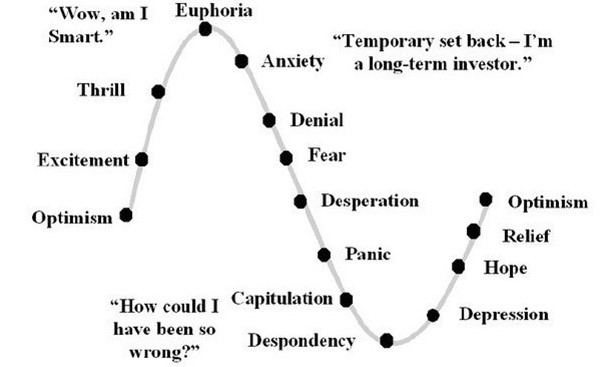
Sugar is extremely damaging to the body for many reasons. It is damaging to the body in high levels, it is damaging to the body in low levels, and the swinging of levels between the two is additionally damaging because of the hormonal response to those rapid changes. I call this the blood-sugar rollercoaster – it is often described as a ‘hypoglycaemic tendency’ (‘hypo’ meaning ‘below’, from the Greek) – but it is the whole rollercoaster that causes metabolic havoc – not just the dips. If we constantly eat carbohydrate foods, this is a rollercoaster which just keeps on going, and along with the metabolic havoc, there are associated mood swings which mirror the ride. These emotions are very similar to those documented by Barry Ritholtz, in his financial writings on the rollercoaster ride experienced by investors in risky stocks. People who are regularly feeling these emotions, and in particular are experiencing them cyclically, are most likely already on the blood-sugar rollercoaster: Returning to the medical case in point, in metabolic syndrome and diabetes any or all of the following problems can result. In each case, a description of the problem is followed by symptoms and diseases that may result from that problem, thereby giving clues as to whether this may be an issue in a particular individual.

The financial rollercoaster ride

The blood-sugar rollercoaster

The blood-sugar rollercoaster, as I explained earlier, is my name for the process of rapidly rising levels of blood sugar prompting a release of insulin and the ‘happy’ brain neurotransmitters followed by rapidly falling levels of blood sugar causing a release of adrenaline. This combined effect switches on addiction. Wobbly blood sugar levels are highly damaging because of their hormonal effects. These hormonal effects I suspect relate to the rate at which levels of sugar rise and fall in the bloodstream. As we lose control of our blood sugar, then eating a high-carbohydrate snack or meal will cause blood sugar levels to spike, and as blood sugar levels make this rapid rise there is an outpouring of insulin in order to protect the body from this dangerous (but addictive) sugar spike. Insulin brings the blood sugar level down by shunting it into fat. However, if this occurs quickly, then blood sugar levels fall precipitously and that results in an outpouring of adrenaline. Adrenaline is responsible for all the symptoms that we call ‘hypoglycaemia’.

Hypoglycaemia comes from the Greek words ‘hypo’ meaning low, ‘gly’ meaning sugar and ‘aemia’ meaning blood, and hence has a literal meaning of ‘low sugar blood’.

However, the term hypoglycaemia I suspect is a misnomer that relates to at least two issues. Firstly, adrenaline is released in response to poor fuel delivery (lack of sugar and/or ketones in the bloodstream). This means that, in the keto-adapted, the adrenaline symptoms do not arise because these people can switch into fat burning mode. Secondly, in those who cannot make this switch, it is not just the absolute level of blood sugar that causes the symptoms but also the rate of change; this means that often people who complain of hypoglycaemia wil d their blood sugar level is normal from a ‘snapshot’ blood-sugar test result. What they need is a ‘video’ of their blood sugar level changing over time to make the diagnosis. Consequences of the rollercoaster spikes in insulin and adrenaline include the following:

a.) High levels of insulin put us into a metabolic state of laying down fat, and prevent fat burning – this is the major problem of
metabolic inflexibility. It is almost impossible to lose weight when insulin levels are high. Furthermore this effect can be sustained for hours.

b.) High levels of adrenaline make us anxious, irritable and sleepless. This adrenaline release is a major cause of high blood pressure. Indeed, it astonishes me that doctors appear completely unaware of this link so that hypertension is described as ‘essential’ (of unknown cause) or ‘idiopathic’ (again, of unknown cause). They may accurately describe it as due to ‘stress’, but fail to realise the cause of this stress is actually nutritional stress due to loss of control of blood sugar levels.

Sugar has immediate effects on the brain, by various mechanisms, and this is partly responsible for why sugar is so addictive. For people who have lost control of their blood sugar, in the very short term, a carbohydrate rush, or ‘hit’, will have a calming effect which allows them to concentrate. Inspector Morse used the carbohydrate hit of a pint of beer to solve his murder mysteries – but ended up diabetic and died prematurely. Falstaff too found that alcohol had an inspirational effect.

‘It ascends me into the brain, dries me there all the foolish and dull and crudy vapours which environ it, makes it apprehensive, quick, forgetive, full of nimble, fiery, and delectable shapes, which delivered o’er to the voice, the tongue, which is the birth, becomes excellent wit.’  Act IV scene iii of Henry IV, Part 2 William Shakespeare (1564–1616)

Any parent will report how their child’s behaviour changes abruptly with a sugar hit and, much more noticeably, when blood sugar dives and they become irritable and moody. My daughters were often tired and irritable when they came in from school – it was not until supper that their normal good humour and energy were restored.

Problems with sugar – hyperglycaemia

Symptoms of blood sugar rising rapidly (due to the sugar hit and insulin) Diseases of blood sugar rising rapidly (due to the sugar hit and insulin)
Brain function improves – better concentration, feel calm, relief from depression.
Satiety
Triglycerides in the blood are high as insulin shunts excessive sugar into fat. 
Obesity and Inability to lose weight. (It is important to recognise that obesity is not the cause of diabetes but may be a symptom of metabolic syndrome – indeed, many people with normal weight have metabolic syndrome and diabetes.)

Problems with sugar – the rollercoaster

Symptoms of blood sugar falling rapidly (due to adrenaline release) Diseases of blood sugar falling rapidly (due to adrenaline release)
Acute anxiety and low mood.
Panic attacks.
Insomnia.
Shaking.
Palpitations.
Fearfulness.
Hunger and intense desire to eat.
Weakness.
High blood pressure.
 
Chronic high blood pressure.
Premenstrual tension.
Chronic anxiety.
Depression.
Eating disorders (anorexia and bulimia). Obsessive compulsive disorders.
Increased tendency to addiction – caffeine, chocolate, nicotine, cannabis, ‘social highs’, gambling, sexual perversions, exercise.

You will again see the similarities between the mood changes here and those noted by Barry Ritholtz in his financial writings on the rollercoaster ride experienced by investors in risky stocks.

This extract was taken from Prevent and Cure Diabetes: Delicious Diets, Not Dangerous Drugs by Dr Sarah Myhill.

Posted on

The reasons behind Male Anorexia

The reasons behind male anorexia

Although the risk of anorexia nervosa is higher in females, boys and men are not immune. Interestingly, atypical eating disorders, such as ‘selective eating’ (very limited food choices) are more common in boys than girls before puberty. These are often related to developmental disorders, such as autism spectrum disorders, or to severe anxiety. However, very few of these eating problems develop into anorexia nervosa after puberty.

About 10% of people with anorexia known to health services are male. On the other hand, large community-based epidemiological studies have recently shown that as many as 30% of participants reporting a lifetime history of anorexia were male, but only a minority sought treatment. Eating disorders are associated with women and this may be an impediment to seeking treatment for men. John Prescott’s disclosure of his bulimia could be a typical example of this situation.

However, even if as many as 30% of sufferers were male, the imbalance towards the female sex is most extreme amongst psychiatric disorders. Interestingly, there is some evidence that homosexuality/bisexuality is a specific risk factor for eating disorders (particularly bulimia) in males. According to a recent study, attending a gay recreational group is significantly related to eating disorder prevalence in gay and bisexual men. The reason for the higher prevalence in non-heterosexual males is unknown at present. In some cases, the drive for weight loss may be an expression of the rejection of male sexuality, such as in men with gender identity disorders.

The motivation for initial weight loss is usually different for men than for women. Preoccupation with a muscular but ‘fat-free’ body is more common, sometimes resulting in excessive exercise and steroid abuse. This is consistent with male sexual attractiveness, but paradoxically, these strategies damage normal sexual functioning. Biologically, abnormally low weight does not allow muscle building, not just because of lack of nutrients, but also because testosterone levels fall during starvation. The low testosterone does not just affect libido and sexual performance, but also the body’s ability to build muscles. Steroids illicitly used for muscle building also interfere with normal sex hormone production, and can be harmful in the long run.

Illicit substance misuse has also been associated with anorexia in males, for a number of reasons. Firstly, amphetamines, heroin and cocaine all reduce appetite. Secondly, some underlying personality traits may present a risk for both conditions.

Research on anorexia in boys and men is limited. This is mainly because only a small proportion of clinic populations are male, so it is very difficult to recruit sufficient numbers of male participants into studies. Furthermore, the majority of research studies concerning anorexia nervosa exclude male patients from recruitment or the analysis in an attempt to keep the methodology simple. The Minnesota Semi-Starvation study, which will be discussed later, included only male participants. Hence, this study has provided invaluable information about the consequences of self-induced starvation in males.

Medical complications are more common in men than women during starvation. However, a recent study in Sweden showed that the long-term recovery rate of men hospitalised for anorexia was good. The same research group has also shown that the outcome of eating disorders in females has improved in Sweden (in contrast to many other countries). These findings may be true only for the Swedish populations, due to the effective screening programmes and early intervention in this country’s highly developed and equitable healthcare system. Finnish researchers also found better outcome for males in terms of weight restoration, but additional psychological problems were common.


This extract was taken from Anorexia Nervosa by Dr Agnes Ayton.

Posted on

Psoriasis: Natural Remedies

Natural remedies for Psoriasis

Psoriasis is a chronic skin disorder that affects 1% to 3% of the world’s population. It is characterised by periodic flare-ups of well-defined red patches covered by a silvery, flaky scale on the skin and the scalp. There are several variations of psoriasis, but the most common type is chronic plaque psoriasis. The exact cause is unknown, but it is believed that a combination of several factors contributes to the development of this disease. In a normally functioning immune system, white blood cells produce antibodies to foreign invaders such as bacteria and viruses. These white blood cells also produce chemicals that aid in healing and fighting infective agents. With psoriasis, though, special white blood cells called T-cells become overactive; they attack the skin and set off a cascade of events that make the skin cells multiply so fast they start to stack up on the surface of the skin. Normal skin cells form, mature and then are sloughed off every 30 days, but in plaque psoriasis the skin goes through this whole process in three to six days.

DAMAGE
Sometimes an injury to the skin can cause the formation of a psoriasis patch. This is known as the Koebner phenomenon, and it can occur in other skin diseases, such as eczema and lichen planus. It can take two to six weeks for a psoriasis lesion to develop after an injury. Types of damage that can trigger a flare include: abrasion – even mild abrasions; increased friction from clothing or skin rubbing against skin in folds, such as armpits or under breasts; sunburn; viral rashes; drug rashes and weather damage.

DIET
Alcohol, sugar, coffee, fatty meats, refined processed foods, additives and deficiencies in minerals and phytonutrients can induce attacks of psoriasis.

DRUGS THAT CAN INDUCE OR WORSEN PSORIASIS

  • Chloroquine – used to treat or prevent malaria.
  • ACE inhibitors – angiotens in converting enzyme inhibitors, used to treat high blood pressure. Examples include fosinopril, captopril, and lisinopril.
  • Beta-blockers – used to treat high blood pressure. Examples include metoprolol tartrate (Lopressor) and atenolol (Tenormin).
  • Lithium – used to treat bipolar disorder.
  • Indocin – an anti-inflammatory medication used to treat a variety of conditions, including gout and arthritis.

INFECTIONS
Infections caused by bacteria or viruses can cause a psoriasis flare. Streptococcal infections that cause tonsillitis, or strep throat, tooth abscesses, cellulitis, and impetigo, can cause a flare of guttate psoriasis in children. The human immunodeficiency virus (HIV) does not increase the frequency of psoriasis, but it does increase the severity of the disease.

PSYCHOLOGICAL STRESS
This has long been understood as a trigger for psoriasis flares, but scientists are still unclear about exactly how this occurs. Studies do show that not only can a sudden, stressful event trigger a rash to worsen; the daily struggles of life can also trigger a flare. In addition, one study showed that people who were categorised as ‘high worriers’ were almost two times less likely to respond to treatment compared to ‘low worriers’.

WEATHER
Weather is a strong factor in triggering psoriasis. Exposure to direct sunlight, which usually occurs in the warmer months, often improves the rash. On the other hand, cold, short days seen in the winter months can trigger the rash to worsen.

NATURE CURES FOR PSORIASIS
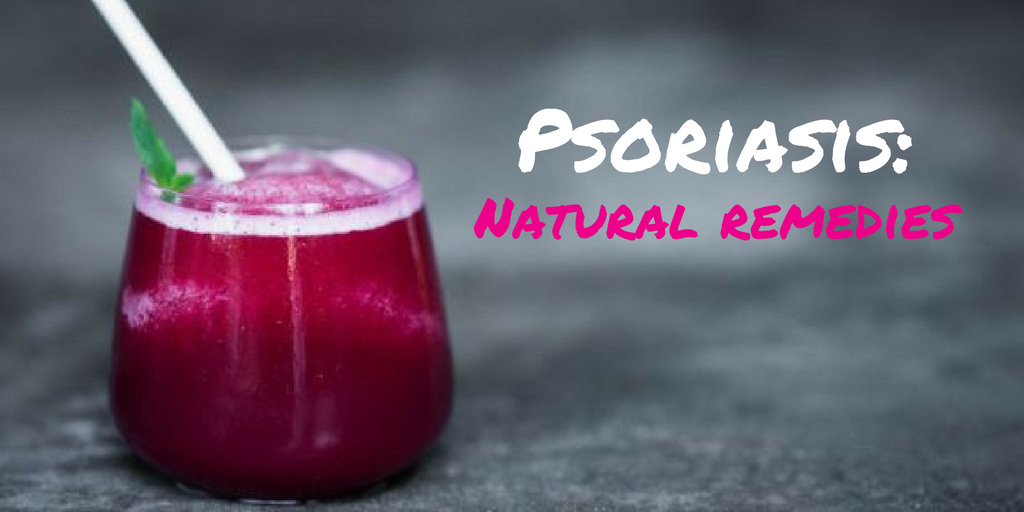
Raw juice therapy can effectively improve psoriasis. The best organic natural foods to juice are: apricot, beetroot, carrot, celery, cucumber, grapes, lemon, spinach and tomato.

EXTERNAL REMEDIES FOR PSORIASIS
The following can be used as external remedies for psoriasis: burdock root, Chinese rhubarb root, egg white (beaten to fluffy stage), mango, oats, parsley, pine needle tea bath and tamanu oil.


This extract was taken from Nature Cures by Nat Hawes. Check out her website at http://www.naturecures.co.uk/about.html

Posted on

Pumpkin Power: Your Halloween Health Kick

Pumpkin Recipes

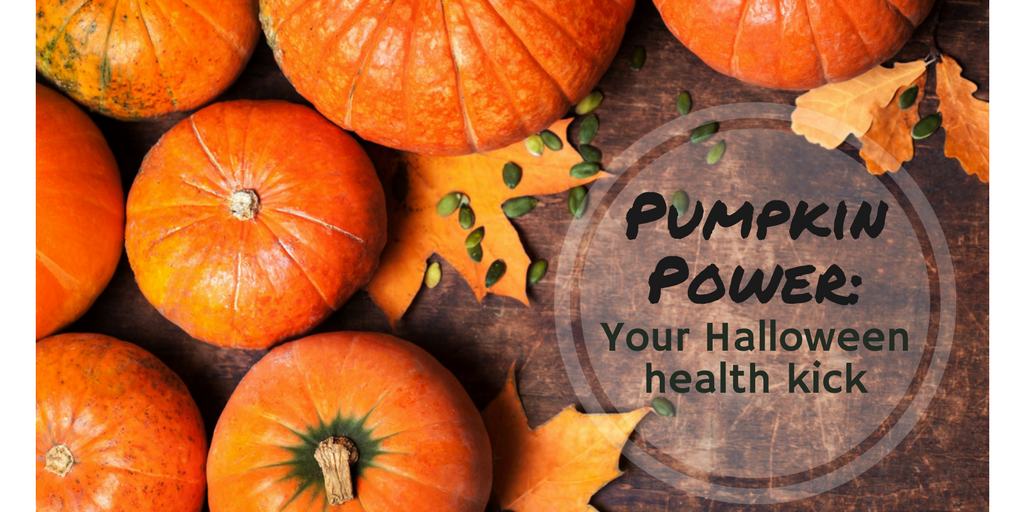
It’s the one and only time of year where we see hundreds of pumpkins lining supermarket shelves and garden paths, often with a rather wicked smile grinning back at you. But don’t be fooled, they’re actually one of the greatest superfoods out there. Pumpkin seeds are one of the best plant-based sources of zinc, which works wonders for the human body by improving the immune system, preventing osteoporosis and reducing cholesterol. Pumpkin seeds are also a fantastic source of protein, fibre and magnesium. They help with weight loss, relaxation and increased fertility in both men and women, and their high levels of L-tryptophan make them an effective mood booster – particularly useful as the cold weather sets in!

Extracted from her book, Love Your Bones, Max Tuck provides two delicious recipes to help you make the most of this Halloween superfood:


Pumpkin seed pesto

In this recipe pumpkin seeds replace the traditional pine nuts that can be so very expensive. For optimum nutrition and digestibility it is important to soak the pumpkin seeds for a few hours beforehand.

  • In a food processor mix all of the following to a smooth paste:

½ cup soaked pumpkin seeds

¼ cup water

The juice of ½ lemon

Optional: splashes of tamari or Bragg’s Liquid Aminos to taste

A medium clove of garlic

¼ cup of cold-pressed olive oil


  • Separately, chop a medium-sized bunch of fresh basil leaves very finely. Stir them into the pumpkin seed mixture or pulse for a second.
  • Serve the pesto stirred into pasta, preferably into ‘courgette pasta’ made from thin shavings of courgette cut with a potato peeler.


Pumpkin seed and walnut loaf

2 cups pumpkin seeds, soaked for six to eight hours

2 cups walnuts, soaked overnight

1 cup carrot, chopped

1 cup red pepper, deseeded and chopped

1 cup onion, diced

1 cup parsley, chopped

1 cup dried mushrooms

2 cloves garlic, crushed

1 tablespoon raw tahini (optional)

Sprig of parsley to garnish


  • Process the pumpkin seeds, walnuts and carrot in a food processor until smooth. Remove and place in a bowl.
  • Pulse the remaining ingredients except the parsley together in a food processor until they are of a chunky consistency. Place in the bowl with the pumpkin seed mixture and combine thoroughly.
  • Place on a serving dish and mould into the desired shape. Garnish with parsley.


These recipes were taken from Love Your Bones by Max Tuck.


Posted on

The ‘D’ Word: Rethinking Dementia

When the brain is affected by dementia, logical thinking and reasoning ability are affected quite early on. However, the amygdala – the part of the brain that is the integrative centre for emotions, emotional behaviour, and motivation – is less affected. People with dementia (PwD) who have trouble processing logic and reasoning do not have a similar problem with their ability to feel emotion. Indeed, as far as research can show, people with dementia still feel happy, sad, afraid and so on, even after they can no longer speak or recognise people they know well, even when they need total support to live their lives. It seems, though, that most people – including many well-meaning carers – are unable to adjust their own behaviour and thinking to accommodate the continuance of emotional experience, along with the decrease in reasoning ability of the person they care for.

If someone has a broken leg we do not assume that they could walk on it ‘if they tried’. We do not suggest that they listen very carefully whilst we explain how to walk. We do not try to divert their attention so that they can walk without thinking. No. Instead we set the broken bone and maintain it in position with support (a leg-plaster). We allow them to rest the leg. We give them a crutch to aid movement and we accept that walking will be slow and difficult until the leg is healed. Similarly, if someone has part of their brain which is not functioning we should make allowances. We should try to keep the parts of the brain that do function in as good order as possible – by encouraging social interaction, physical exercise and general health. We should allow the brain to ‘rest’ when it needs to by not demanding actions which are no longer essential. We should supply a ‘crutch’ using memory aids, providing unobtrusive help and support. We accept that everything cannot be as it once was because this brain is not what it once was.

It is important, though, that society should recognise the relative importance of the emotions which come to predominate when logical thought and thought processing are deteriorating. Society in general does not much like domination by the emotions. ‘Civilised’ people should learn to control emotion and apply logic and reason to manage their everyday life, it is thought. But what if we can no longer use our logic and reasoning to help us come to terms with emotions? Suppose we are unable to understand and work out why we feel sad or happy? Imagine if we feel these emotions overwhelmingly, but we are unable to deal with them by a change of scene, by talking through our feelings, by taking actions to alleviate the misery or express the happiness. Imagine being no longer able to speak coherently enough to tell anyone how frightened you feel or how angry. What might you do? How might you try to express yourself? Perhaps you would try to hide somewhere, or to run away and escape. Or you might shout and get angry. Perhaps if no one made any effort to understand, you might try to use physical methods to show them how you feel.

This blog is taken from The ‘D’ Word: Rethinking Dementia by Mary Jordan and Dr Noel Collins

Posted on

The PK Cookbook: PK bread recipe

PK Cookbook

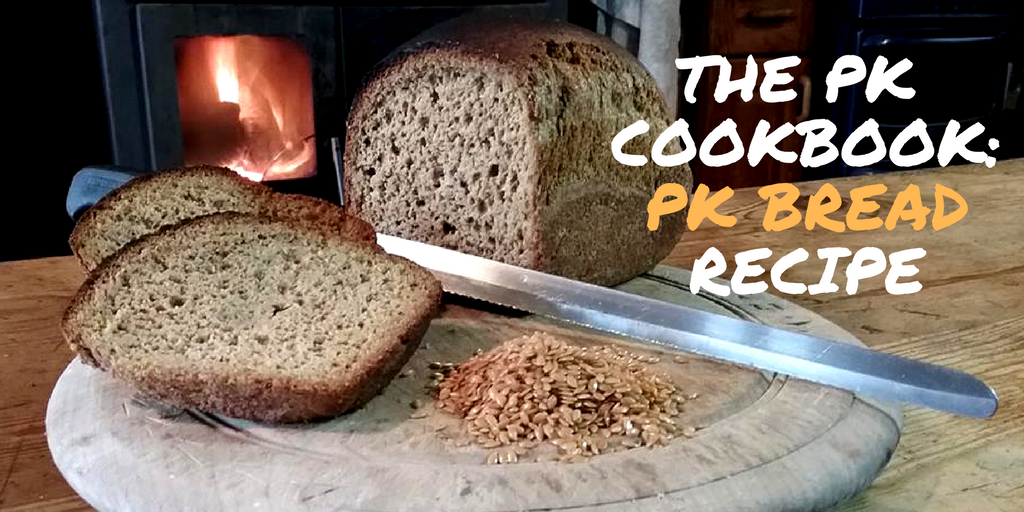
The single biggest reason for lapsing from the PK diet (Paleo-ketogenic) is the absence of bread. To secure the diet for life you must first make PK bread. I have searched and nothing is currently available commercially which passes muster. Loaves will become available as demand builds, but in the meantime you have to make your own bread. If you do not have the energy to do this yourself but have any friends or family offering to help you, then top of the list must be, ‘Please make my daily bread’. PK bread consists of just linseed, sunshine salt (see Chapter 13, page 93) and water.  Americans, and others, may be more familiar with linseed being referred to as flax or flaxseed or common flax. There is technically a subtle difference – flax is grown as a fibre plant that is used for linen.  Linseed is grown for its seed. The flax plant is taller than linseed and is ‘pulled’ by hand, or nowadays by machine.

How to make a PK bread loaf in five minutes

Please forgive the tiresome detail, but you must succeed with your first loaf because then you will be encouraged to carry on. I can now put this recipe together in five minutes (proper minutes that is – not the ‘and this is what I did earlier’ TV version). I have spent the last six months making a loaf almost every morning – there have been many revisions and the version below is the current recipe which I think is perfect!

Equipment needed:

  • Cooking oven that gets to at least 220 degrees Centigrade
  • Weighing scales
  • Nutribullet (or similarly effective grinding machine – do not attempt to do this with a pestle and mortar; I know – I have tried and failed)
  • Mixing bowl
  • A 500 gram (or one pound in weight) loaf baking tin
  • Measuring jug
  • Cup in which to weigh the linseed
  • Wooden spoon
  • Wire rack for cooling
  • Paper towels

Ingredients needed:

  • 250 grams of whole linseed (use dark or golden linseed grains)
  • One teaspoon of sunshine salt (can be purchased from www.sales@drmyhill.co.uk) or unrefined sea salt
  • Dollop of coconut oil or lard
Actions Notes
Take 250 grams of whole linseed You could purchase linseed in 250 gram packs and that saves weighing it. Use dark or golden linseed grains – the golden grains produce a brown loaf, the dark a black one.Do not use commercially ground linseed – the grinding is not fine enough, also it will have absorbed some water already and this stops it sticking together in the recipe.If you purchase linseed in bulk then you must weigh it really accurately in order to get the proportion of water spot on.
No raising agent is required.
Pour half the linseed into the Nutribullet/grinder together with one rounded teaspoon of PK ‘Sunshine’ salt (see page 93).
Grind into a fine flour.
Use the flat blade to get the finest flour.Grind until the machine starts to groan and sweat with the effort! You need a really fine flour to make a good loaf. This takes about 30 seconds.The finer you can grind the flour the better it sticks together and the better the loaf.I do this in two batches of 125 grams or the blades ‘hollow out’ the mix so that half does not circulate and grind fully.
Pour the ground flour into a mixing bowl.
Repeat the above with the second half of the seeds and add to the mixing bowl. Whilst this is grinding, measure the water you need.
Add in exactly 270 ml water (not a typo – 270 it is). Chuck it all in at once; do not dribble it in.Stir it with a wooden spoon and keep stirring. It will thicken over the course of 30 seconds.Keep stirring until it becomes sticky and holds together in a lump. The amount of water is critical. When it comes to cooking, I am a natural chucker in of ingredients and hope for the best. But in this case, you must measure.Initially it will look as if you have added far too much water, but keep stirring.
Use your fingers to scoop up a dollop of coconut oil or lard. Use this to grease the baking tin. Your hands will be covered in fat which means you can pick up your sticky dough without it sticking to your hands
Use your hands to shape the dough until it has a smooth surface.
Drop it into the greased baking tin
Spend about 30 seconds doing this. Do not be tempted to knead or fold the loaf or you introduce layers of fat which stop it sticking to itself. This helps prevent the loaf cracking as it rises and cooks (although I have to say it does not matter two hoots if it does. It just looks more professional if it does not!)
Let the loaf ‘rest’ for a few minutes …so it fully absorbs all the water and becomes an integral whole. This is not critical but allows enough time to…
…rub any excess fat into your skin, where it will be absorbed There is no need to wash your hands after doing this – the basis for most hand creams is coconut oil or lard. (Yes, lard. It amuses me that rendered animal fat is a major export from our local knacker man to the cosmetic industry.)
Put the loaf into the hot oven – at least 220°C (430°F) – for 60 minutes Set a timer or you will forget – I always do!I do not think the temperature is too critical – but it must be hot enough to turn the water in the loaf into steam because this is what raises it. I cook on a wood-fired stove and the oven temperature is tricky to be precise with. That does not seem to matter so long as it is really hot. Indeed, I like the flavour of a slightly scorched crust.
Wipe out the mixing bowl with a paper towel. This cleaning method is quick and easy. The slightly greasy surface which remains will be ideal for the next loaf. The point here is that fat cannot be fermented by bacteria or yeast and does not need washing off mixing and cooking utensils. My frying pan has not been washed for over 60 years. I know this because my mother never washed it either.
When the timer goes off, take the loaf out of the oven, tip it out and allow it to cool on a wire rack.
Once cool keep it in a plastic bag in the fridge.
It lasts a week kept like this and freezes well too.It is best used sliced thinly with a narrow-bladed serrated knife.

Fry your freshly made PK bread in coconut oil or lard and add the following for a delicious PK breakfast;

  • 2-3 boiled eggs
  • Smoked fish, tinned fish, tinned cod’s roe
  • Paté or rillette
  • Nut butter
  • Vegan cheese (check the carb content of this) and tomato
  • Coyo yoghurt

This blog was taken from Sarah Myhill and Craig Robinson’s new book The PK Cookbook