Posted on

Inflammatory Bowel Disease: The invisible illness

Inflammatory-Bowel-Disease-The-Invisible-Illness

What is inflammatory bowel disease?

Inflammatory bowel disease (IBD) is an umbrella term for diseases which cause either whole or part of the digestive tract to become sore and inflamed. It commonly starts in younger people aged 10 to 40, although younger and older people may be affected too. The two most common types of IBD are Crohn’s disease (CD) and ulcerative colitis (UC); the symptoms for both can be similar but with some distinguishing characteristics. In the 19th and 20th Centuries prevalence of IBD increased with industrialisation and the highest rates in the world are still in developed countries such as the UK, Canada, the USA and Western Europe – although cases are now increasing in China and India.
Crohn’s disease may affect the whole digestive tract from your mouth to your anus; ulcerative colitis affects only the colon. Crohn’s disease can be more serious as it not only affects the lining of the gut but can also extend deeper into the wall of the bowel and this sometimes results in severe complications. Both can be extremely painful and debilitating, leading to weight loss and fatigue, and have a great impact on your quality of life, affecting your ability to digest food and absorb nutrients from it, as well as the frequent trips to the toilet.

Why is IBD increasing?

Studies in the UK have found that the number of children affected by IBD has risen by 15%; in Scotland the number of childhood cases has risen by 76% since 1995, according to research by the University of Edinburgh. Experts are also worried because the average age of onset of symptoms is now much earlier in childhood rather than late teens/early 20s because, as I said before, the symptoms are more severe in childhood.
Although scientists have identified a genetic basis for IBD by pinpointing many different genes, especially the variants in a gene called NOD2 in Crohn’s disease – and a positive family history remains the strongest risk factor for IBD4 – genes are clearly not the whole story. Experts refer to IBD ‘as a complex genetic disorder that is influenced by environmental risk factors’. Certain genes may give you a susceptibility to IBD, but the prevailing theory is that IBD is caused by a combination of genes and exposure to environmental risk factors. It’s the interaction between these environmental risk factors and your normal (nonharmful) gut flora that is believed to lead to an increased immune response which results in chronic inflammation.

What are the symptoms of Crohn’s disease compared to ulcerative colitis?

The short answer is that many of the symptoms overlap (around 10% of IBD sufferers have a mixture of both and this is called indeterminate colitis). There are some key distinguishing characteristics your doctors will be able to tease out – see the table below.

Ulcerative colitis (just affects the colon) Crohn’s disease (can affect the whole gut)
Bloody diarrhoea and colicky abdominal pain, usually before passing a stool Abdominal pain and diarrhoea (sometimes with blood, pus or mucus). Pain is caused when food or faeces build up after eating in an area of the intestine damaged/ narrowed by inflammation
Some of or the whole colon is inflamed/ ulcerated, but other parts of the gut are usually unaffected Patches of the gut are inflamed and ulcers may develop but there are sections that are unaffected. It mainly affects the terminal ileum (the last part of the small intestine). Sometimes Crohn’s only affects the colon
Only affects the lining of the gut Inflammation may be confined to the bowel wall but can sometimes cause deep ulcers which also penetrate deeper through the muscle layers of the bowel wall causing fistulas (an abnormal connection between one area of the body and another). Often these are around the anus. Other complications include scarring and narrowing of the intestines, sometimes leading to blockages
Inflammation is usually continuous from the rectum Inflammation often skips segments of bowel which appear normal
 
Weight loss from inflammation

Weight loss from inflammation and reduced absorption
Tiredness and fatigue (anaemia is common) Tiredness and severe fatigue (anaemia and other deficiencies occur)
Feeling feverish Sometimes fever and night sweats can be caused by abscesses or collections of inflammation
Inflammation can involve the joints, skin, liver and eyes and cause mouth ulcers Inflammatory symptoms are similar to those of UC and may spread to other parts of the body causing mouth ulcers, red eyes, painful joints and rashes

Sources: Core charity and Crohn’s & Colitis UK

More about Crohn’s disease

Crohn’s disease affects around one in 1,000 people and in about one in five cases if you have Crohn’s disease you will have a family member who is also affected.

As discussed in the table above, Crohn’s disease may affect any part of the gut but most commonly causes inflammation in one particular area called the terminal ileum – this is the last section of the small intestine. The first part of the colon, called the caecum and the next, the ascending colon, are often involved. In many people only the colon is affected. Inflammation sometimes skips a segment of gut which is normal, rather than being continuous. Only a few people with Crohn’s will have involvement of the stomach or the upper intestine.
Mild forms of Crohn’s result in patches of inflammation – these look similar to mouth ulcers. In moderate to severe cases the intestine is damaged, and becomes thickened so it blocks the passage of digested food, causing cramp-like pain. Deep ulcers can also penetrate the bowel wall causing infection or even an abscess; this often happens around the anus. It is called a fistula when an inflammatory connection goes through the skin surface, the vagina, the bladder or another part of the bowel. When inflamed tissue heals, scar tissue may form, posing a further risk of blockages in the bowel.

More about ulcerative colitis

Ulcerative colitis is the medical name for when tiny ulcers form on the surface of the lining of the large intestine. It mainly affects the rectum and lower colon, but may affect the whole of the colon. It’s more common than Crohn’s disease, affecting an estimated one in 420 people. It seems to be more common in white people of European descent, particularly among Ashkenazi Jews who originated from Eastern Europe and Russia. It affects non-smokers and ex-smokers more than smokers, although doctors say the risks of smoking still far outweigh the possible benefits so do not take this as a licence to smoke! Men and women are affected by UC in equal numbers.

There are three types of ulcerative colitis:

  • Proctitis. This is where only the rectum is inflamed. Fresh blood in the stools is the main symptom, plus an urgent need for the loo (‘urgency’) and perhaps a feeling that you have not completely emptied your bowels. You may have normal stools, diarrhoea or constipation.
  • Left sided. This is inflammation that starts at the rectum and continues up the left side of the large intestine (the sigmoid and descending colon). Symptoms include passing diarrhoea with blood and pain on the left side of the abdomen, plus an urge to pass a stool even when your bowel is empty.
  • Total colitis. This is sometimes called pan colitis and is when the entire colon is affected to some extent. It causes very frequent bouts of diarrhoea, severe painful stomach cramps, weight loss and often fever and generalised illness.

This extract was taken from What’s Up with your Gut? By Jo Waters and Professor Julian Waters


Posted on

Prevent and Cure Diabetes – The blood-sugar roller coaster

The blood-sugar rollercoaster

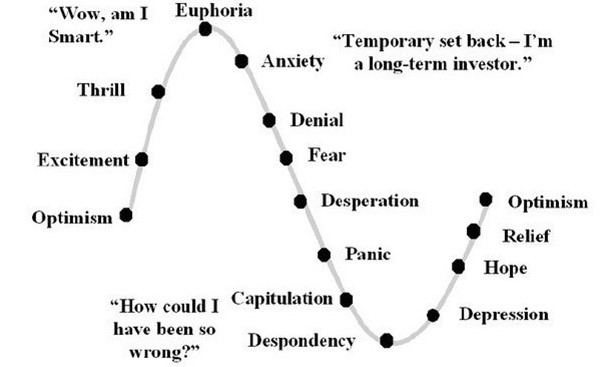
Sugar is extremely damaging to the body for many reasons. It is damaging to the body in high levels, it is damaging to the body in low levels, and the swinging of levels between the two is additionally damaging because of the hormonal response to those rapid changes. I call this the blood-sugar rollercoaster – it is often described as a ‘hypoglycaemic tendency’ (‘hypo’ meaning ‘below’, from the Greek) – but it is the whole rollercoaster that causes metabolic havoc – not just the dips. If we constantly eat carbohydrate foods, this is a rollercoaster which just keeps on going, and along with the metabolic havoc, there are associated mood swings which mirror the ride. These emotions are very similar to those documented by Barry Ritholtz, in his financial writings on the rollercoaster ride experienced by investors in risky stocks. People who are regularly feeling these emotions, and in particular are experiencing them cyclically, are most likely already on the blood-sugar rollercoaster: Returning to the medical case in point, in metabolic syndrome and diabetes any or all of the following problems can result. In each case, a description of the problem is followed by symptoms and diseases that may result from that problem, thereby giving clues as to whether this may be an issue in a particular individual.

The financial rollercoaster ride

The blood-sugar rollercoaster

The blood-sugar rollercoaster, as I explained earlier, is my name for the process of rapidly rising levels of blood sugar prompting a release of insulin and the ‘happy’ brain neurotransmitters followed by rapidly falling levels of blood sugar causing a release of adrenaline. This combined effect switches on addiction. Wobbly blood sugar levels are highly damaging because of their hormonal effects. These hormonal effects I suspect relate to the rate at which levels of sugar rise and fall in the bloodstream. As we lose control of our blood sugar, then eating a high-carbohydrate snack or meal will cause blood sugar levels to spike, and as blood sugar levels make this rapid rise there is an outpouring of insulin in order to protect the body from this dangerous (but addictive) sugar spike. Insulin brings the blood sugar level down by shunting it into fat. However, if this occurs quickly, then blood sugar levels fall precipitously and that results in an outpouring of adrenaline. Adrenaline is responsible for all the symptoms that we call ‘hypoglycaemia’.

Hypoglycaemia comes from the Greek words ‘hypo’ meaning low, ‘gly’ meaning sugar and ‘aemia’ meaning blood, and hence has a literal meaning of ‘low sugar blood’.

However, the term hypoglycaemia I suspect is a misnomer that relates to at least two issues. Firstly, adrenaline is released in response to poor fuel delivery (lack of sugar and/or ketones in the bloodstream). This means that, in the keto-adapted, the adrenaline symptoms do not arise because these people can switch into fat burning mode. Secondly, in those who cannot make this switch, it is not just the absolute level of blood sugar that causes the symptoms but also the rate of change; this means that often people who complain of hypoglycaemia wil d their blood sugar level is normal from a ‘snapshot’ blood-sugar test result. What they need is a ‘video’ of their blood sugar level changing over time to make the diagnosis. Consequences of the rollercoaster spikes in insulin and adrenaline include the following:

a.) High levels of insulin put us into a metabolic state of laying down fat, and prevent fat burning – this is the major problem of
metabolic inflexibility. It is almost impossible to lose weight when insulin levels are high. Furthermore this effect can be sustained for hours.

b.) High levels of adrenaline make us anxious, irritable and sleepless. This adrenaline release is a major cause of high blood pressure. Indeed, it astonishes me that doctors appear completely unaware of this link so that hypertension is described as ‘essential’ (of unknown cause) or ‘idiopathic’ (again, of unknown cause). They may accurately describe it as due to ‘stress’, but fail to realise the cause of this stress is actually nutritional stress due to loss of control of blood sugar levels.

Sugar has immediate effects on the brain, by various mechanisms, and this is partly responsible for why sugar is so addictive. For people who have lost control of their blood sugar, in the very short term, a carbohydrate rush, or ‘hit’, will have a calming effect which allows them to concentrate. Inspector Morse used the carbohydrate hit of a pint of beer to solve his murder mysteries – but ended up diabetic and died prematurely. Falstaff too found that alcohol had an inspirational effect.

‘It ascends me into the brain, dries me there all the foolish and dull and crudy vapours which environ it, makes it apprehensive, quick, forgetive, full of nimble, fiery, and delectable shapes, which delivered o’er to the voice, the tongue, which is the birth, becomes excellent wit.’  Act IV scene iii of Henry IV, Part 2 William Shakespeare (1564–1616)

Any parent will report how their child’s behaviour changes abruptly with a sugar hit and, much more noticeably, when blood sugar dives and they become irritable and moody. My daughters were often tired and irritable when they came in from school – it was not until supper that their normal good humour and energy were restored.

Problems with sugar – hyperglycaemia

Symptoms of blood sugar rising rapidly (due to the sugar hit and insulin) Diseases of blood sugar rising rapidly (due to the sugar hit and insulin)
Brain function improves – better concentration, feel calm, relief from depression.
Satiety
Triglycerides in the blood are high as insulin shunts excessive sugar into fat. 
Obesity and Inability to lose weight. (It is important to recognise that obesity is not the cause of diabetes but may be a symptom of metabolic syndrome – indeed, many people with normal weight have metabolic syndrome and diabetes.)

Problems with sugar – the rollercoaster

Symptoms of blood sugar falling rapidly (due to adrenaline release) Diseases of blood sugar falling rapidly (due to adrenaline release)
Acute anxiety and low mood.
Panic attacks.
Insomnia.
Shaking.
Palpitations.
Fearfulness.
Hunger and intense desire to eat.
Weakness.
High blood pressure.
 
Chronic high blood pressure.
Premenstrual tension.
Chronic anxiety.
Depression.
Eating disorders (anorexia and bulimia). Obsessive compulsive disorders.
Increased tendency to addiction – caffeine, chocolate, nicotine, cannabis, ‘social highs’, gambling, sexual perversions, exercise.

You will again see the similarities between the mood changes here and those noted by Barry Ritholtz in his financial writings on the rollercoaster ride experienced by investors in risky stocks.

This extract was taken from Prevent and Cure Diabetes: Delicious Diets, Not Dangerous Drugs by Dr Sarah Myhill.

Posted on

The reasons behind Male Anorexia

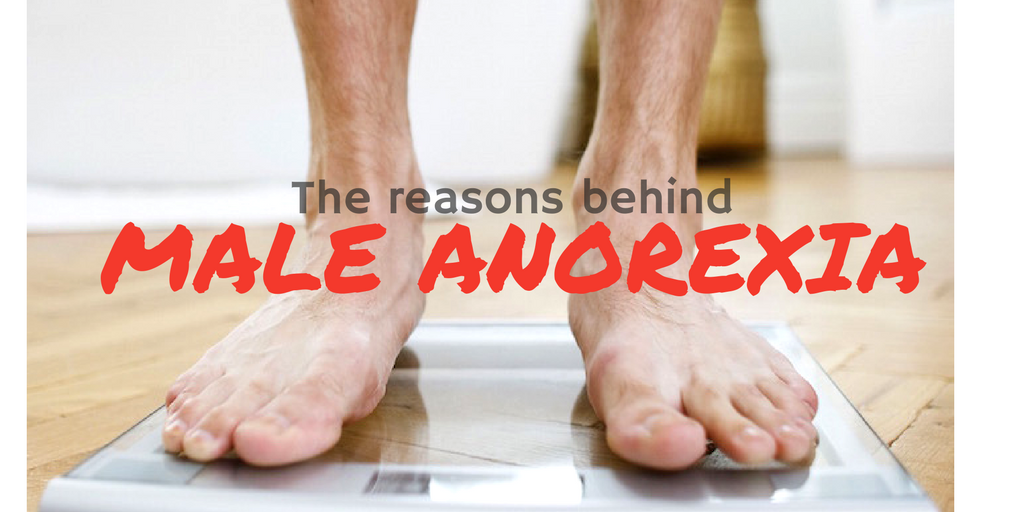
The reasons behind male anorexia

Although the risk of anorexia nervosa is higher in females, boys and men are not immune. Interestingly, atypical eating disorders, such as ‘selective eating’ (very limited food choices) are more common in boys than girls before puberty. These are often related to developmental disorders, such as autism spectrum disorders, or to severe anxiety. However, very few of these eating problems develop into anorexia nervosa after puberty.

About 10% of people with anorexia known to health services are male. On the other hand, large community-based epidemiological studies have recently shown that as many as 30% of participants reporting a lifetime history of anorexia were male, but only a minority sought treatment. Eating disorders are associated with women and this may be an impediment to seeking treatment for men. John Prescott’s disclosure of his bulimia could be a typical example of this situation.

However, even if as many as 30% of sufferers were male, the imbalance towards the female sex is most extreme amongst psychiatric disorders. Interestingly, there is some evidence that homosexuality/bisexuality is a specific risk factor for eating disorders (particularly bulimia) in males. According to a recent study, attending a gay recreational group is significantly related to eating disorder prevalence in gay and bisexual men. The reason for the higher prevalence in non-heterosexual males is unknown at present. In some cases, the drive for weight loss may be an expression of the rejection of male sexuality, such as in men with gender identity disorders.

The motivation for initial weight loss is usually different for men than for women. Preoccupation with a muscular but ‘fat-free’ body is more common, sometimes resulting in excessive exercise and steroid abuse. This is consistent with male sexual attractiveness, but paradoxically, these strategies damage normal sexual functioning. Biologically, abnormally low weight does not allow muscle building, not just because of lack of nutrients, but also because testosterone levels fall during starvation. The low testosterone does not just affect libido and sexual performance, but also the body’s ability to build muscles. Steroids illicitly used for muscle building also interfere with normal sex hormone production, and can be harmful in the long run.

Illicit substance misuse has also been associated with anorexia in males, for a number of reasons. Firstly, amphetamines, heroin and cocaine all reduce appetite. Secondly, some underlying personality traits may present a risk for both conditions.

Research on anorexia in boys and men is limited. This is mainly because only a small proportion of clinic populations are male, so it is very difficult to recruit sufficient numbers of male participants into studies. Furthermore, the majority of research studies concerning anorexia nervosa exclude male patients from recruitment or the analysis in an attempt to keep the methodology simple. The Minnesota Semi-Starvation study, which will be discussed later, included only male participants. Hence, this study has provided invaluable information about the consequences of self-induced starvation in males.

Medical complications are more common in men than women during starvation. However, a recent study in Sweden showed that the long-term recovery rate of men hospitalised for anorexia was good. The same research group has also shown that the outcome of eating disorders in females has improved in Sweden (in contrast to many other countries). These findings may be true only for the Swedish populations, due to the effective screening programmes and early intervention in this country’s highly developed and equitable healthcare system. Finnish researchers also found better outcome for males in terms of weight restoration, but additional psychological problems were common.


This extract was taken from Anorexia Nervosa by Dr Agnes Ayton.

Posted on

Psoriasis: Natural Remedies

Natural remedies for Psoriasis

Psoriasis is a chronic skin disorder that affects 1% to 3% of the world’s population. It is characterised by periodic flare-ups of well-defined red patches covered by a silvery, flaky scale on the skin and the scalp. There are several variations of psoriasis, but the most common type is chronic plaque psoriasis. The exact cause is unknown, but it is believed that a combination of several factors contributes to the development of this disease. In a normally functioning immune system, white blood cells produce antibodies to foreign invaders such as bacteria and viruses. These white blood cells also produce chemicals that aid in healing and fighting infective agents. With psoriasis, though, special white blood cells called T-cells become overactive; they attack the skin and set off a cascade of events that make the skin cells multiply so fast they start to stack up on the surface of the skin. Normal skin cells form, mature and then are sloughed off every 30 days, but in plaque psoriasis the skin goes through this whole process in three to six days.

DAMAGE
Sometimes an injury to the skin can cause the formation of a psoriasis patch. This is known as the Koebner phenomenon, and it can occur in other skin diseases, such as eczema and lichen planus. It can take two to six weeks for a psoriasis lesion to develop after an injury. Types of damage that can trigger a flare include: abrasion – even mild abrasions; increased friction from clothing or skin rubbing against skin in folds, such as armpits or under breasts; sunburn; viral rashes; drug rashes and weather damage.

DIET
Alcohol, sugar, coffee, fatty meats, refined processed foods, additives and deficiencies in minerals and phytonutrients can induce attacks of psoriasis.

DRUGS THAT CAN INDUCE OR WORSEN PSORIASIS

  • Chloroquine – used to treat or prevent malaria.
  • ACE inhibitors – angiotens in converting enzyme inhibitors, used to treat high blood pressure. Examples include fosinopril, captopril, and lisinopril.
  • Beta-blockers – used to treat high blood pressure. Examples include metoprolol tartrate (Lopressor) and atenolol (Tenormin).
  • Lithium – used to treat bipolar disorder.
  • Indocin – an anti-inflammatory medication used to treat a variety of conditions, including gout and arthritis.

INFECTIONS
Infections caused by bacteria or viruses can cause a psoriasis flare. Streptococcal infections that cause tonsillitis, or strep throat, tooth abscesses, cellulitis, and impetigo, can cause a flare of guttate psoriasis in children. The human immunodeficiency virus (HIV) does not increase the frequency of psoriasis, but it does increase the severity of the disease.

PSYCHOLOGICAL STRESS
This has long been understood as a trigger for psoriasis flares, but scientists are still unclear about exactly how this occurs. Studies do show that not only can a sudden, stressful event trigger a rash to worsen; the daily struggles of life can also trigger a flare. In addition, one study showed that people who were categorised as ‘high worriers’ were almost two times less likely to respond to treatment compared to ‘low worriers’.

WEATHER
Weather is a strong factor in triggering psoriasis. Exposure to direct sunlight, which usually occurs in the warmer months, often improves the rash. On the other hand, cold, short days seen in the winter months can trigger the rash to worsen.

NATURE CURES FOR PSORIASIS
Raw juice therapy can effectively improve psoriasis. The best organic natural foods to juice are: apricot, beetroot, carrot, celery, cucumber, grapes, lemon, spinach and tomato.

EXTERNAL REMEDIES FOR PSORIASIS
The following can be used as external remedies for psoriasis: burdock root, Chinese rhubarb root, egg white (beaten to fluffy stage), mango, oats, parsley, pine needle tea bath and tamanu oil.


This extract was taken from Nature Cures by Nat Hawes. Check out her website at http://www.naturecures.co.uk/about.html

Posted on

How to cope with IBD at work

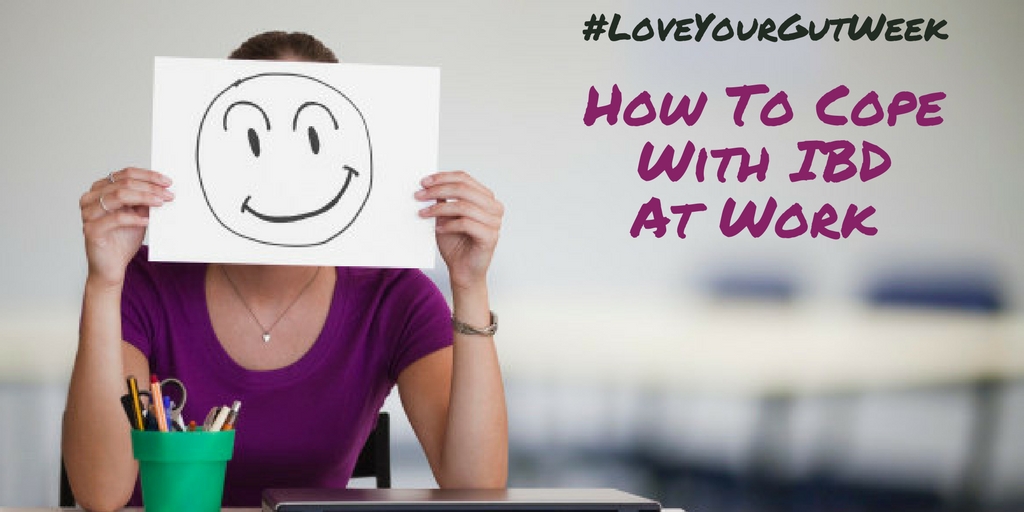
How to cope with IBD at work

Sometimes it seems that living with IBD is a full-time job (albeit one with zero pay or benefits!). Time spent at the hospital, recovering from flares and trying to live a healthy life can all add up. Unfortunately, most of us are not millionaires and work is a necessity, and for lots of us a fulfilling part of our lives. Working with IBD isn’t always easy but for the vast majority of us it is possible. However, you may need to talk to your employer and have adaptions made.


Be honest

It is very important that you are honest with your employer about your condition and what it involves. IBD, like any chronic illness, is covered under the 2010 Equality Act since it is a physical and long-term impairment (definition of disability under the Equality Act 2010, 2015). This means employers must make necessary adaptions to help you in your role. This could include flexible working hours, access to a disabled toilet or a fridge to store your medicine in. Most employers are accommodating if you talk to them and explain what your condition actually entails (and if this is disclosed at interview, employers cannot discriminate against you in the recruitment process).


Be realistic

Many people with inflammatory bowel disease have really high expectations of themselves, which is also reflected in their careers. However, it is important to reflect on your career path and whether it is adaptable to life with IBD. Does it involve lots of travel? Is it stressful? Are you often on the go? Having IBD doesn’t mean giving up on your career dreams but just making sure the job is right for you.


Be informed

Reading the paperwork and the terms and conditions that comes with a job is more important than ever with IBD. Here are some things you need to find out:

  • What is the sick pay entitlement?
  • What is the policy for long-term periods of sickness?
  • How flexible are the working hours?
  • If you are working abroad, is medical insurance included and does this include pre-existing conditions?
  • Will you get regular breaks? (This can be easy for office workers; not so easy for those in retail.)
  • Is there the possibility of reduced hours or going part-time further down the line?

Keep records

It may be worth having a notebook to keep a list of any time you have had to take off work for IBD and the corresponding symptoms and hospital trips.


My experience of working with IBD

I am a teacher by trade and have taught both in the UK and abroad. In every job, I’ve been honest about my conditions from day one and luckily all my employers have been great. When I was on infliximab, my employers were great at giving me time off to go to hospital appointments and in my previous role I had surgery and the school arranged for me to come back on a phased return. It can be really hard teaching with IBD – I have had days where I felt like I wanted to faint in front of a class – but luckily most of the time I’m fine. In some ways doing a demanding job means I often forget about my symptoms, but I have had to dash out of class on a few occasions. I think this is why talking with colleagues about your condition is so important – it has meant they have been able to quickly step in if needed. Yet over the years, I think I’ve also become more realistic about my teaching career and this year I’ve reduced my workload to three days a week, aiming to spend more time on my health and my writing. I don’t see this as a step down but a necessary adaption to help me live as balanced a life as possible; hopefully I can combine the security of a teaching job with my other passions in life – writing and nutrition.

This blog is taken from Managing IBD: A balanced guide to inflammatory bowel disease by Jenna Farmer.

Posted on

CFS/ME: Are you sleeping too much?

CFS/ME: Are you sleeping too much

Difficulty with sleep is common for people with CFS/ME. Some people find they are sleeping too much, while others find they are not sleeping enough. If you experience problems with sleep there are several things you can do to help yourself.

There is no such thing as an ideal amount of sleep. For example, some people need 10 hours, while others only need five. An average night’s sleep is around eight hours. When the amount of sleep someone is getting is causing an increase in fatigue that is when it becomes a problem.

When people first have CFS/ME they often over sleep. People who have had CFS/ME for a longer period of time often go from over sleeping to not being able to sleep enough, despite high fatigue levels. Continue reading CFS/ME: Are you sleeping too much?

Posted on

Books on Prescription: Reading Well for Long Term Conditions

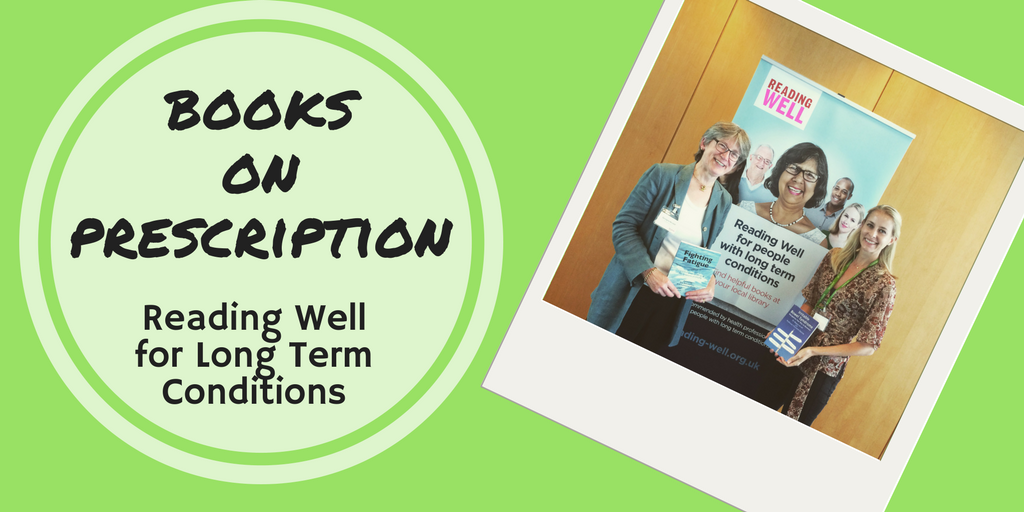
We are delighted to announce that Fighting Fatigue and Irritable Bowel Syndrome: Navigating Your Way to Recovery have been placed on the Reading Well scheme for long term conditions.

If the pen is mightier than the sword, perhaps the book is mightier than the drug.

These stirring words from Professor Martin Marshall at the 2017 Reading Well launch really summed up the miraculous effect that books have on us.

Bibliotherapy –  the use of books and reading to facilitate management of and recovery from illness – is not a new concept, but it has found increased recognition in recent years thanks in part to the Reading Well scheme. Continue reading Books on Prescription: Reading Well for Long Term Conditions

Posted on

Taking charge of anxiety with an invisible illness

Mental health and coping with anxiety affects everyone, and if you are suffering from an invisible illness it can be even more difficult. It’s #mentalhealthweek so here are some tools for looking after your emotional and mental health when dealing with chronic illness, whether it be IBD, IBS, CFS, ME or other fatigue/auto-immune conditions.

How can we deal with anxiety and invisible illness?

Since many patients feel stress can trigger their symptoms, it is vital to try to get a handle on anxiety. It has been suggested that support for this should be part of Inflammatory Bowel Disease (IBD) patients’ care plans, yet currently only 12 per cent of IBD clinics offer this. Therefore, it is clearly an area where more medical services need to be directed. As I discussed in Chapter 1, initial consultations after being diagnosed can lead to the patient being overwhelmed with information and having a variety of leaflets thrust into their hands about the disease they can only take in later. But where’s the leaflet that tells us how to cope with the associated emotions? The leaflet that gives us ways of not breaking down, and staying strong? The leaflet that offers support groups and websites?

Hopefully the studies I have cited have highlighted the growing link between mental health and IBD. Of course, if you feel you are struggling with anxiety and depression it is vital you speak to your GP urgently. If you have done this and are looking for some self-help suggestions to deal with times of worry and help manage your anxiety, then the guidance below from Sally Baker – a therapist who works specifically with the mind-body connection – may be beneficial. (It is important to be aware at the same time that these tips offer general guidance which cannot replace the individual advice of a medical professional and if you are feeling any new symptoms of anxiety and depression, then it is very important to see your GP.)

Advice from Sally

When Sally works with clients living with chronic ill-health she recognises how having little or no confidence in how one will physically feel from day to day encourages self-doubt and frustration. As you are probably aware, feeling negative about yourself can create a vicious circle of frustration, disappointment and anger. One of the first therapeutic approaches she suggests to break this cycle of negative self-thinking is to encourage patients to gain an enhanced level of self-awareness to highlight the impact those uncomfortable emotions have on them.

She has found one of the most beneficial ways of discovering if a person is prone to negative thoughts about themselves is to explore the kind of things their inner voice says to them. If on reading this your response is, ‘What inner voice? – I don’t have one!’ then that is your inner voice.

Your inner voice runs an almost continuous internal dialogue commenting on everything you do and often makes judgements on how well you do it too. Happening as it does just below conscious awareness, one’s inner voice goes unchecked, and unchallenged, for most of the time.

For many people, especially those living with chronic illness, their inner voice is rarely a source of uplifting encouragement. It is more likely to give an unremitting flow of self-criticism, and negative self-judgements (everything from ‘I hate my body’ to ‘What am I doing wrong?’). Taking the time to become aware of how your inner voice speaks to you can accurately demonstrate to you your own level of self-judgement and self-condemnation. Tuning in, and clearly hearing your inner voice, is the crucial first step to silencing the draining and dispiriting stream of negativity that can hinder moving forward and making positive changes. Sally suggests spending a little quiet time – just a few moments – every day for about a week tuning in to your inner voice, and simply listening and noting down the negative statements. A therapy tool she then uses to resolve those negative, limiting beliefs is called Emotional Freedom Technique (EFT or ‘Tapping’). EFT is an energy therapy that has proved highly effective for revealing true feelings, in this case prompted by one’s negative self-talk.

Once you have a greater awareness of your own negative self-talk you can then apply another of her core therapy tools – called Percussive Suggestion Technique (PSTEC) – to turn-down, or dispel, the emotions attached to the negative beliefs you have about yourself. Turning off negative self-talk is the beginning of a powerful journey which can transform a former inner-critic into your greatest advocate – someone cheering for you instead of undermining you.

This blog is taken from Managing IBD: A balanced guide to inflammatory bowel disease by Jenna Farmer, available as ebook and paperback. For more from Jenna you can follow her blog A Balanced Belly, and for more emotional therapy techniques from Sally Baker check out her book Seven Simple Steps to Stop Emotional Eating.

If you found these tools helpful help us raise awareness of mental health by sharing for #mentalhealthweek

Posted on

A gentle introduction to IBS for IBS Awareness Month

Irritable Bowel Syndrome

Irritable bowel syndrome (IBS) is an invisible, fluctuating disease and as such it is often difficult for family members, friends, colleagues, health service professionals, welfare insurance administrators and others who encounter people with the disease to understand the suffering of the individual.

People with IBS are often faced with troublesome and sometimes severe physical symptoms that in different ways obstruct or challenge their everyday life. The disease is by its nature potentially shameful. In our modern western society some of our most fundamental bodily functions, like flatulence and defecation, are considered to be private and nothing you would want others to know about. Hence, for many persons with IBS, sharing their illness experience does not come easily.

Among healthcare professionals, knowledge about IBS is quite often insufficient and it is regarded as a low-priority disease. Sometimes IBS patients find that their troubles are dismissed or belittled, for example, in healthcare encounters or by family members. Not being taken seriously – at home or by healthcare professionals – can be a devastating experience which affects self-image. For some people getting the diagnosis is affirming, providing a legitimate passport to the healthcare system. For others, however, being diagnosed means nothing but being a ‘closed-case’, and they feel left with insufficient information, advice and support. They find they have more questions than answers. In the jungle of potential self-management suggestions (available through various websites, blogs and chat forums) about what to eat, when to sleep or how to behave if you get urgent bowel movements and start to panic on the bus, it is easy to get confused. Being on your own, having to figure out how to live the rest of your life with an illness that won’t go away, and a disease for which there is no treatment or clear and certain ‘rules’ to follow but learning to know one’s own body and what works best, is not an easy task.

Literature about IBS has until now tended to be either too medically orientated, complex and difficult for lay people to understand, or to be like a pamphlet, too brief to be useful. Irritable Bowel Syndrome is therefore a very much welcomed contribution for all laypersons – people with IBS, family members, colleagues, neighbours and others who for some reason need to learn more about the disease, what life with IBS is about and what help is out there. The book offers a thorough explanation of the mechanisms and (as far as there is scientific evidence) likely causes of IBS, and of available pharmacological and non-pharmacological treatment options. It also portrays life with the illness from the perspective of those who live with the disease, and linked to this, a variety of self-care strategies are described. The book can of course be read as a whole, but it also forms a very useful reference book for certain aspects or topics of particular interest to the reader. I am certain that anyone who is interested in knowing more, or has specific questions, about IBS will find useful information and answers to their questions.

Cecilia Håkanson RN, PhD is a researcher and senior lecturer at the Palliative Research Centre and the Department of Health Care Sciences at Ersta Sköndal Bräcke University College, Stockholm, Sweden. She is also an affiliated researcher at Karolinska Institutet, Department of Neurobiology, Care Science and Society, in Stockholm, Sweden.

This extract is taken from Irritable Bowel Syndrome: Navigating your way to recovery By Dr Megan Arroll and Professor Christine Dancey

Posted on

Eat to beat depression

Eat to beat depression for World Health Day

Tackling depression naturally for World Health Day

Nutrition-related health issues seem to take an age to become part of accepted medical practice. The medical establishment requires comprehensive scientific evaluation, randomised trials and peer review before a new drug can be licensed, for instance. The pharmaceutical company has to weigh up the costs of research and development versus the potential profit to be made from launching a successful product that can earn a good return on their investment. (When you add in the factor that 80 per cent of their budget goes on marketing, it is clear the stakes are high indeed.) As real food is simply real food and can’t be licensed, branded or patented, there is little impetus for the medical community to fund costly research.

Medical research over the last couple of decades has, nevertheless, highlighted how an unhealthy gut can contribute to many physical diseases and these findings are becoming more accepted in mainstream medicine. Clinicians increasingly agree that the gut-brain axis also plays a crucial part in emotional wellbeing, including the development of conditions as diverse as chronic fatigue syndrome, depression and autism.

The Gut-Brain Axis

The gut-brain axis is a way of describing the interrelationship between gut health and brain health. The various aspects of digestion are controlled via the vagus nerves by a complex set of neurons embedded in the oesophagus, stomach, intestines, colon and rectum. The brain sends messages to all the nerves in your body, including the neurons that control digestion. All work efficiently enough until a person is anxious or stressed on an ongoing basis. You perhaps know for yourself that if you are feeling nervous your stomach can feel upset and queasy. The reason for this is that strong negative emotions, stress and anxiety increase cortisol and adrenaline, which then stimulate the sympathetic nervous system and shut down the parasympathetic system, which includes control of the gut. This causes a physical chain reaction:

* Reduction in pancreatic enzyme production

* Reduction in gall bladder function

* Reduction in the production of stomach acid

* Slowing down of peristalsis – the involuntary muscle movements essential for moving food efficiently through intestines for the absorption of nutrients

* Reduction in blood flow to the intestines

* Suppression of the intestinal immune system

In the short term, this allows the body to focus its resources on ‘fight or flight’ – a good survival mechanism. However, with ongoing stress and anxiety, this cumulative slowing down and suppression of the digestive process can, over a prolonged period, lead to a condition called ‘small intestinal bacterial overgrowth’ (SIBO). As the digestive process is compromised by stress and anxiety, the lack of stomach acid allows the stomach and small intestine – which should both be pretty much microbe free – to be colonised by unhealthy bacteria, and yeasts, causing foods to be fermented rather than digested. In addition to gas and bloating, compromised digestion leads to declining absorption of nutrients, which contributes to the loss of the co-factors needed for good digestion, and consequently further gut problems.

Now consider this situation lasting for extended periods of time. The integrity of the gut lining may be compromised, contributing to gut permeability (‘leaky gut’) that may be sufficient to produce chronic low-grade inflammation.

Chronic Inflammation

The inflammatory process includes the production of cytokines, chemical signals of inflammation that are carried by the blood to the brain. The cytokines can activate cells – so that the inflammation originating in the gut thereby causes widespread inflammation in the rest of the body, including the brain.

The impact of brain inflammation is that the brain has reduced nerve conductance which – guess what – shows up as depression, anxiety and stress.

This vicious circle can self-perpetuate and requires long-term changes to heal the gut, which in turn will help to heal the brain. This is done through changes in behaviour and improving levels of nutrition through changes to food choices. To improve your natural resilience to stress it is important to increase the amount of healthy polyunsaturated omega-3 oils in your diet, so look for oily fish, grass-fed meats and butter made from the milk of grass-fed dairy herds. Good plant sources include hemp seeds, linseeds, chia and some nuts and nut oils (macadamia, almond).

If you consider yourself to be depressed it will be helpful for your recovery to manage your stress levels, improve your sleep patterns and add nutritious and gut-healing foods into your regular eating plan.

Do bear in mind, however, that you may also need professional help if you have been suffering from this debilitating psychological disorder for some time. Please make sure you are accessing all the medical and psychological support you need. Try hard not to add isolation to an already challenging situation.

This blog has been taken from How to Feel Differently About Food by Sally Baker & Liz Hogon.