Posted on

How to Boost Your Body’s Ability to Heal Itself

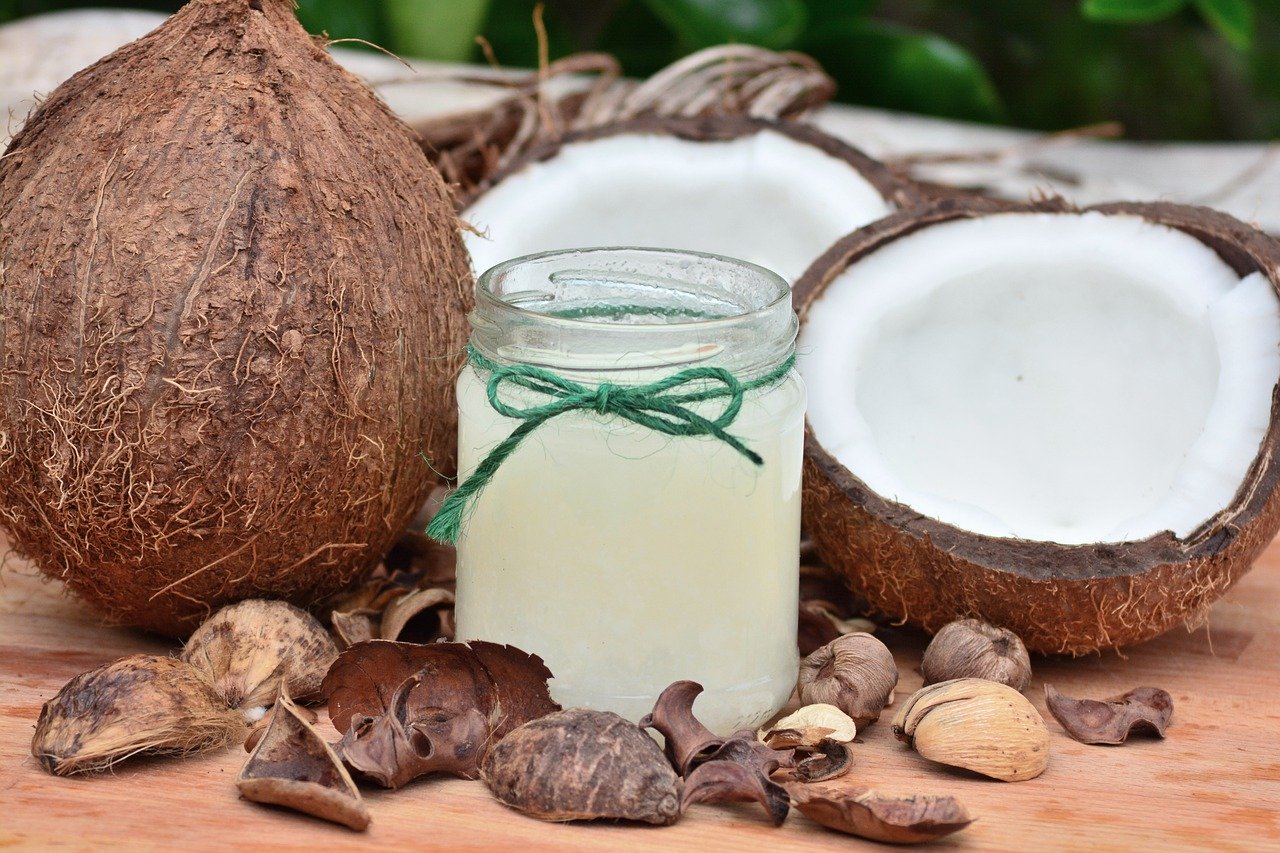
Coconut

We have all had too struggle with recovery from an injury, surgery or an infection at some time in our lives. To do so requires extra energy and the best raw materials, and these raw materials – along with the microbe-fighting properties of many plant components – need to come from what we eat and drink.

The following excerpts come from Recovery from Injury, Surgery and Infection, the latest book in the Nature Cures series from Nat Hawes.

Coconut (Cocos nucifera)

Coconut, in all its forms (flesh, oil and water), can eliminate infectious illnesses including those caused by viruses due to its components capric acid, caprylic acid and lauric acid.

Breast-feeding mothers who consume pure virgin coconut oil have high levels of these healthy fatty acids in their milk, which is of great benefit to the infant because it protects them from infections and toxins.

Lauric acid

Lauric acid is a type of medium-chain fatty acid found in only a handful of foods but especially in coconut; it is converted into monolaurin, in the body, which has antibacterial, antifungal and antiviral properties.

Lauric acid is useful for treating viral infections, including colds (caused by a coronavirus) and influenza, cold sores and other herpes infections.

In addition to coconut, which is by far the richest source, sources include cow’s milk, curry leaf, goat’s milk and palm kernel oil

Capric acid

Capric acid, together with lauric acid and caprylic acid, helps to increase levels of ‘good’ high-density lipoproteins (HDL cholesterol) relative to ‘bad’ low-density lipoproteins (LDL cholesterol).

Capric acid is also very useful for treating viral infections.

Additional sources include: aubergine; cow’s milk (full cream); goat’s milk (full cream) and palm kernel oil.

Caprylic acid

Caprylic acid can help counter many types of infection.

Research has revealed that it can activate a hormone called ghrelin, which in turn stimulates the hunger centre in the brain and increases appetite. This may prove to be particularly useful for patients with poor appetites following illness.

Because of its unique chemical structure, caprylic acid is able to seep through the outside shell of the mitochondria (the energy-making micro-structures in all our cells) where it can then be broken down to release energy. In this way, overall energy levels are increased, which helps aid recovery.

Consuming natural foods containing caprylic acid may also curb a deficiency in vitamin A. Sources other than coconut include cow’s milk, goat’s milk, palm oil and pomegranate seed oil.

You can find out more about Nat Hawes book here, or follow Nature Cures on Twitter or Facebook

Posted on

Using Pro-Resolution Nutrition To Control the Coronavirus

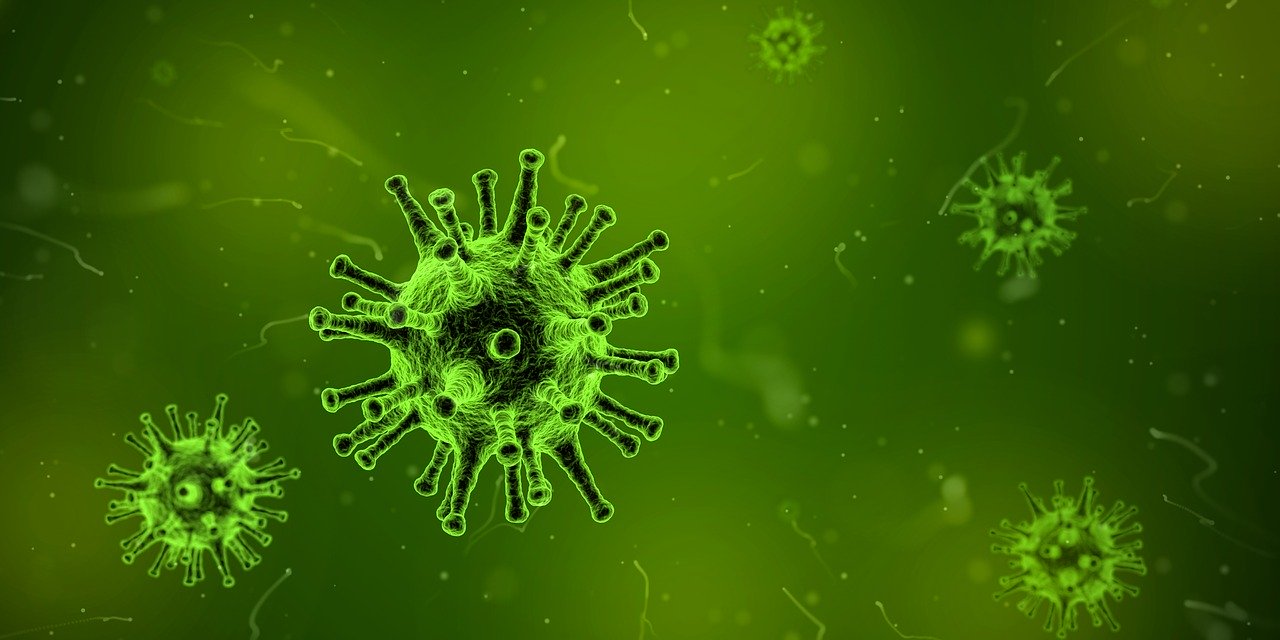
Virus

This post originally appeared on DrSears.com. It is written by Hammersmith Health Books author, Dr Barry Sears, author of The Mediterranean Zone

Viruses and bacteria were here long before we were and will definitely outlast us. So, when a new pathogen crosses from its natural animal reservoir to infect humans, what are you going to do? One choice is the ancient approach to quarantine infected individuals until the disease runs its course. That method was used in fighting the Black Death that started in 1348. Actually, the first appearance of the Black Death occurred about 800 years earlier when it was known as Justinian’s Plague and is estimated to have killed between 30 to 50 million in the Roman Empire. When it re-emerged in the fourteenth century it killed about half the population in Europe or approximately 75 million people. However, it didn’t immediately disappear as it continually reappeared in Europe until about 1660. The most effective interventions against the Black Death were draconian measures ranging from closing the borders, use of quarantines in both international trade (i.e., preventing ships from entering ports) and in domestic travel, and finally in keeping citizens confined to their towns to await their fate.

Newly emerging viruses can even be worse. According to the Centers for Disease Control (CDC), the first appearance of the influenza virus in 1918 infected about 1/3 of the world’s population, killed between 20 to 50 million worldwide including 675,000 in the U.S. between 1918 and 1920 (1). There were no vaccines, no antibiotics to treat secondary infections at this time, just quarantines and good personal hygiene.

Today, the modern way to treat pandemics of bacterial or viral infection is to simply surrender to the power of pathogens and use vaccines and antibiotics and modern medical care (i.e., ventilators, etc.) for the infected until the patient either survives or dies. According to the CDC, we are still not doing a good job in the U.S. as in the 2018-2019 flu season, it is estimated that more than 35 million Americans were infected (about 9 percent of the total population) with the flu, and 34,000 Americans died even though we had vaccines and antibiotics (2). While those numbers are definitely better than they were in 1920, but don’t bode well for future new viruses.

So, how are we handling the current coronavirus since we have no vaccine? The Chinese are using the ancient method of strict quarantines. It is highly unlikely that type of iron-fisted population control will work in the United States and Europe. And without a vaccine, the spread of this virus into an immunologically naïve population can rapidly expand. Is there another approach?

I believe the answer to that question is a definite yes. I call this the immuno-nutrition approach. The body has a powerful internal system to fight viral and bacterial infections. It’s a combination of both the innate and adaptive immune systems. The innate system is ancient and primitive as it reacts quickly to chemical structures. It works as our first responder to any type of microbial invasion. The adaptive immune system is more sophisticated in that it uses immune cells that digest the microbial invader and hopefully remember its structure when it might return. The adaptive immune system is slow to response (especially to a new biological invader) because it needs the innate immune system to prime it. However, unlike the adaptive immune system, the innate immune system is under strong dietary control and that’s where immuno-nutrition comes into play.

Immuno-nutrition is not simple advice to eat a healthy diet, but requires following a highly defined nutritional program to optimize the innate immune system to make the adaptive immune system more responsive to all microbial invaders. The key feature is your ability to optimize the Resolution Response™. The Resolution Response is your body’s internal healing response. It is composed of three distinct dietary interventions to reduce, resolve, and repair the damage caused by an injury including those caused by microbial (i.e., viral and bacterial) infections such as the coronavirus (3)

Without going into great detail in this blog, any injury causes an initial inflammatory response to alert your immune system that you are under attack. The more inflammation you have in your body, the less likely you can optimally activate your immune system to respond to this microbial challenge. This is why your first goal is to reduce excess inflammation in the body, not by taking an anti-inflammatory drugs (which are also anti-resolution drugs that inhibit the next step of the Resolution Response), but by following an anti-inflammatory diet such as the Zone diet (4-6). That is only the first step. Next you have to resolve the inflammation induced by the microbe by increasing the production of a group of hormones known as resolvins (7,8). This can only be done by consuming high levels of omega-3 fatty acids in the diet to maintain a low AA/EPA ratio in the blood. What is the right dose of omega-3 fatty acids? Your blood will tell you. If your AA/EPA ratio is between 1.5 and 3, then you are taking enough (3). Most Americans will require at least 5 grams of EPA and DHA per day to reach that ideal AA/EPA range since the average AA/EPA ratio for most Americans is about 20. Finally, you have to optimize the innate immune system using high-dose polyphenols that are water-soluble so they get into the blood to activate the gene transcription factor known as AMPK. How many polyphenols? Enough to keep your levels of glycosylated hemoglobin (HbA1c) between 4.9 and 5.1 per cent. This will take about 1 gram of water-soluble polyphenols per day with delphinidins being the best choice (9).

Of course, the more closely you follow the Zone diet, the fewer water-soluble polyphenols or omega-3 fatty acids you will need to optimize your internal Resolution Response (3). Such water-soluble delphinidins that can activate AMPK are found in low levels in blueberries or in far higher concentrations in delphinidin extracts. Once AMPK is activated by these water-soluble polyphenols, then it begins to orchestrate your immune system to attack and neutralize the microbe. This is definitely a team approach. If any one of the three steps (reduce, resolve, and repair) is not working at optimal efficiency, your ability to control the outcome of the microbial infection (in this case the coronavirus) will be inhibited.

This could mean the difference of either having runny nose or being on a ventilator because the likelihood you will be exposed to the coronavirus is great due to globalization. The choice of the outcome of that coronavirus exposure is yours.

References

https://www.cdc.gov/flu/pandemic-resources/1918-pandemic-h1n1.html
https://www.cdc.gov/flu/about/burden/2018-2019.html
Sears B. The Resolution Zone. Zone Press. Palm City, FL (2019)
Sears B. The Zone. Regan Books. New York, NY (1995)
Bell SJ and Sears B. “The Zone diet: An anti-inflammatory, low glycemic-load diet.” Metabol Synd and Related Disord 2:24-38 (2004)
Hotamisligil GS. “Inflammation, metaflammation, and immunometabolic disorders.” Nature. 542: 177-185 (2017)
Serhan CN. “Pro-resolving lipid mediators are leads for resolution physiology.” Nature 510: 92-101 (2014)
Morita M et al. The lipid mediator protectin D1 inhibits influenza virus replication and improves severe influenza. Cell 153(1):112-125 (2013)
Jin X et al. “Delphinidin-3-glucoside protects human umbilical vein endothelial cells against oxidized low-density lipoprotein-induced injury by autophagy upregulation via the AMPK/SIRT1 signaling pathway.” Mol Nutr Food Res 58: 1941-1951 (2014)

Posted on

How to start exercising after recovering from scoliosis surgery (or any other surgery)

Scoliosis Handbook

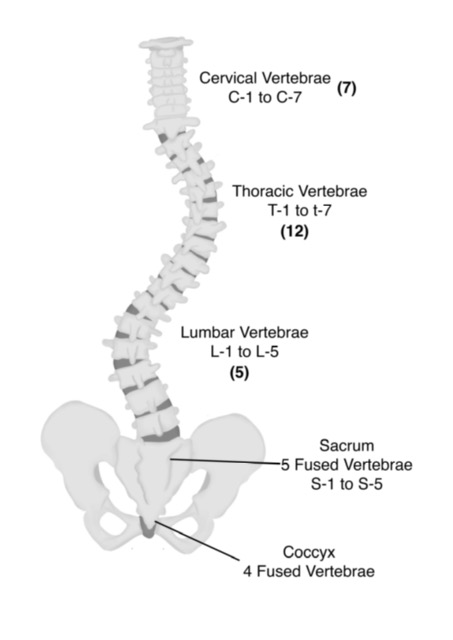
At its simplest, scoliosis is an abnormal curvature of the spine. It looks like an ​S shape​. There are four common types:

  • Right thoracic curve – curve to the right (thoracic) upper back.
  • Right thoraco-lumbar curve – curve bends to the right of the thoracic down to the lumbar (lower back).
  • Right lumbar curve – curve bends to the right of the lumbar.
  • Double major curve – usually a curve to the right at the thoracic and left at the lumbar.

Diagnosis includes bending over to touch the toes and checking to see how symmetrical the spine appears plus X-ray, CT scan and MRI.

Signs of scoliosis as advised by the NHS include:

  • A visibly curved spine
  • Leaning to one side
  • Uneven shoulders
  • One shoulder or hip sticking out

Scoliosis HandbookTreatment for scoliosis includes wearing a brace to help straighten the spine which can work, depending on the stage of the curvature, or surgery. If the spine develops a severe curve, this can cause pain, while also putting pressure on the heart, lungs and other organs. Physiotherapy, exercise and massage can also alleviate pain before and after surgery.

Starting to exercise again after scoliosis surgery can be daunting for many people. How far do you push your body and how quickly? It is easy to have lost confidence in your ability to judge your body especially if you have been out of action for months.

My guidelines for returning to exercise are based on recovery after scoliosis spinal fusion surgery but the general principles can be applied to anyone who has had fusion surgery, for example damaged discs, or indeed any other condition.

The idea after scoliosis surgery is to build up back muscles gently.

According to the surgeon from my third surgery, the general rule is to lift no more than 5 kilos with free weights.

Starting back to exercise

PAIN

You should not feel pain during exercise at all. If there is any pain in the joints – back, neck, hips, knees, shoulders, elbows, wrists – stop what you are doing immediately. Gentle muscle pain after two days is normal in, for example, the quads (thighs), glutes (bottom) and abs (stomach). It is not normal not to be able to walk, or to have terrible neck and shoulder pain or to be in agony. If this happens, either the exercise was performed incorrectly or you have overdone it, or that exercise is definitely not for you. Do not over-push yourself at any time after scoliosis surgery. Initially, fatigue sets in quickly, so always make sure there is a rest time when the session is finished. Chill out for at least 30 minutes afterwards.

Always be aware of your posture and body alignment. Head, neck, shoulders, spine, hips, knees, ankles and toes should follow each other. A tip is to look down or check yourself in the mirror. Are your knees pulling together or your toes positioned inwards? Knees should be front facing or slightly outwards and toes positioned between 11am and 1pm OR 10am and 2pm.

With my clients, I operate what I call ‘exercise allergy awareness’

EXERCISE ALLERGY AWARENESS

  • Start with one gentle exercise
  • Start with low repetitions
  • Wait for two to three days
  • If you feel no pain at all after two to three days, continue with the first exercise and add a second
  • Wait another two to three days
  • If you feel no pain at all, add a third exercise to your routine
  • Wait another two to three days
  • If you feel no pain at all, add a fourth exercise, and so on … If you do feel pain, which at its maximum should be no more than gentle muscle pain, you will now be aware that a particular exercise is to be avoided – just like a food allergy.
Caroline Freedman
Caroline Freedman, author of The Scoliosis Handbook

Regular exercise will really help to stretch and strengthen the muscles around your spine, keeping them strong. As a result, posture will improve and you will look and feel so much better. It is a case of listening to recommendations from the consultant, physiotherapist and your body as to what may be comfortable to do.

Always consult your GP, consultant or physiotherapist before starting to exercise again.

Blog post written by Caroline Freedman, author of The Scoliosis Handbook, coming soon to Hammersmith Health Books. For more information about Caroline or the book, visit her website: https://www.scoliosishandbook.com/ or follow her on Facebook or Instagram.

Posted on

Happy International Falafel Day

Falafel recipe

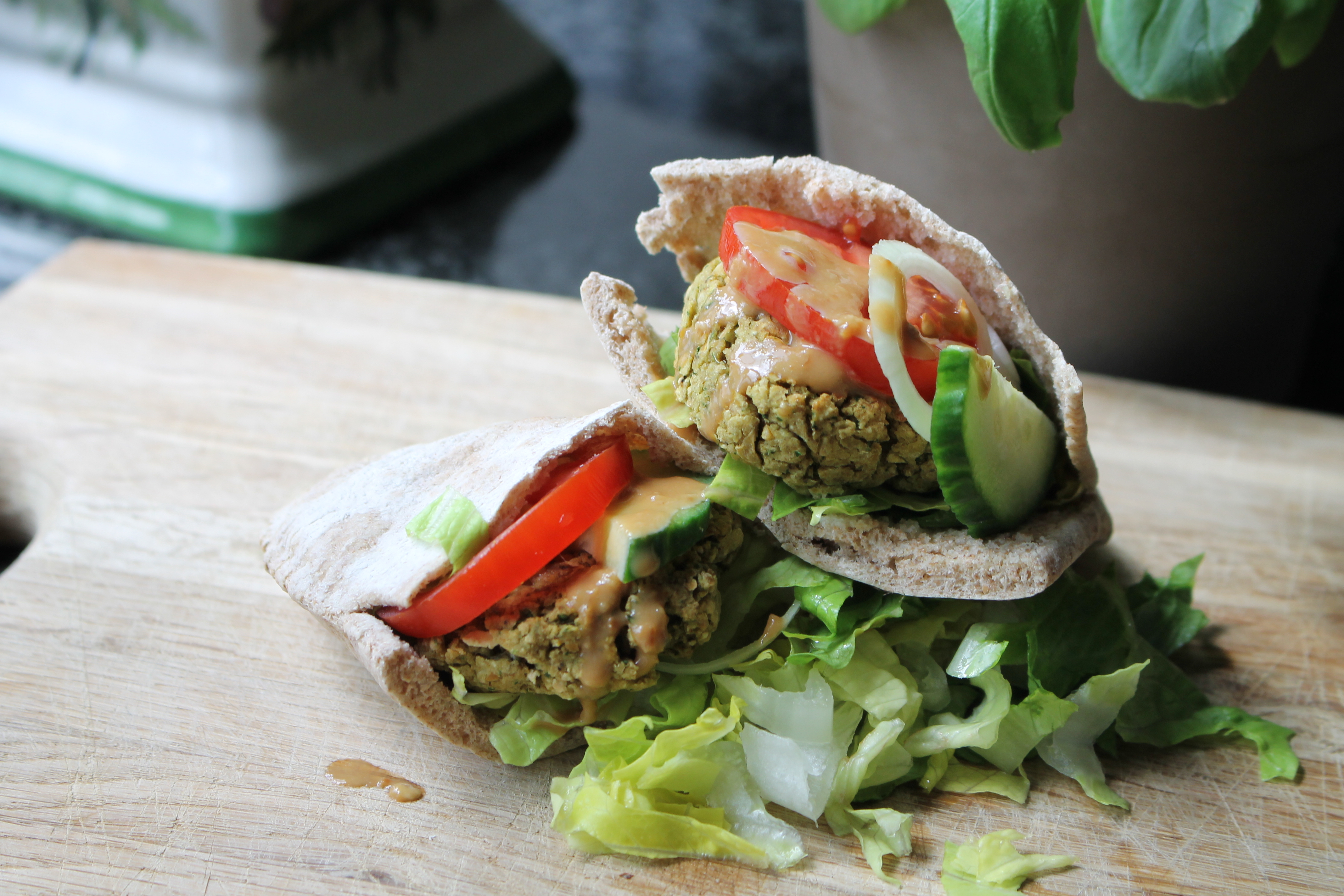
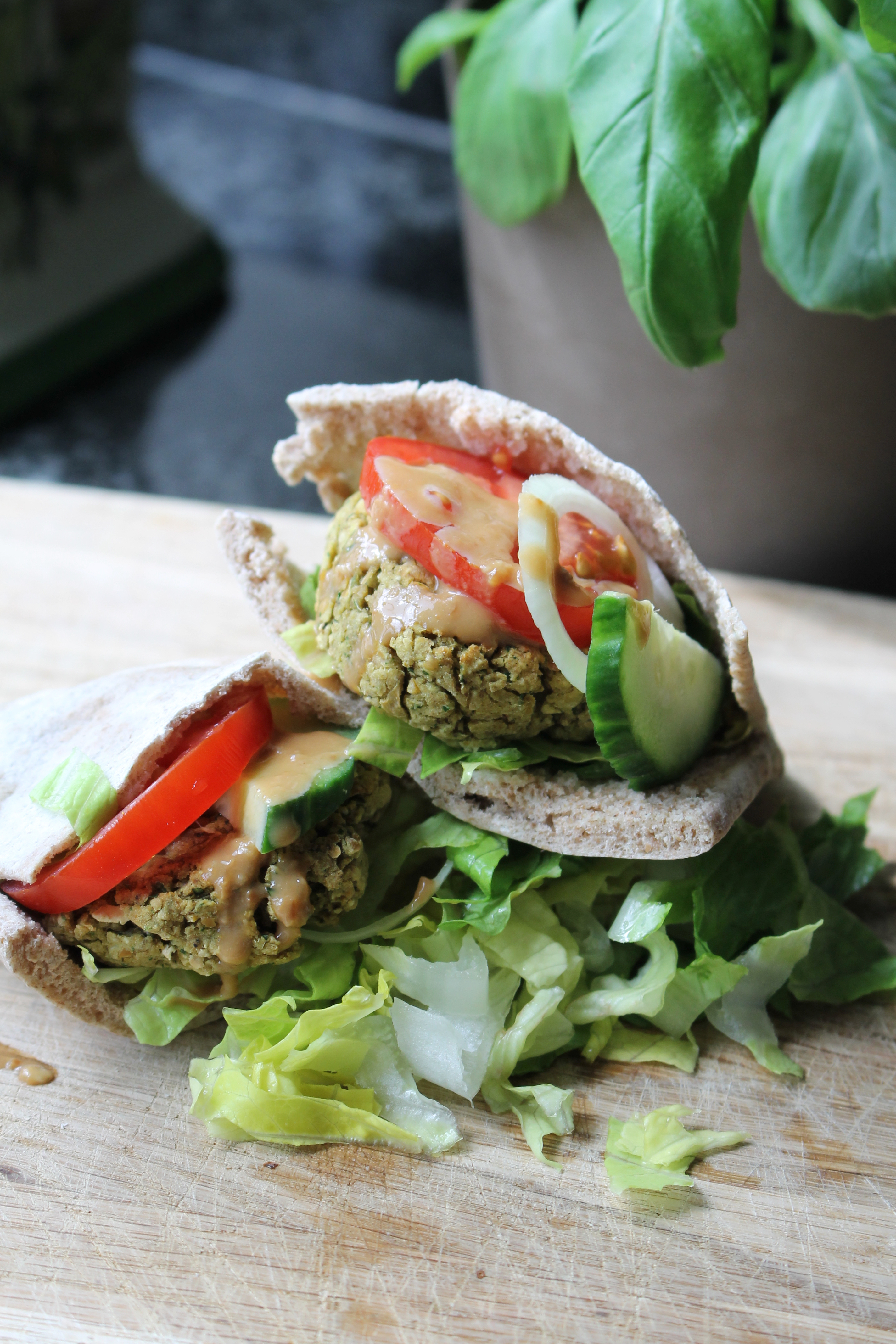
Today – 12 June – marks International Falafel Day! Deep-fried and composed of chickpeas or fava beans, this Middle Eastern food is often found wrapped up in a pita bread, or served with salad and sauces.  A favorite among meat-eaters and vegetarians alike, the latter of whom will often find it presented as an alternative to meat, falafel is one food that certainly deserves its own day of recognition.

To celebrate your favourite chickpea treat, we are sharing a special, new recipe from Iida van der Byl-Knoefel, author of A Kitchen Fairytale. This falafel recipe, complete with Tahini miso dressing, is brand new, made especially for International Falafel Day. Enjoy!

Falafel recipe

Falafel
2 portions
Ingredients:
  • 1 heaping cup of cooked, drained and patted dry chickpeas
  • 0.3 cup of mixed coriander and parsley leaves
  • 2 cloves of garlic, minced
  • 0.5 tsp cumin powder
  • 1 teeny tiny onion, chopped (approximately 2 tbsp)
  • 0.5 tsp bicarbonate of soda
  • 3 tbsp oat flour (blend oats on their own for a few seconds to get oat flour)
  • Black pepper
  • 0.5 tsp Himalayan pink salt

Method:

  1. Turn the oven to 200C (400F).
  2. Set aside 2 tbsp of chickpeas.
  3. Place the rest of the ingredients in a food processed and blend until you have a nice, crumbly consistency, about 1 minute.  When done, add the remaining 2 tbsp of chickpeas and blend for another few seconds as it is nice to have some varying textures in there.
  4. Put the mixture in the fridge for an hour to allow it to set.
  5. After an hour, using your hands, make small round balls with the dough, about 2 tbsp each, and pat down on a non-stick ovenproof sheet – or baking paper – in an ovenproof dish.  You will get eight of them.
  6. Bake in the oven for 15 minutes.
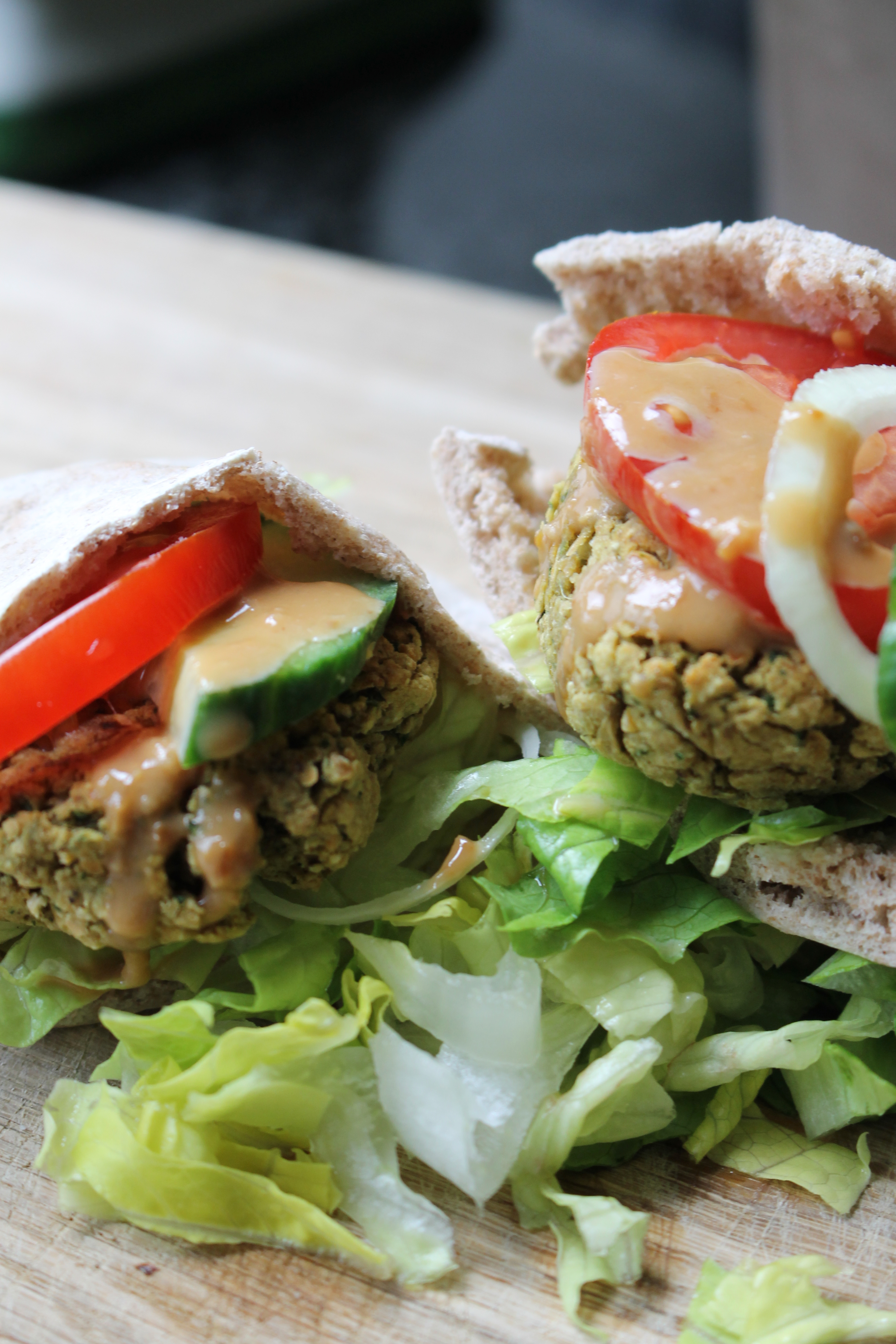
  7. Serve in pita bread/your choice of gluten free bread with generous amounts of shredded lettuce, sliced onion, tomato and cucumber and this heavenly dressing drizzled on top:
Tahini/miso dressing 
Ingredients:
  • 2 tbsp Tahini
  • 1-2 tsp brown rice miso paste
  • 2 tsp maple syrup
  • 4-5 tbsp of near-boiling water

Method:

  1. Add the tahini, 1 tsp of miso paste and the maple syrup to a mug.
  2. Start stirring in the water, one tablespoon at the time.  Note that the water mustn’t boil completely, in order to retain the wonderful enzymes in the miso paste.
  3. Keep adding water until you have a smooth dressing consistency.  You can add more miso for stronger flavour.
  4. Drizzle the dressing over your falafel creations and enjoy!  This makes a big batch of dressing so you will have plenty for many more days to come.
Falafel recipe
Yum!
Posted on

Celebrating the Healing Power of Garlic

The healing power of garlic

19th April marks National Garlic Day. To celebrate, we thought we would take some time to acknowledge the healing power of this versatile plant. Below is an excerpt from Nature Cures, a book by NH Hawes.

Garlic (Allium Sativa)

Native to central Asia, garlic is one of the oldest cultivated plants in the world and has been grown for over 5000 years. Ancient Egyptians appear to have been the first to cultivate this plant and it had an important role in their culture. It was revered and placed in the tombs of Pharoahs and also given to the slaves that built the Pyramids too enhance their endurance and strength.

The garlic bulb is a natural antibiotic, antimicrobial, antifungal, cleanser and antioxidant and aids the body’s natural ability to resist disease. Garlic has been used for expelling intestinal worms and parasites from ancient times by the Chinese, Greeks, Romans, Hindus and Babylonians. It is a natural anthelmintic and is especially useful against giardia, leishmania, plasmodium roundworms and trypanosomes.

Tips on Using Garlic

  • Always add crushed or chopped garlic at the end of cooking a meal to retain the powerful properties that prolonged heat can destroy
  • Never store garlic in oil at room temperature as this provides the perfect conditions for producing botulism, regardless of whether the garlic is fresh or has been roasted.
  • Garlic should be avoided by persons diagnosed with lupus (systemic lupus erythematosus)

Ailments Garlic Can Help to Treat and Protect Against

  • Anaemia
  • Arthritis
  • Asthma
  • Bacterial infections
  • Bronchitis
  • Cancer
  • Colds
  • Colitis
  • Colon Cancer
  • Diarrhea
  • Digestive disorders
  • Fever
  • Food poisoning
  • Herpes
  • High Blood Pressure
  • Influenza
  • Liver disorders
  • Nasal and sinus congestion
  • Parasites and worms
  • Poor circulation
  • Prostate disorders
  • Renal cancer
  • Toothache
  • Tumours
  • Whooping cough
  • And many more…

To learn more about garlic and other natural food remedies, check out Nature Cures by NH Hawes.

Posted on

‘Tis the season: Two festive paleo pudding recipes

Festive-paleo-pudding-recipe

Christmas can be a tricky time to try and stay healthy. Author and naturopathic health practitioner Eve Gilmore puts a paleo twist on a couple of classic festive rice pudding recipes, guaranteed to be a favourite with all the family this Christmas.

‘Rice’ pudding with hot cherry sauce

This is a traditional Christmas pudding in Germany and Scandinavia.
Ingredients:
Serves 6–8 depending on the size of your ramekins

  • 2-3 packets konjac ‘rice’ noodles
  • 1½ tins/600 ml/150g coconut cream
  • 1 tsp vanilla extract or seeds from 1 vanilla pod
  • ½ tsp Luo Han Guo, stevia or maple syrup, or 1 dsp Palmyra Jaggery, to sweeten
  • Large bag of fresh cherries, stones removed
  • 1 dsp kuzu

Method:
Rinse and drain the konjac ‘rice’ as directed and place in a serving dish.  Mix the vanilla and sweetener into the coconut cream and stir into the noodles. Place the mixture in the fridge to chill.  Stone the cherries and place them in a saucepan with a little water and sweetener, into which you have stirred enough kuzu to thicken the mixture. Bring to the boil and simmer, stirring occasionally, for 15 minutes, until glazed and thickened. Serve the cold rice pudding in the ramekins and spoon the hot cherry sauce on top.

Aromatic ‘rice’ pudding

Ingredients:
Serves 6

  • 4 packets Miracle Noodles ‘rice’
  • 2 tins/800ml/200g coconut cream
  • Seeds from 10-12 cardamom pods, crushed in a pestle and mortar
  • Seeds from 1 vanilla pod
  • 1 cinnamon stick, broken into three
  • 1 tsp nutmeg
  • 4 free-range egg yolks
  • ½-1tsp Luo Han Guo or stevia,   or 1dsp Palmyra Jaggery or maple syrup, to sweeten
  • Ghee, goat’s butter or coconut oil, to taste – makes it creamy

Method:
Using a heavy-bottomed pan, warm the spices together, including the vanilla seeds but using only half the nutmeg. Whisk the egg yolk, butter, sweetener or stevia, fat, rose water and coconut cream together and add to the spices. Bring to boiling point, stirring until thickened into a custard. Rinse and drain the ‘rice’ and pat dry. Mix the ‘rice’ into the pan.

This extract was taken from “The Urban Caveman” by Eve Gilmore.

Posted on

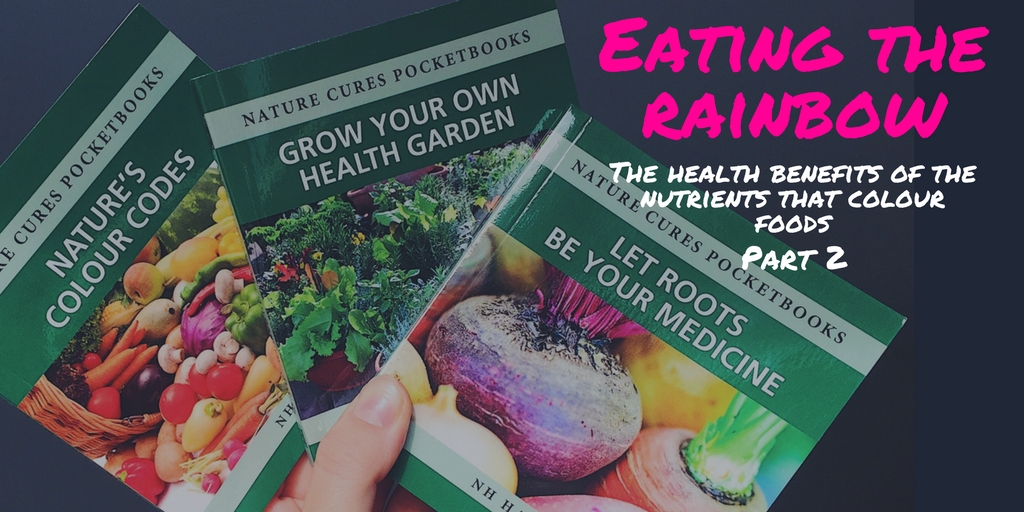
Eating the rainbow part 2: The health benefits of the nutrients that colour foods

health-benefits-of-the-nurtients-that-colour-food

The following list of nutrients in foods, that produce their colours, is by no means complete as more are being discovered all the time.  However, it provides the reader with some reasons why the consumption of colourful foods is vital for ultimate health.

Anthocyanins (blue to black)
Anthocyanins are a water-soluble bioflavonoid pigment and the colour will depend on the pH of the solution they are in. They are red when the pH is below three (highly acid), blue at pH ghihger than 11 (very alkali) and violet a neutral pH 7.
Bioflavoniods have been found to help slow down age-related motor changes, such as those seen in Alzheimer’s or Parkinson’s disease, prevent the oxidisation of certain compounds and fight attacks on the body from harmful chemicals.
They also increase vitamin C levels within cells, decrease the breakage of small blood vessels, protect against free-radical damage and help prevent destruction of collagen by helping the collagen fibres link together in a way that strengthens the connective tissue matrix. They also reduce blood glucose levels and improve insulin sensitivity due to the reduction of retinol-binding-protein-4 so are useful in preventing diabetes and can help with treating obesity.

Anthoxanthins (cream and white)
Anthoxanthins are water-soluble pigments which range from white or colourless to a creamy yellow and red, often in the petals of flowers. These pigments are generally whiter in an acid medium and yellower in an alkaline medium. Consuming foods rich in anthoxanthins has been found to reduce stroke risk, promote heart health, prevent cancer and reduce inflammation.

  • Those undergoing treatment for complex corneal diseases, whose underlying eye health condition is caused or aggravated by inflammation, might find increased symptom relief by including more anthoxanthin-rich foods in their diets.

Astaxanthin (red)
Astaxanthin is the most powerful antioxidant to man and is capable of crossing the blood/brain barrier to protect the brain cells from free radicals. It also increases the activity of the liver enzymes that detoxify carcinogens and stimulates and enhances the immune system.

Betalains (orange and yellow and blue to black)
Betalains are found in the petals of flowers, but may colour the fruits, leaves, stems and roots of plants that contain them. Betalains are aromatic indole derivatives synthesised from the amino acid (building block of proteins) tyrosine. There are two categories, Betacyanins (red to violet) and Betaxanthins (yellow to orange). Betalains provide a higher antioxidant value than most other vegetables containing beta-carotene and have anti-inflammatory anti-cancer and detoxifying properties and support the making of red blood cells.

Health benefits of betaxanthins

  • Stop the spread of cancerous tumours
  • Prevent diseases of liver, kidney and pancreas
  • Help reduce ulcers in the stomach
  • Strengthen the lungs and immune system
  • Improve vision and are good for treating eye redness
  • Reduce pain after intense physical training and also menstrual pain
  • Eliminate hard stools and prevent constipation
  • Positively affect the colon
  • Regulate high blood pressure
  • Eliminate bad breath
  • Help to treat acne and create healthy skin.

Health benefits of betaxanthins

  • Can cross the blood-brain, eye and spinal barriers to help arrest free-radical damage in cell membranes, mitochondria and DNA
  • Enhance immune cell strength and antibody activity
  • Improve gastrointestinal health
  • Improve cognitive function
  • Help to maintain peak performance in athletes
  • Protect the heart.

Carotenoids (deep green, yellow, orange and red)
The carotenoids are a group of more than 700 fat-soluble nutrients. Many are proving to be very important for health. They are categorised as either xanthophylls or carotenes according to their chemical composition. These compounds have the ability to inhibit the growth of many pre-cancerous tumours.

  • Carotenoids act as antioxidants. Alphacarotene, betacarotene and cryptoxanthin are types of carotenoids, and the body can convert all of these to vitamin A which helps keep the immune system working properly and it is needed for eye health.
  • Other types of carotenoids are lutein and zeaxanthin and, when consumed regularly, protect the retina from damage caused by the sun’s harmful UV rays and high-energy visible light. Lutein and zeaxanthin can also reduce the risk of cataracts later in life.
  • These antioxidants also have the ability to protect cells and other structures in the body from the harmful effects of free radicals.
  • Lutein can also help to reduce the risk of breast cancer and heart disease and supports healthy skin, tissue, blood and the immune system.
  • Lycopene is the bright red carotenoid that is found in fruits and vegetables. Consuming lycopene regularly helps to reduce the risk of heart disease and stroke, cancers of the prostate, stomach, lungs and breast, and osteoporosis, and protects LDL cholesterol from oxidation, which prevents heart disease.

Chalcones (yellow), Chlorophyll (green), Curcumin (yellow), and Flavins (pale-yellow and green fluorescent) are further nutrients founds in foods that produce their colours. For more information on these nutrients, you can purchase the book here.

This extract was taken from “Nature’s Colour Codes” from the Nature Cures pocketbook series by Nat H Hawes.


Posted on

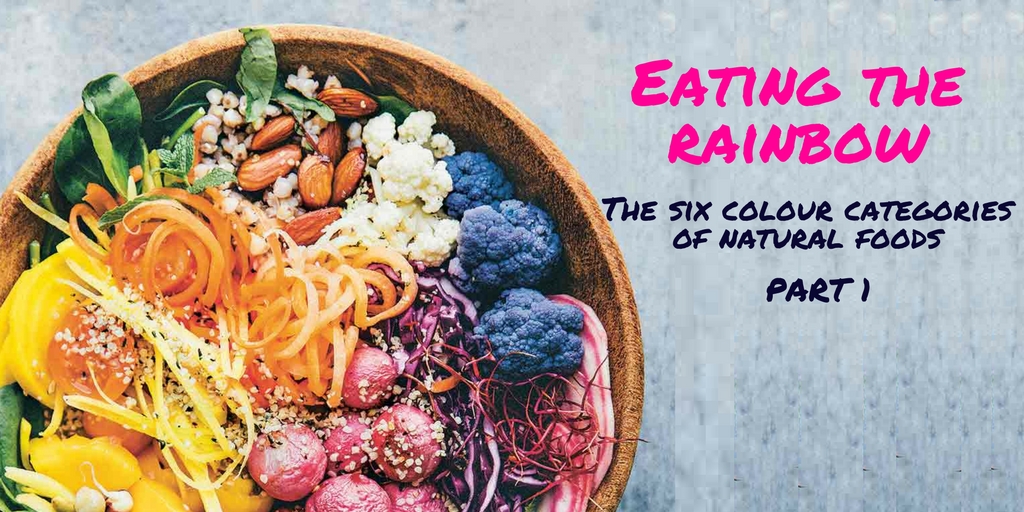
Eating the rainbow part 1: The six colour categories of natural foods

eat-the-rainbow

Why we should “eat the rainbow”
Nature’s colours give strong clues about the nutrient content of foods which we should not ignore. For instance; beetroots are rich in betacyanins and iron which gives them their deep red colour and provides the essential ingredients for optimum health. Iron is essential to the production of red bloods cells that carry vital oxygen to all parts of the body and betacyanins have a whole host of amazing health benefits.
Some vegetables contain more than one colour. For instance, spring onions have green leaves and white roots. This means there are the nutrients associated with both these colours present so the whole of the plant should be eaten and will provide the nutrients listed for green and white below. The same goes for beetroot and beetroot leaves and turnips and their leaves.
Some vegetables, fruits and nuts contain different healthy nutrients in both their flesh and skins so both should be consumed. Apples, aubergines, potatoes and sweet potatoes are examples. Orange, lime and lemon peel has powerful antioxidant properties and can help to protect the brain and heart and therefore should be included in the diet. Skins should only ever be discarded if they are completely inedible, such as those of bananas, watermelons or pumpkins.
The colour of foods can also indicate the ripeness, which again has an impact on the nutritional content. For instance, green unripe bananas are richer in resistant starch and fibre than ripened yellow bananas while Japanese scientists have found that a fully ripe banana produces a substance called tumour necrosis factor (TNF). This compound has the ability to combat abnormal cells and protect against cancer. They discovered that as the banana ripens and develops dark brown and black spots and patches on its skin, the concentration of TNF increases. They say that the degree of anti-cancer effect corresponds to the degree of ripeness of the fruit.

The six colour categories of natural foods
Choose at least one small serving of each of the following six colour categories each day if you can. Make two of them fruit and four of them vegetables and at least one should be a leafy green.
• Green
• Orange/yellow
• Red
• Black/blue/purple/violet
• Cream/white
• Brown/gold

1. Green
Chlorophyll and carotenoids give the green pigment found in: apples, alfalfa, algae, artichoke (globe), ashitaba, asparagus, avocado, bell peppers, broad beans, broccoli, Brussel sprouts, cabbage, celery, chilli peppers, chives, chlorella, cress, courgettes, grapes, olives, herb leaves, kale, kiwi fruit, lettuce, lime and peel, mung beans, okra, peas, pumpkin seeds, rhubarb, rocket, runner beans, seaweed, spinach, spirulina, spring onions, watercress, winged beans and sprouted seeds, grains, nuts and legumes,

2. Orange and yellow
Curcumin gives turmeric its yellow colour and anthoxanthins, betaxanthins, carotenoids and/or chalcones give the yellow and orange colours found in: apricots, bell peppers, butternut squash, carrots, chick peas, chilli peppers, corn, ginger, lemons, lentils, mango, oranges, papaya, peaches, pineapple, prickly pear, pumpkin, swede, sweet potato, tangerines, turmeric, the peel of yellow and orange citrus fruits and whole grains.

3. Red
Anthoxanthins, betacyanins, carotenoids and/or lycopene provide the red pigment in: apples, asparagus, bell peppers, cabbage (red), cherries, chilli peppers, cranberries, goji berries, grapefruit (pink), grapes (red and black), guava, oranges (blood), pears (red), mung beans, persimmons, pinto beans, prickly pear, radishes, raspberries, rhubarb, red chokeberry, kidney beans, onions (red), pomegranates, rose hips, saw palmetto berries, strawberries, sumac, Swiss chard, tomatoes and watermelon.
Astaxanthin causes the pink/red colour in seafood, such as lobster, prawns, salmon and shrimp. The highest concentration is found in red krill oil. (Note that in farmed salmon the pink colour is produced by feeding them with lab-produced astaxanthin as they would otherwise be grey).

4. Black blue, purple and violet
Anthocyanins and betacyanins (never together) give the blue to black colours and are often most concentrated in the skins and/or stems of food crops such as: acai berry, purple aubergine, beetroot, bilberries, black bananas, black beans, blackberries, black chokeberry, blackcurrants, black tea, blueberries, broccoli (purple variety), cherries, chokeberries, cranberries, dates, elderberry, figs, black grapes, black olives, kidney beans, maqui berries, mulberries, onions (red), navy beans, plums, poppy seeds, potatoes (red-skinned), prickly pear, prunes, purple broccoli tops, radishes, raisins, sweet potato (skins), Swiss chard and winged beans.

5. Cream and white
Anthoxsnthins give the cream and white colours found in: white aubergines, just-ripe bananas, Brazil nuts, butter beans, cauliflower, celery, chestnuts, coconut, garlic, Jerusalem artichoke, leeks, macadamia nuts, mung beans, mushrooms, navy beans, onions, parsnip, peanuts, pecans, pine nuts, pistachios, potatoes, radishes, soya beans, spring onions and turnips.

6. Brown and gold
Brown and golden foots can contain a variety of the above pigment nutrients. Examples include: brown rice, cocoa beans, dates, mushrooms, nuts, potato skins, seeds and whole grains.

This extract was taken “Nature’s Colour Codes” from the Nature Cures pocketbook series by Nat H Hawes.

Posted on

The Urban Caveman: Winter Warmer Recipe

Paleo-winter-recipe

Looking for ways to stay healthy this winter? Extracted from “The Urban Caveman” by Eve Gilmore, these two paleo-inspired recipes will undoubtedly be the perfect fix for a cold winter’s night.

Slow-cooked winter warmer
Ingredients:
Serves 6-8

  • 3kg/3lb brisket or silverside joint
  • Himalayan salt
  • 1 ½ tsp cayenne pepper
  • 2 tbs coconut oil or goose fat
  • 50g/2oz steaky bacon, diced
  • 2 cloves garlic, finely chopped
  • 2 onions, chopped
  • 2 large carrots, chopped
  • 1 stalk celery, chopped
  • 1 small celeriac, peeled and diced
  • 275ml/ ½ pint hot beef stock
  • 1 x 400g tin chopped tomatoes
  • 2 bay leaves
  • 2 tbs freshly chopped parsley

Method:
Pre-heat your slow cooker to High.
Place the beef on a chopping board and make several slashes over the surface, but don’t cut the butcher’s string.
Season with salt and dust with cayenne pepper on both sides.
Heat the oil and brown the beef with the bacon.
Transfer to the slow cooker, turning to Low.
Next, fry the garlic, onion, carrot, celery and celeriac in the same pan for a few minutes.
Add the stock, chopped tomatoes and bay leaves.
Bring to the boil and reduce the stock by about a third.
Transfer to the crock pot and cook on Low for six to seven hours.
Cut the meat into slices to serve.
Garnish with parsley and serve with cauliflower cheese.
Winter warmer stewed apples
This is good for gut health and for soothing an inflamed digestive system.
Ingredients:
Serves 4-6

  • 6 cooking apples, diced
  • 2 tsp ground cinnamon
  • A little sweetener of choice
  • A little water
  • Urban Caveman coconut yoghurt, to serve

Method:
Add all the ingredients except the yoghurt to a saucepan and stew until the apples are softened.
Serve warm with the yoghurt.

This extract was taken from “The Urban Caveman” by Eve Gilmore.


Posted on

Prevent and Cure Diabetes – The blood-sugar roller coaster

The blood-sugar rollercoaster

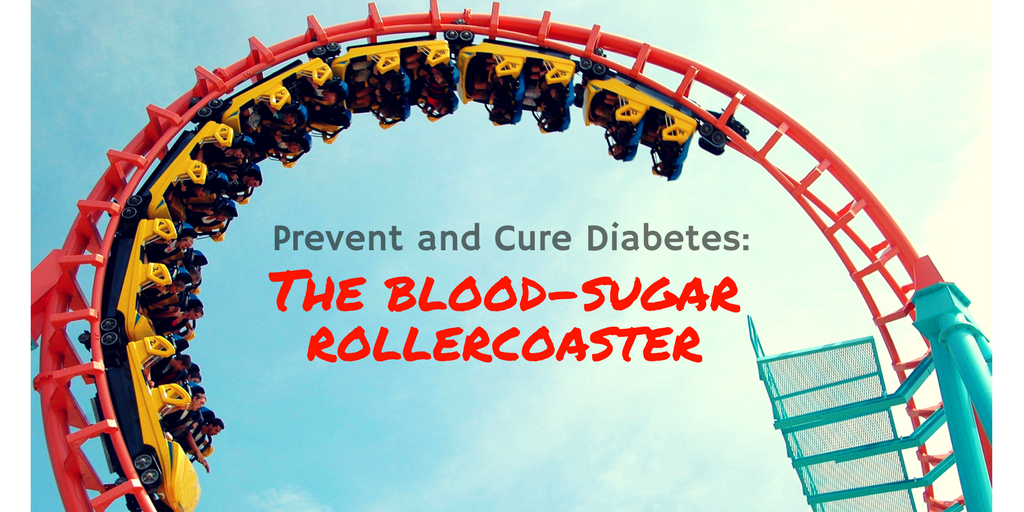
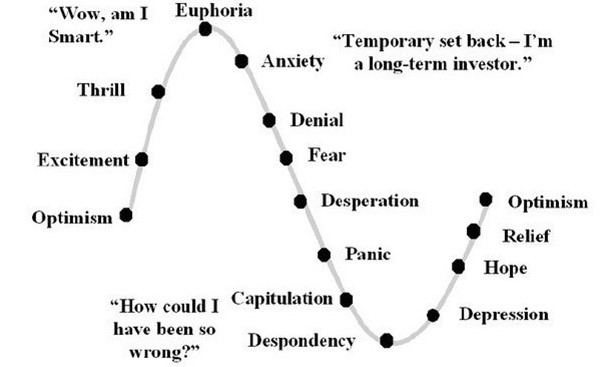
Sugar is extremely damaging to the body for many reasons. It is damaging to the body in high levels, it is damaging to the body in low levels, and the swinging of levels between the two is additionally damaging because of the hormonal response to those rapid changes. I call this the blood-sugar rollercoaster – it is often described as a ‘hypoglycaemic tendency’ (‘hypo’ meaning ‘below’, from the Greek) – but it is the whole rollercoaster that causes metabolic havoc – not just the dips. If we constantly eat carbohydrate foods, this is a rollercoaster which just keeps on going, and along with the metabolic havoc, there are associated mood swings which mirror the ride. These emotions are very similar to those documented by Barry Ritholtz, in his financial writings on the rollercoaster ride experienced by investors in risky stocks. People who are regularly feeling these emotions, and in particular are experiencing them cyclically, are most likely already on the blood-sugar rollercoaster: Returning to the medical case in point, in metabolic syndrome and diabetes any or all of the following problems can result. In each case, a description of the problem is followed by symptoms and diseases that may result from that problem, thereby giving clues as to whether this may be an issue in a particular individual.

The financial rollercoaster ride

The blood-sugar rollercoaster

The blood-sugar rollercoaster, as I explained earlier, is my name for the process of rapidly rising levels of blood sugar prompting a release of insulin and the ‘happy’ brain neurotransmitters followed by rapidly falling levels of blood sugar causing a release of adrenaline. This combined effect switches on addiction. Wobbly blood sugar levels are highly damaging because of their hormonal effects. These hormonal effects I suspect relate to the rate at which levels of sugar rise and fall in the bloodstream. As we lose control of our blood sugar, then eating a high-carbohydrate snack or meal will cause blood sugar levels to spike, and as blood sugar levels make this rapid rise there is an outpouring of insulin in order to protect the body from this dangerous (but addictive) sugar spike. Insulin brings the blood sugar level down by shunting it into fat. However, if this occurs quickly, then blood sugar levels fall precipitously and that results in an outpouring of adrenaline. Adrenaline is responsible for all the symptoms that we call ‘hypoglycaemia’.

Hypoglycaemia comes from the Greek words ‘hypo’ meaning low, ‘gly’ meaning sugar and ‘aemia’ meaning blood, and hence has a literal meaning of ‘low sugar blood’.

However, the term hypoglycaemia I suspect is a misnomer that relates to at least two issues. Firstly, adrenaline is released in response to poor fuel delivery (lack of sugar and/or ketones in the bloodstream). This means that, in the keto-adapted, the adrenaline symptoms do not arise because these people can switch into fat burning mode. Secondly, in those who cannot make this switch, it is not just the absolute level of blood sugar that causes the symptoms but also the rate of change; this means that often people who complain of hypoglycaemia wil d their blood sugar level is normal from a ‘snapshot’ blood-sugar test result. What they need is a ‘video’ of their blood sugar level changing over time to make the diagnosis. Consequences of the rollercoaster spikes in insulin and adrenaline include the following:

a.) High levels of insulin put us into a metabolic state of laying down fat, and prevent fat burning – this is the major problem of
metabolic inflexibility. It is almost impossible to lose weight when insulin levels are high. Furthermore this effect can be sustained for hours.

b.) High levels of adrenaline make us anxious, irritable and sleepless. This adrenaline release is a major cause of high blood pressure. Indeed, it astonishes me that doctors appear completely unaware of this link so that hypertension is described as ‘essential’ (of unknown cause) or ‘idiopathic’ (again, of unknown cause). They may accurately describe it as due to ‘stress’, but fail to realise the cause of this stress is actually nutritional stress due to loss of control of blood sugar levels.

Sugar has immediate effects on the brain, by various mechanisms, and this is partly responsible for why sugar is so addictive. For people who have lost control of their blood sugar, in the very short term, a carbohydrate rush, or ‘hit’, will have a calming effect which allows them to concentrate. Inspector Morse used the carbohydrate hit of a pint of beer to solve his murder mysteries – but ended up diabetic and died prematurely. Falstaff too found that alcohol had an inspirational effect.

‘It ascends me into the brain, dries me there all the foolish and dull and crudy vapours which environ it, makes it apprehensive, quick, forgetive, full of nimble, fiery, and delectable shapes, which delivered o’er to the voice, the tongue, which is the birth, becomes excellent wit.’  Act IV scene iii of Henry IV, Part 2 William Shakespeare (1564–1616)

Any parent will report how their child’s behaviour changes abruptly with a sugar hit and, much more noticeably, when blood sugar dives and they become irritable and moody. My daughters were often tired and irritable when they came in from school – it was not until supper that their normal good humour and energy were restored.

Problems with sugar – hyperglycaemia

Symptoms of blood sugar rising rapidly (due to the sugar hit and insulin) Diseases of blood sugar rising rapidly (due to the sugar hit and insulin)
Brain function improves – better concentration, feel calm, relief from depression.
Satiety
Triglycerides in the blood are high as insulin shunts excessive sugar into fat. 
Obesity and Inability to lose weight. (It is important to recognise that obesity is not the cause of diabetes but may be a symptom of metabolic syndrome – indeed, many people with normal weight have metabolic syndrome and diabetes.)

Problems with sugar – the rollercoaster

Symptoms of blood sugar falling rapidly (due to adrenaline release) Diseases of blood sugar falling rapidly (due to adrenaline release)
Acute anxiety and low mood.
Panic attacks.
Insomnia.
Shaking.
Palpitations.
Fearfulness.
Hunger and intense desire to eat.
Weakness.
High blood pressure.
 
Chronic high blood pressure.
Premenstrual tension.
Chronic anxiety.
Depression.
Eating disorders (anorexia and bulimia). Obsessive compulsive disorders.
Increased tendency to addiction – caffeine, chocolate, nicotine, cannabis, ‘social highs’, gambling, sexual perversions, exercise.

You will again see the similarities between the mood changes here and those noted by Barry Ritholtz in his financial writings on the rollercoaster ride experienced by investors in risky stocks.

This extract was taken from Prevent and Cure Diabetes: Delicious Diets, Not Dangerous Drugs by Dr Sarah Myhill.