Posted on

Psoriasis: Natural Remedies

Natural remedies for Psoriasis

Psoriasis is a chronic skin disorder that affects 1% to 3% of the world’s population. It is characterised by periodic flare-ups of well-defined red patches covered by a silvery, flaky scale on the skin and the scalp. There are several variations of psoriasis, but the most common type is chronic plaque psoriasis. The exact cause is unknown, but it is believed that a combination of several factors contributes to the development of this disease. In a normally functioning immune system, white blood cells produce antibodies to foreign invaders such as bacteria and viruses. These white blood cells also produce chemicals that aid in healing and fighting infective agents. With psoriasis, though, special white blood cells called T-cells become overactive; they attack the skin and set off a cascade of events that make the skin cells multiply so fast they start to stack up on the surface of the skin. Normal skin cells form, mature and then are sloughed off every 30 days, but in plaque psoriasis the skin goes through this whole process in three to six days.

DAMAGE
Sometimes an injury to the skin can cause the formation of a psoriasis patch. This is known as the Koebner phenomenon, and it can occur in other skin diseases, such as eczema and lichen planus. It can take two to six weeks for a psoriasis lesion to develop after an injury. Types of damage that can trigger a flare include: abrasion – even mild abrasions; increased friction from clothing or skin rubbing against skin in folds, such as armpits or under breasts; sunburn; viral rashes; drug rashes and weather damage.

DIET
Alcohol, sugar, coffee, fatty meats, refined processed foods, additives and deficiencies in minerals and phytonutrients can induce attacks of psoriasis.

DRUGS THAT CAN INDUCE OR WORSEN PSORIASIS

  • Chloroquine – used to treat or prevent malaria.
  • ACE inhibitors – angiotens in converting enzyme inhibitors, used to treat high blood pressure. Examples include fosinopril, captopril, and lisinopril.
  • Beta-blockers – used to treat high blood pressure. Examples include metoprolol tartrate (Lopressor) and atenolol (Tenormin).
  • Lithium – used to treat bipolar disorder.
  • Indocin – an anti-inflammatory medication used to treat a variety of conditions, including gout and arthritis.

INFECTIONS
Infections caused by bacteria or viruses can cause a psoriasis flare. Streptococcal infections that cause tonsillitis, or strep throat, tooth abscesses, cellulitis, and impetigo, can cause a flare of guttate psoriasis in children. The human immunodeficiency virus (HIV) does not increase the frequency of psoriasis, but it does increase the severity of the disease.

PSYCHOLOGICAL STRESS
This has long been understood as a trigger for psoriasis flares, but scientists are still unclear about exactly how this occurs. Studies do show that not only can a sudden, stressful event trigger a rash to worsen; the daily struggles of life can also trigger a flare. In addition, one study showed that people who were categorised as ‘high worriers’ were almost two times less likely to respond to treatment compared to ‘low worriers’.

WEATHER
Weather is a strong factor in triggering psoriasis. Exposure to direct sunlight, which usually occurs in the warmer months, often improves the rash. On the other hand, cold, short days seen in the winter months can trigger the rash to worsen.

NATURE CURES FOR PSORIASIS
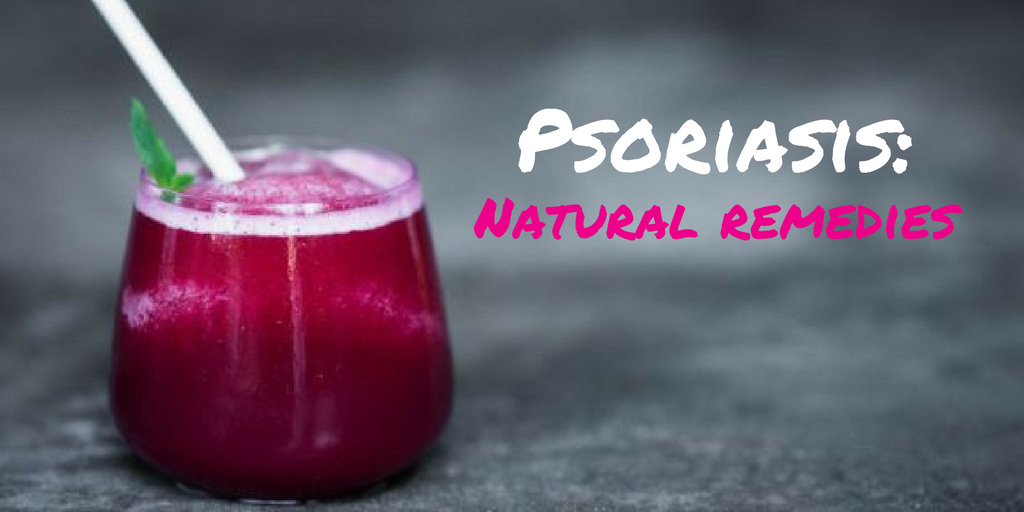
Raw juice therapy can effectively improve psoriasis. The best organic natural foods to juice are: apricot, beetroot, carrot, celery, cucumber, grapes, lemon, spinach and tomato.

EXTERNAL REMEDIES FOR PSORIASIS
The following can be used as external remedies for psoriasis: burdock root, Chinese rhubarb root, egg white (beaten to fluffy stage), mango, oats, parsley, pine needle tea bath and tamanu oil.


This extract was taken from Nature Cures by Nat Hawes. Check out her website at http://www.naturecures.co.uk/about.html
Posted on

Pumpkin Power: Your Halloween Health Kick

Pumpkin Recipes

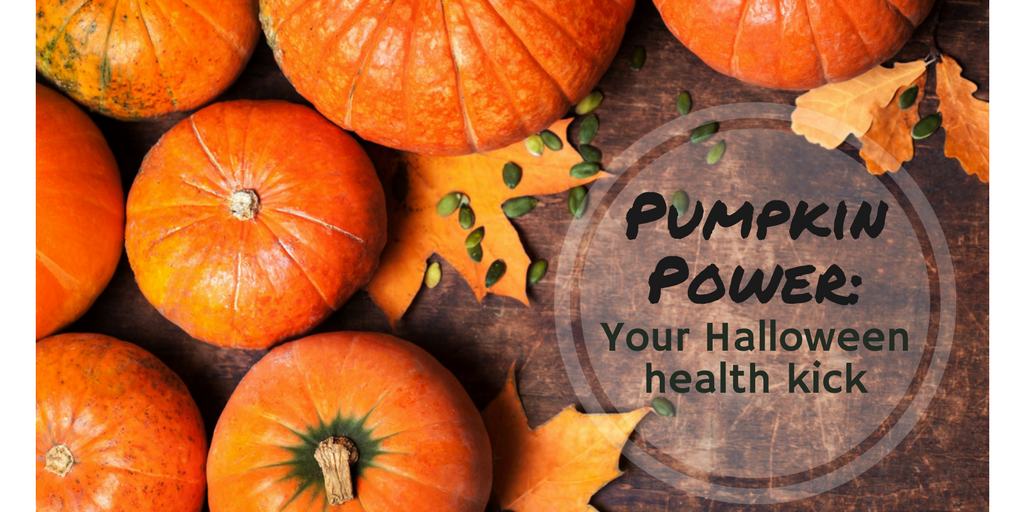
It’s the one and only time of year where we see hundreds of pumpkins lining supermarket shelves and garden paths, often with a rather wicked smile grinning back at you. But don’t be fooled, they’re actually one of the greatest superfoods out there. Pumpkin seeds are one of the best plant-based sources of zinc, which works wonders for the human body by improving the immune system, preventing osteoporosis and reducing cholesterol. Pumpkin seeds are also a fantastic source of protein, fibre and magnesium. They help with weight loss, relaxation and increased fertility in both men and women, and their high levels of L-tryptophan make them an effective mood booster – particularly useful as the cold weather sets in!

Extracted from her book, Love Your Bones, Max Tuck provides two delicious recipes to help you make the most of this Halloween superfood:


Pumpkin seed pesto

In this recipe pumpkin seeds replace the traditional pine nuts that can be so very expensive. For optimum nutrition and digestibility it is important to soak the pumpkin seeds for a few hours beforehand.

  • In a food processor mix all of the following to a smooth paste:

½ cup soaked pumpkin seeds

¼ cup water

The juice of ½ lemon

Optional: splashes of tamari or Bragg’s Liquid Aminos to taste

A medium clove of garlic

¼ cup of cold-pressed olive oil


  • Separately, chop a medium-sized bunch of fresh basil leaves very finely. Stir them into the pumpkin seed mixture or pulse for a second.
  • Serve the pesto stirred into pasta, preferably into ‘courgette pasta’ made from thin shavings of courgette cut with a potato peeler.


Pumpkin seed and walnut loaf

2 cups pumpkin seeds, soaked for six to eight hours

2 cups walnuts, soaked overnight

1 cup carrot, chopped

1 cup red pepper, deseeded and chopped

1 cup onion, diced

1 cup parsley, chopped

1 cup dried mushrooms

2 cloves garlic, crushed

1 tablespoon raw tahini (optional)

Sprig of parsley to garnish


  • Process the pumpkin seeds, walnuts and carrot in a food processor until smooth. Remove and place in a bowl.
  • Pulse the remaining ingredients except the parsley together in a food processor until they are of a chunky consistency. Place in the bowl with the pumpkin seed mixture and combine thoroughly.
  • Place on a serving dish and mould into the desired shape. Garnish with parsley.


These recipes were taken from Love Your Bones by Max Tuck.


Posted on

The PK Cookbook: PK bread recipe

PK Cookbook

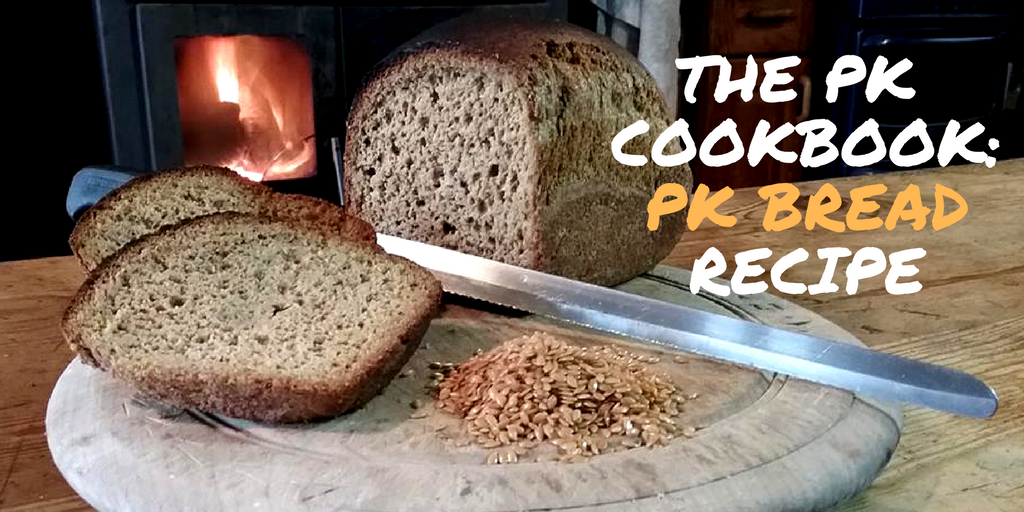
The single biggest reason for lapsing from the PK diet (Paleo-ketogenic) is the absence of bread. To secure the diet for life you must first make PK bread. I have searched and nothing is currently available commercially which passes muster. Loaves will become available as demand builds, but in the meantime you have to make your own bread. If you do not have the energy to do this yourself but have any friends or family offering to help you, then top of the list must be, ‘Please make my daily bread’. PK bread consists of just linseed, sunshine salt (see Chapter 13, page 93) and water.  Americans, and others, may be more familiar with linseed being referred to as flax or flaxseed or common flax. There is technically a subtle difference – flax is grown as a fibre plant that is used for linen.  Linseed is grown for its seed. The flax plant is taller than linseed and is ‘pulled’ by hand, or nowadays by machine.

How to make a PK bread loaf in five minutes

Please forgive the tiresome detail, but you must succeed with your first loaf because then you will be encouraged to carry on. I can now put this recipe together in five minutes (proper minutes that is – not the ‘and this is what I did earlier’ TV version). I have spent the last six months making a loaf almost every morning – there have been many revisions and the version below is the current recipe which I think is perfect!

Equipment needed:

  • Cooking oven that gets to at least 220 degrees Centigrade
  • Weighing scales
  • Nutribullet (or similarly effective grinding machine – do not attempt to do this with a pestle and mortar; I know – I have tried and failed)
  • Mixing bowl
  • A 500 gram (or one pound in weight) loaf baking tin
  • Measuring jug
  • Cup in which to weigh the linseed
  • Wooden spoon
  • Wire rack for cooling
  • Paper towels

Ingredients needed:

  • 250 grams of whole linseed (use dark or golden linseed grains)
  • One teaspoon of sunshine salt (can be purchased from www.sales@drmyhill.co.uk) or unrefined sea salt
  • Dollop of coconut oil or lard
Actions Notes
Take 250 grams of whole linseed You could purchase linseed in 250 gram packs and that saves weighing it. Use dark or golden linseed grains – the golden grains produce a brown loaf, the dark a black one.Do not use commercially ground linseed – the grinding is not fine enough, also it will have absorbed some water already and this stops it sticking together in the recipe.If you purchase linseed in bulk then you must weigh it really accurately in order to get the proportion of water spot on.
No raising agent is required.
Pour half the linseed into the Nutribullet/grinder together with one rounded teaspoon of PK ‘Sunshine’ salt (see page 93).
Grind into a fine flour.
Use the flat blade to get the finest flour.Grind until the machine starts to groan and sweat with the effort! You need a really fine flour to make a good loaf. This takes about 30 seconds.The finer you can grind the flour the better it sticks together and the better the loaf.I do this in two batches of 125 grams or the blades ‘hollow out’ the mix so that half does not circulate and grind fully.
Pour the ground flour into a mixing bowl.
Repeat the above with the second half of the seeds and add to the mixing bowl. Whilst this is grinding, measure the water you need.
Add in exactly 270 ml water (not a typo – 270 it is). Chuck it all in at once; do not dribble it in.Stir it with a wooden spoon and keep stirring. It will thicken over the course of 30 seconds.Keep stirring until it becomes sticky and holds together in a lump. The amount of water is critical. When it comes to cooking, I am a natural chucker in of ingredients and hope for the best. But in this case, you must measure.Initially it will look as if you have added far too much water, but keep stirring.
Use your fingers to scoop up a dollop of coconut oil or lard. Use this to grease the baking tin. Your hands will be covered in fat which means you can pick up your sticky dough without it sticking to your hands
Use your hands to shape the dough until it has a smooth surface.
Drop it into the greased baking tin
Spend about 30 seconds doing this. Do not be tempted to knead or fold the loaf or you introduce layers of fat which stop it sticking to itself. This helps prevent the loaf cracking as it rises and cooks (although I have to say it does not matter two hoots if it does. It just looks more professional if it does not!)
Let the loaf ‘rest’ for a few minutes …so it fully absorbs all the water and becomes an integral whole. This is not critical but allows enough time to…
…rub any excess fat into your skin, where it will be absorbed There is no need to wash your hands after doing this – the basis for most hand creams is coconut oil or lard. (Yes, lard. It amuses me that rendered animal fat is a major export from our local knacker man to the cosmetic industry.)
Put the loaf into the hot oven – at least 220°C (430°F) – for 60 minutes Set a timer or you will forget – I always do!I do not think the temperature is too critical – but it must be hot enough to turn the water in the loaf into steam because this is what raises it. I cook on a wood-fired stove and the oven temperature is tricky to be precise with. That does not seem to matter so long as it is really hot. Indeed, I like the flavour of a slightly scorched crust.
Wipe out the mixing bowl with a paper towel. This cleaning method is quick and easy. The slightly greasy surface which remains will be ideal for the next loaf. The point here is that fat cannot be fermented by bacteria or yeast and does not need washing off mixing and cooking utensils. My frying pan has not been washed for over 60 years. I know this because my mother never washed it either.
When the timer goes off, take the loaf out of the oven, tip it out and allow it to cool on a wire rack.
Once cool keep it in a plastic bag in the fridge.
It lasts a week kept like this and freezes well too.It is best used sliced thinly with a narrow-bladed serrated knife.

Fry your freshly made PK bread in coconut oil or lard and add the following for a delicious PK breakfast;

  • 2-3 boiled eggs
  • Smoked fish, tinned fish, tinned cod’s roe
  • Paté or rillette
  • Nut butter
  • Vegan cheese (check the carb content of this) and tomato
  • Coyo yoghurt

This blog was taken from Sarah Myhill and Craig Robinson’s new book The PK Cookbook

Posted on

So, what is the Paleo diet?

What is the paleo diet

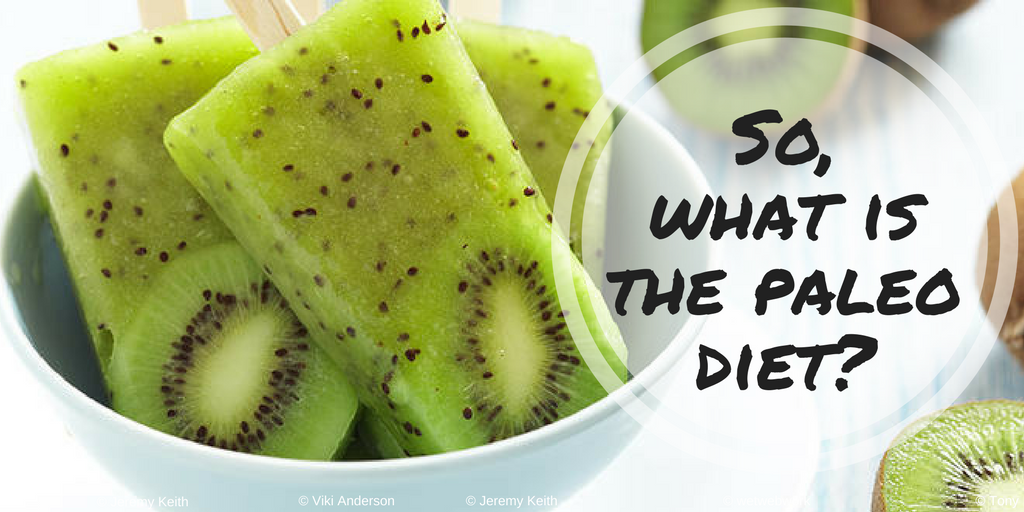
First, it is important to state there is no such thing as ‘the Paleo diet’ per se. Pre-agricultural diets were regionally variable and seasonally cyclical. In colder climates, they tended to be meat-based as the land was either under snow for much of the year or of poor quality and only suited to grazing. In warmer regions fewer red meats were eaten and fruits and plants dominated. Although the ancestral diet may have varied in content, it was more nutrient dense than that of today. So, although no standardised Paleo diet exists, the Paleo diet is usually defined by what it excludes, and is generally accepted as being, legume and dairy free.

It is thought that the advent of agriculture around 10,000 years ago marked the demise of the nomadic way of life, giving way to the cultivation of grains and legumes and the domestication of animals for milk. Archaeological remains suggest an abrupt decline in health at this time. Loss of stature, arthritis and other diseases associated with poor mineralisation seem to coincide with the introduction of grains into the diet. Ten thousand years might seem like a long time to those of us who hope to live to around 80 but is, in fact, the evolutionary equivalent of the ‘blink of an eye’, and would not have given us enough time to adapt.

However, there is archaeological evidence that some hunter-gatherers were eating grains much earlier than this. It seems the closer to the equator, the greater the intake of plant-based foods, which in some cases may have included wild grains. This may explain why gluten (and dairy) intolerance is more prevalent in colder latitudes, and why those with Scandinavian or north European ancestry are poorly suited to a vegetarian diet. What the hunter gatherer diet seemed to have in common was that they were highly nutritious and all contained meat or fish. They provided good levels of minerals, saturated fat and fat-soluble vitamins, with little or no grain or dairy and variable amounts of protein, most of which was derived from meat.

Much of the diet was raw which further increased the nutrient density and provided good levels of fibre. I suspect that rather than being historically accurate, the modern assumption that the Paleo diet was a high protein diet results from the misplaced fat and carb phobia diet that is still influencing nutritional thinking today. In fact, the food group most highly prized in the ancestral diet was saturated fat. Carbs have been given a bad press because they are nearly always derived from grains, a food group that causes problems in a number of people.

However, carbs from vegetables and fruits are much easier for the body to handle. A diet high in raw vegetables and salads does not have the same effect as a diet high in cereals, although both are high in carbohydrate. Whilst it may seem impossible to imagine a diet without grains, they are easily replaced by alternatives such as vegetable pastas, and coconut, seed and nut flours in baking and break making. Nuts can be fermented into cheeses, coconut cream into yoghurt and soft cheese, and the milk from nuts and coconuts can be made into delicious desserts and ice-creams, making Paleo eating varied and enjoyable.

What is also known about the Paleo diet is that it contained virtually no sugar. Refining has enabled us to concentrate sugars in quantities that our bodies are ill equipped to handle. For example, a soft drink contains the equivalent of eight and a half feet of sugar cane – an impossible quantity to get through in its unrefined state. The high proportion of carbohydrates in the modern diet compounds our inbuilt predilection for sweet foods.

Until technology got involved in food production, foods that were bitter were generally poisonous and those that were sweet were usually safe to eat, but that doesn’t apply today since many foods are laced with sugar, high-fructose corn syrup and artificial sweeteners – and they definitely aren’t safe to eat. Our first food, breast milk, contains a sugar called lactose and thus the early association between feeding and being loved is established before we are capable of conscious thought. Eating is associated with emotion, and this is one of the reasons sweet foods can be comforting, and why we can feel deprived and miserable when trying to give them up.

Despite their pervasive presence at nearly every meal today, in Europe and America grains were only elevated from animal fodder to dietary staple at the time of the industrial revolution, cultivating in us a taste for stodgy, high-carbohydrate foods, which has been a contributory factor to the obesity epidemic. The Arabic nations seem to have been eating grains the longest, and their wheat sensitivity and carbohydrate intolerance are rare. The rapid increase in degenerative disease that has characterised the last 100 years demonstrates that most of us have struggled to adapt. It is estimated that 80 per cent of cancers are related in some way to diet, and it is probably evident to you that much of the food we eat today could not be described as healthy.

In fact, much of it wouldn’t be recognised by even our recent ancestors. Not only are the foods themselves different – the result of selective cultivation or the products of technology – but the ratios of fat, protein and carbohydrate have been reversed. Fat phobia flourishes, and grains – previously dismissed as mostly animal feed, as I have said – now form the foundation of almost everything we eat. In addition, some of what passes for food isn’t food at all but a concoction of chemicals, conceived in the laboratory rather than grown on the land. Modern grass eaters, particularly cows, may not have had access to grass, and non-organic crops will have been forced to grow in demineralised soils, which is why today’s produce contains an average of 80 per cent less nutrients than it did only 50 years ago.

This blog is taken from Go Paleo – Feeding the Urban Caveman by Eve Gilmore. You can read the first chapter here!

Posted on

The Science of Stress Hormones

Stress Awareness Month

Exploring the role of hormones for Stress Awareness Month

There are two main hormones governing the stress reaction: cortisol and adrenaline. They work together to exert the ‘fear, fight or flight’ response that was first described in the scientific literature as long as 1936. This response gives a temporary increase in energy production, at the expense of processes that are not required for immediate survival. The resulting biochemical and hormonal imbalances should ideally resolve as soon as the danger is over, due to a hormonally driven negative feedback loop. The following is a typical example of how the stress response is supposed to operate as a survival mechanism:

* An individual is faced with a stressor

* A complex hormonal cascade ensures, and the adrenals secrete cortisol

* Cortisol prepares the body for a fight-or-flight response by flooding it with glucose, supplying an immediate energy source to large muscles

* Cortisol inhibits insulin production in an attempt to prevent glucose from being stored, favouring its immediate use

* Cortisol narrows the arteries whilst adrenaline increases heart rate, increasing the blood pressure and delivering more oxygen rich blood to the tissues

* The individual addresses and resolves the situation

* Hormone levels return to normal

Unfortunately, with our over-stressed, fast paced lifestyle, our bodies are pumping out cortisol almost constantly, which wreaks havoc on our health. In times of high stress the body will break down amino acids to form glucose through the process of gluconeogenesis (a physiological process via which proteins and amino acids are utilised, instead of glucose), to produce energy. Cortisol is the major stress hormone that promotes this process. Collagen, being a structural tissue made from protein, is one of the target areas for spare amino acids; the muscles are another. Chronically elevated stress levels increase collagen breakdown. Since collagen is the matrix upon which our bones are built, anything that is likely to break it down will have potentially serious consequences for the strength and integrity of the bones.

Cortisol primarily acts on the outer layer of the bone, known as the periosteum. Research has shown that elevated cortisol levels interfere with the formation of osteoblasts and cell proliferation. This dramatically decreases bone building and lowers bone density. Without adequate rest and repair, bone mineralisation and collagen formation will be reduced for the duration of the elevated stress.  The absorption of vitamin D is also adversely affected by high cortisol levels. This gives a double whammy in favour of bone loss.

Stress can rot your bones faster than a can of fizzy drink. Stress and the negative emotions that accompany it have been shown to have a chemical structure in our bodies. And guess what? That chemical structure is acidic! With all the emphasis I place on ensuring appropriate intake of alkaline minerals in earlier chapters, and the fact that increased acidity causes increased urinary calcium excretion, is it any wonder that for prevention and reversal of osteoporosis we absolutely have to take stress reduction seriously?

The power of exercise

My favourite way of combating the stress that often accompanies a bad day at work is to get out and go for a run, or go to a karate class. Both are also excellent ways of not only de-stressing the body but also improving bone strength. Exercise is a surefire way to de-fuse. It boosts the level of endorphins in the brain, morphine-like ‘happy hormones’ which are often depleted by our daily lives. Relaxation classes and guided meditation are well worth doing, as is a meditation based on love and compassion. Thoughts of love and compassion stimulate the production of a hormone called oxytocin, whose effects in the body work in the opposite way to those of cortisol. Oxytocin lowers the blood pressure and relaxes the walls of the arteries.

This blog is taken from Love Your Bones: The essential guide to ending osteoporosis and building a healthy skeleton by Max Tuck.

Posted on

Super Fruity Flapjack Recipe

Fruit is a great cleanser of the liver and blood and provides many essential nutrients, such as Vitamin C, which is required on a daily basis. Fresh or home-juiced fruit will aid in weight loss and improve metabolism and the immune system. Juicing one lemon and consuming the juice throughout the day in teas, on fish and salads and in drinks will give the system an enormous cleansing boost. Berries are also highly nutritious. Cherries are anti-inflammatory so can provide pain relief.

Most fruits are diuretic and have antibacterial, antifungal and antiviral properties so can relieve many ailments. They will also clean the blood, kidneys and liver, protect the heart, lungs and eyes, and clear the skin. Tangerines and raspberries possess properties which metabolise fat so can help with losing weight. Pineapple rehydrates the system so is good to consume after sweating or during fever. Try to eat at least three fruits of different colours every day.

Dried Fruit

This is an important part of the diet as it provides a concentrated form of fresh fruit’s nutrient and mineral content. Dried fruit can help avert cancerous tumours and aid digestion. One tablespoon of powdered maqui berry, from a reliable source, per day can help protect against cancer as it is very high in antioxidants. All dried fruits replenish energy and should be added to breakfasts, meals or eaten as snacks throughout the day instead of unhealthy, processed, sugary food bars. Making flapjacks with oats, honey, coconut, nuts, seeds and dried fruit can provide a way to stop hunger and revitalise the body instantly during the day. Consume a small handful of different dried fruits or a mix of them once or twice a day.

Healthy Heart Flapjacks

Flapjacks are a great way to gain the fibre and nutrients required throughout the day and this version also helps lower cholesterol, improve the digestive and immune system and nourishes and protects the bones, brain, eyes and heart. Because flapjacks take time to be digested, they will also stop hunger for a long time after consumption. They make a great breakfast, mid-morning or evening snack. Ingredients do not need to be measured exactly. Experiment and mix and match fruit, nuts and seed ingredients for personal taste and availability.

Ingredients

  • 500g porridge oats (other grains can also be added if required)
  • One table spoon of honey
  • One tablespoon of rapeseed oil
  • Juice of half a lemon
  • Quarter of a teaspoon of cinnamon
  • Quarter of a teaspoon of nutmeg
  • One tablespoon of maqui berry powder
  • Pinch of ground unrefined sea salt
  • Five stoned and chopped dates
  • One handful dried chopped apricots
  • One medium peeled mashed banana
  • One small handful of raisins
  • One tablespoon of dried goji berries
  • One small handful of chopped nuts (almonds, hazelnuts, walnuts etc.)
  • One small handful of mixed seeds (flaxseeds, hempseeds, poppy, pumpkin, sesame, sunflower and watermelon)
  • One tablespoon desiccated coconut

Any or all of the following but add more oats to the mixture so it is not too wet

  • One handful of stoned cherries
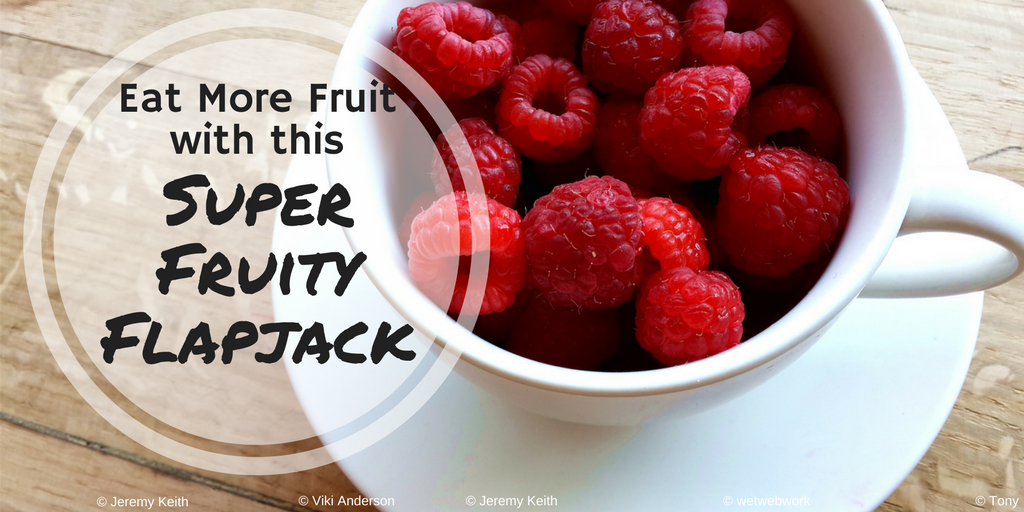
  • One handful of raspberries
  • One handful of cranberries or blueberries

Method

  • Preheat the oven to 350°F 180°C/160°C fan, Gas 4
  • Place all ingredients (except berries and cherries) into a food processor and mix to a very stiff paste-like consistency
  • If too dry add a little water and mix further
  • If too wet add more oats
  • Then add the cherries and berries gently folding them into the mixture
  • Press the mixture into a non-stick (rapeseed oil greased) shallow baking tin or tray
  • Bake for 30 to 45 minutes until set with a brown crispy top. Use a skewer to test the middle. It may take longer if fresh fruit has been added
  • Take out of the oven and cool slightly before cutting into portion sizes then leave to get cold in the tray. Store in a sealed container in the refrigerator.

Nutrients and Benefits of The Flapjack Ingredients

  • Apricots (protects the heart and eyes)
  • Bananas (adds fibre and potassium)
  • Cherries (adds anti-inflammatory pain relief especially sour cherries)
  • Coconuts (adds lots more fibre and has antimicrobial, antifungal, antivirus and rehydrating properties)
  • Cranberries and blueberries (protects the eyes, liver and the whole body against arthritis, cancer and urinary tract infection)
  • Dates (protects against heart and eye diseases)
  • Lemon (adds vitamin C, cleanses the liver, pancreas and intestines and helps with weight loss)
  • Raisins (protects against heart disease and arthritis)
  • Raspberries (increases metabolism of fats)

This recipe and blog is taken from Nature Cures: The A to Z of Ailments and Natural Foods by Nat H Hawes. For more natural nutrition and home remedies from Nat visit Nature Cures.

Posted on

Spotting the Signs of Emotional Eating

For many who are compulsively driven to eat for emotional reasons, not hunger, food has become a manifestation of self-loathing and a complex method of self-harming, or even a way of failing to thrive. These people crave food, avoid food, binge on food and obsess about food. Thinking about food fills their every waking moment. Food has become a way to celebrate and commiserate with themselves. In fact, it is their everything – except a natural way to sate hunger or be a source of healthy nourishment.

Typically, emotional eaters feel their appetite for food is out of their control and is counter to their heart’s desire to be slimmer than they are. They feel their inability to resist their food cravings proves how worthless they are as they trade their dreams of being slimmer for swallowing down foods they consider to be ‘bad’ or ‘forbidden’. They also often believe that the excess weight they carry is their own personal failing and visible proof for all to see that they are weak, inadequate or just plain greedy. The story they tell themselves continues with the common beliefs that if they were stronger, or had more will-power, or were simply just ‘better people’, then they would find it easy to manage their weight-versus-food-intake without the daily time-consuming over-thinking that they endure.

Every emotional eater has his or her own unique set of circumstances and history, but there are often similarities in thinking and in the belief system that defines each emotional eater. For instance, emotional eaters judge themselves harshly and their self-talk – the quiet voice that everyone hears within their own mind – is particularly critical and unforgiving. We also understand that emotional eaters can be triggered to binge eat when experiencing negative or challenging emotions, such as loneliness, sadness or anger.

Disordered thinking around food that emotional eaters may experience makes it particularly challenging to establish a nutritionally balanced way of eating that can be sustained for the long term. This is particularly true for those who are attempting to stabilise their weight after years, or possibly even decades, of yo-yo dieting.

Emotional eaters do not generally fare well following a type of diet that brings any of the following circumstances into play:

1. Diets that promote low-calorie eating to a level that induces hunger can quickly feel unendurable and trigger strong self-sabotaging behaviour.

2. Diets that rely on low-fat foods to restrict calorie consumption can increase the occurrence or severity of low moods, even to the risk of increasing the incidence of depression.

3. Diets that replace foods containing real sugars with chemical sweeteners can still spark compulsive sugar cravings and out-of-control bingeing.

4. Diets that replace meals with fake-foods, such as shakes, snack bars, instant soups or variations on this theme, often fail for emotional eaters when they are challenged with the inevitable reintroduction of real food.

5. Diets that promote or exclude whole groups of food, impose excessive or irrational rules or demand a specific cooking methodology can all help encourage unhelpful over-thinking about food that emotional eaters are already prone to. This includes the eating of only ‘free-from’ foods, including gluten-free (without a confirmed medical need), or following a strict macrobiotic diet, or eating only raw foods.

Do you obsessively follow all the latest healthy eating crazes, or recognise other symptoms of emotional eating? Read more from Sally Baker and Liz Hogon in their books How To Feel Differently About Food and 7 Steps to Stop Emotional Eating.

Sally Baker will be speaking at The Best You Expo at ExCel in London on 4th March 2017.

This blog is adapted from How To Feel Differently About Food by Sally Baker and Liz Hogon.

Posted on

Is it ‘just’ indigestion?

Indigestion is that uncomfortable feeling most of us have experienced at some point in the upper abdomen or lower part of the chest – usually after eating or drinking (but not always). The official medical definition is upper abdominal discomfort or pain that may be described as a burning sensation, heaviness or an ache. It is often related to eating and may be accompanied by other symptoms, such as nausea, fullness in the upper abdomen or belching. It’s usually worse if you lie down directly after eating a heavy meal.

Other names for indigestion include dyspepsia and acid reflux or heartburn. It is basically an inflammation of the gullet (oesophagus) – the long pipe that runs from the mouth to the stomach. Indigestion is so common most people will have experienced it at some time and it’s usually more of a fleeting inconvenience than a major health problem. Most people don’t see their doctor about it and either grin and bear it or simply treat it themselves with remedies they can buy over the counter from a chemist. Only a quarter of people who suffer indigestion see their GP about their symptoms and about 10 per cent of these consultations will be referred for further investigations.

Indigestion is rarely a symptom of a serious underlying medical condition (but if you are worried check out our list of reasons for an urgent referral, below). In people who have an endoscopy to investigate their indigestion, 30 per cent will have no abnormal findings and 10 to 17 per cent will have oesophagitis (inflammation of the oesophagus) and the rest will have gastric or duodenal ulcers, gastritis, duodenitis (inflammation of the duodenum) or hiatus hernias, according to the British Society of Gastroenterology.

But, having said that, we’re not saying indigestion can’t still affect your quality of life and be a pain to deal with. If you’re one of the unfortunate ones who suffer from recurrent severe bouts of indigestion, Chapter 8 in What’s Up With Your Gut may help you get to the root of what’s causing your symptoms, help you find some long term relief and enable you to enjoy your food again.

Symptom Checker

If you have one or more of the following symptoms, you may have one of the conditions discussed in this blog.

  • Burning sensation, fullness, heaviness or ache in upper abdomen or lower chest
  • Burning, griping pain in the abdomen, lower gut and back
  • Sharp, persistent pain at the top of the stomach or above ribs on right
  • Bitter taste in the mouth
  • Nausea, vomiting
  • Bloating
  • Belching and burping
  • Lump in your throat
  • Tickly cough

What causes indigestion?

Diet

Most people associate indigestion with overdoing it, with a big meal, sometimes with a high fat or spice content – creamy curry sauces and dishes containing chilli for instance. You might also notice that particular foods can trigger your symptoms, including curries, fatty foods, citrus fruits, bananas and cucumbers – it’s very individual though. Sometimes however, it can be down to something simple such as eating too fast or too close to bedtime. Drinking too much alcohol, or caffeine in coffee, tea and chocolate may have a similar effect.

Drug side effects

There are many other causes of indigestion and sometimes the cause isn’t so obvious. These other causes include the side effects of drugs, including non-steroidal anti-inflammatory drugs (NSAIDs) taken to relieve the pain of arthritis (such as ibuprofen and aspirin) and nitrates prescribed for angina for instance.

Acid reflux or GORD

A major cause of recurring indigestion is acid reflux, or gastro-oesophageal reflux disease (GORD), which is caused by the sphincter in the oesophagus failing to close and prevent

large amounts of stomach contents, including acid, moving back up from the stomach and causing irritation and inflammation in the oesophagus. The inside of the oesophagus has a protective lining but it can become irritated and inflamed by stomach acid. If the lining becomes ulcerated by the stomach acid, it causes a condition called oesophagitis. Sometimes stomach acid can escape back up from the stomach to the oesophagus due to gastric and duodenal ulcers (known collectively as peptic ulcers), which are sores which develop in the lining of the stomach or duodenum. Peptic ulcers can be caused by a bacterial infection called Helicobacter pylori.

Another cause of GORD is hiatus hernia – where part of the stomach pushes up through the diaphragm (the sheet of muscle between the abdomen and the chest, needed for breathing), partially blocking refluxed stomach acid in the oesophagus. Being overweight or obese (including weight gain due to pregnancy) will make it more likely you’ll suffer from acid reflux – obesity causes more pressure in the abdomen which forces acid back up into the gullet. This is also true if you are constipated or wearing clothes with a tight waistband. Chemicals in cigarette smoke can also relax the ring of muscle that divides the stomach from the oesophagus and make it easier for stomach acid to escape back into the gullet, causing acid reflux/heartburn symptoms. Stress and anxiety are also believed to play a part in indigestion, as is increasing age.

If you have some of the ‘alarm bell’ symptoms described below you should be considered for urgent endoscopy referral rather than taking any prolonged treatments which may mask the symptoms of a more serious illness.

Reasons for an urgent referral

NICE advises that:

  • people with an upper abdominal mass require urgent referral for endoscopic investigation (an appointment within two weeks) [National Collaborating Centre for Cancer, 2015].
  • urgent direct access upper gastrointestinal endoscopy should be performed within two weeks to assess for stomach cancer in people with dysphagia (swallowing problems) or aged 55 and over with weight loss and any of the following: upper abdominal pain, reflux, dyspepsia.
  • referral for non-urgent direct access upper gastrointestinal endoscopy should be considered to assess for stomach cancer in people with haematemesis (vomiting blood) and in people aged 55 or over with treatment-resistant dyspepsia, upper abdominal pain with low haemoglobin levels, or raised platelet count with any of the following: nausea, vomiting, weight loss, reflux, dyspepsia, upper abdominal pain; or nausea or vomiting with any of the following: weight loss, reflux, dyspepsia, upper abdominal pain [National Collaborating Centre for Cancer, 2015].

If you’re struggling with indigestion don’t panic, but don’t let it ruin your life. If you have any doubts at all about whether your indigestion might be something more serious, visit your doctor and tell them ALL the symptoms.

What’s Up With Your Gut is available now as paperback and ebook.

Posted on

UK Blog Awards for Health & Social Care

The UK Blog Awards 2016 are now open for nominations, and we’re hugely pleased to announce that Hammersmith Health Books will be sponsoring the Health & Social Care category.

We love the variety and quality of blogs on all aspects of health and caring in the UK, and the UK Blog Awards are a fantastic opportunity to give much needed recognition to the blogs that mean the most to their readers. We’re so excited to be involved!

Nominated blogs pass a public vote round before the final awards are decided by specialist judging panels for each category. This year, our founder and director Georgina Bentliff will be on the Health & Social Care judging panel.

All short listed blogs will gain exposure and reach new audiences, as well as having the chance to connect with more brands.

The UK Blog Awards were created in 2014 to recognise true viral style and creative excellence across 16 UK industries, as well as awarding two sub-categories: Best Storyteller and Most Innovative award. The awards are more than an event, but a digital outreach platform that connects blogs with brands. There will also be Blog of the Year Award, sponsored by Odeon, giving winners from each category the chance to win extra prestige in the blogging community.

We’ve also teamed up with Action PR to co-host a blogger event in London where hopeful award winners can learn more about what the judges will be looking for, and network with brands and other bloggers. There’ll be a selection of our books available for bloggers to take away and read on health issues from chronic fatigue to irritable bowel syndrome, dementia care to vegan food, and everything in between.

If you’d like to follow some of our authors’ blogs check out:

Max Tuck, The Raw Food Scientist, author of Love Your Bones and The Whole Body Solution

Martyn Hooper, Chair of the Pernicious Anaemia Society, author of Pernicious Anaemia – The Forgotten Disease, Living with Pernicious Anaemia, and What You Need to Know About Pernicious Anaemia

Jenna Farmer, A Balanced Belly, book on IBS and IBD coming soon.

Dr Megan Arroll, psychologist and author of Irritable Bowel Syndrome, Navigating Your Way to Health

For more info on the awards and how to enter click here, and browse all our health and social care titles here.

Posted on

How to work out what’s wrong with your bowel

Apart from the red flag symptoms listed in the previous blog, where do you start when trying to work out what’s up with your gut?

You can help yourself and your doctor by:

Keeping a diary of your symptoms.

It helps your doctor make a diagnosis if you can be specific about how long you’ve had your symptoms, what they are, what seems to trigger them or whether they are present all the time, and how much weight you have lost. Keeping a diary of your gut symptoms will help you remember and give your doctor valuable information. One gastroenterologist has told how increasingly patients will photograph or video their bloated stomachs on their mobile phones to document their symptoms.

Not being embarrassed.

People literally die of embarrassment because they can’t get their heads round describing their stools/piles/diarrhoea to their doctors. Get over it. If you don’t like describing what your poo looks like ask your doctor if you can point it out on the Bristol Stool Chart.

Mentioning any family history of gut disease to your doctor.

Some complaints do have a genetic basis so it will be another piece in the jigsaw for your doctor if you can supply details of conditions such as bowel cancer or inflammatory bowel diseases in your immediate family. (Volunteer this if they don’t ask you first.)

Not cutting out food groups on a hunch.

If you do have an autoimmune condition, such as coeliac disease, where the body reacts to gluten and causes bowel symptoms, it’s important you don’t cut out any foods you suspect are to blame, such as bread or breakfast cereals, until your condition has been fully investigated. This is because you may need a gut biopsy to confirm your diagnosis (the villi – fingerlike projections in the gut which absorb nutrients – will be damaged and shrunken if you have coeliac disease) and if you have stopped eating gluten they may have returned to normal, giving a false negative diagnosis.

Being persistent.

If your doctor has told you to eat more bran to help with constipation and your symptoms are getting worse, go back and tell him or her. Whilst eating more fibre helps in a lot of cases of constipation, in up to 30 per cent of cases it doesn’t. (The cause could be slow transit in the gut, in which case too much fibre will make it worse!)

Not self-medicating for the long term.

Obviously it’s fine to buy over-the-counter remedies if your gut problems are short term, but if you are relying on laxatives, antacids or anti-diarrhoea medication in the long term it’s advisable to see a doctor and find out the underlying cause.

Finding reliable sources of information.

There are an awful lot of ‘snake oil’ salesmen out there on the internet, peddling dodgy cures or extreme diets with no good science to recommend them. Charities are good sources of accurate information about managing your condition and their online resources are written in a reader-friendly consumer style. Don’t forget organisations such as NICE (the National Institute for Health and Care Excellence) produce guideline summaries on the management of health conditions written especially for patients, setting out clearly what investigations and treatments are recommended.

For more information and advice on how to manage difficult bowel symptoms and improve gut health problems such as IBS and IBD, read What’s Up With Your Gut, out now.