Stress describes what we experience when we are physically, mentally or emotionally under pressure and feeling unable to cope. It activates our fight-or-flight response, with the outpouring of the stress hormones, adrenaline and cortisol. This response may have positive consequences in the short-term as it prompts us to take action, but prolonged stress and the feelings of helplessness that accompany it can have serious effects on our health.
We have compiled some key pieces of advice and top tips from a range of our books on the effects stress can have on our physical and mental wellbeing, as well as how to manage it:
‘Curing the Incurable’ – Dr Jerry Thompson
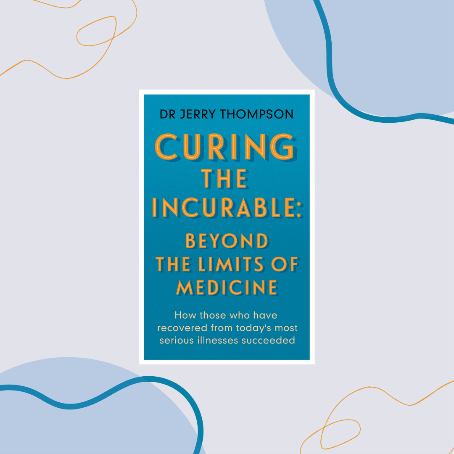
We already know that stress increases the incidence and severity of many diseases. A meta-analysis of nearly 300 studies found that stress lowered immunity. Stress increases inflammation, which in turn increases the risk of cancer. It activates the ‘fight or flight’ response, triggering the sympathetic nervous system, releasing hormones such as adrenaline, noradrenaline and cortisol, and reducing levels of growth hormone. Both adrenaline and noradrenaline block the body’s ability to destroy tumours. One study showed tumours grew 225% faster in stressed mice.
However, it isn’t just that we produce harmful chemicals when under stress. We also produce less of those anabolic hormones essential for healing and repair, as raw materials get diverted to produce more adrenaline and cortisol.
It is obvious that if we want to promote healing, then reducing stress becomes a priority. However, there is more to stress than meets the eye. In the study on rats subjected to electrical shocks mentioned in the Introduction, those that learned to avoid the shocks rejected their tumours three times as often as those that couldn’t. What’s more, 20% more of these rats rejected their tumours compared with those rats not subjected to any shocks. Here the stress proved beneficial and adapting to it had a positive survival effect. […] So reducing stress, or adapting to it in a positive way, can enhance our ability to fight a disease.
Many of the mental strategies that survivors have used are based on two simple ideas. Both are backed by a substantial amount of research:
- The body goes into healing mode once it becomes relaxed, and conversely healing of the body stops when we are under stress.
- Thoughts are creative and can modify health.
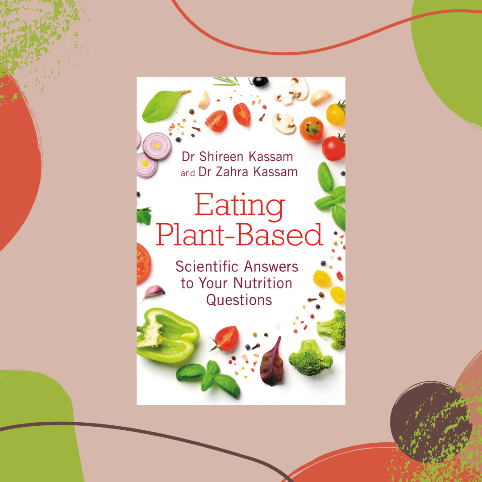 ‘Eating Plant Based’ – Dr Shireen Kassam and Dr Zahra Kassam
Oxidative stress is an imbalance between the normal cellular processes of oxidation and reduction and is a result of the generation of metabolic products known as ‘reactive oxygen species’ (ROS). Certain ‘stressors’ can lead to increased levels of ROS, including cigarette smoking, medication, pesticides, radiation and also our diet choices. Oxidative stress then leads to the damage of proteins, DNA and cell membranes. The body requires antioxidants to counter the effects of these damaging ROS.
Plant foods contain hundreds of antioxidant compounds and have vastly higher antioxidant content than animal-derived foods. These antioxidants come in two broad categories: carotenoids and bioflavonoids. Both are large groups of structurally related compounds that help plants cope with radiation exposure from sunlight. Studies consistently show that those eating a predominantly plant-based diet have higher levels of antioxidants in the body compared with omnivores so, add more colourful fruit and vegetables into your daily diet as the intake of these anti-inflammatory foods reduces the very hormones that increase our stress levels.
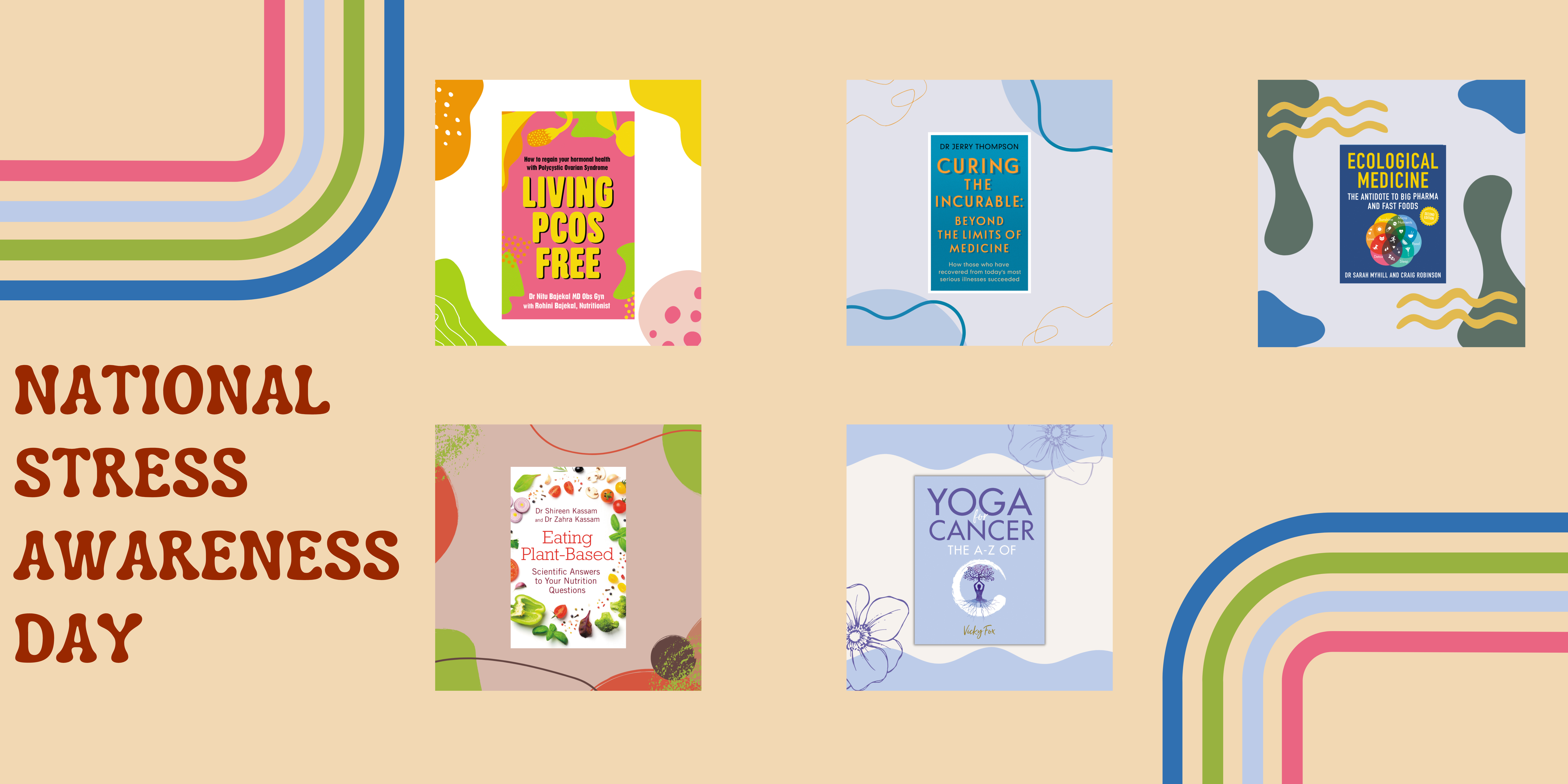
 ‘Living PCOS Free’ – Rohini Bajekal and Dr Nitu Bajekal
Dr Nitu and Rohini Bajekal, writing in relation to PCOS but with aphttps://hammersmith.firstywork.co.uk/product/living-pcos-free/plication to all aspects of health, make these creative suggestions for managing our stress:
It helps to try and figure out if your stress is acute or chronic. It may be that it is a family member who needs your attention because they are sick, or it may be your relationship, work-related stress and deadlines, or even bullying and harassment. Chronic stress is a prolonged and constant feeling of stress that can negatively affect your health if it goes untreated. By identifying and acknowledging stress triggers, you may feel better equipped to deal with the situation.
[…] Regular exercise improves the feel-good factor and can help reduce anxiety levels. Walking or working out, especially in natural light, can help increase endorphins, also known as the happy hormones. Spending time outdoors in nature has been found to ease stress. […]
Gratitude practices and thinking of a few positive areas that are going well in your life can help relieve stress levels. Yoga, meditation or simple mindfulness and breathing techniques can calm the mind and reduce anxiety levels. Writing your fears or concerns in a diary or journal may help you to see the situation more clearly.
[…] Spending time in nature reduces stress. Studies have found that the Japanese practice of shinrin-yoku, translated as ‘forest bathing’, can lower blood pressure and improve immune function and mental health. Forest bathing involves immersing oneself in nature by mindfully using all five senses.
[…] Affirmations are powerful and positive simple statements that can help us challenge negative thought patterns. They can decrease stress, increase well-being, and make us more open to behaviour change.
 ‘Ecological Medicine’ – Dr Sarah Myhill and Craig Robinson (Second Edition available Jan 2023)
Life is inevitably stressful, and we all have skeletons in the cupboard. During sleep we relive the events of the day and remember the important things and rationalise the damaging memories. But if sleep is disturbed by adrenaline, then those memories are relived in a hormonally stressful environment, thereby reinforcing them. This is an obvious vicious cycle. The treatment is obvious too – stop adrenalin release at night with the Paleo-Ketogenic diet, thereby blocking any damaging memories that may be lurking.
 ‘The A-Z of Yoga for Cancer’ – Vicky Fox
Breathing is key to helping to release anxiety by bringing us into the present moment. When we are conscious of our breathing we are fully in the moment because we can’t breathe in the past and we can’t take a breath in the future. This means we are in this moment with whatever this moment brings. […] There are many tools we can use to help bring us into the moment and it is about finding what works for you. I recommend beginning with a simple wave breathing exercise.
[…] Find a comfortable sitting position where your spine feels long. This maybe in a chair or seated on some cushions on the floor. […] shift from side to side until you feel there is equal weight on both sitting bones. Your spine should feel long, and you should not be shifting forwards or backwards. As you breathe in, sense the wave-like motion of your breathing.
Follow these steps:
Inhale and sense or feel the wave rising.
As you exhale, silently say to yourself ‘1’.
Inhale and sense or feel the wave of breath rising.
As you exhale, silently say to yourself ‘2’.
Inhale and sense or feel the wave rising.
As you exhale silently say ‘3’.
Inhale and sense or feel the wave rising.
As you exhale silently say ‘4’.
… and continue in the same way, Incrementally counting upwards to ‘10’ with each exhale and back down again to ‘1’ (this takes about 2 minutes).
This wave breathing is a form of meditation because meditation is giving your mind something to focus on; here the focus is movement of breath and counting.
National Stress Awareness Day (2nd November) is an annual initiative by Rethink Mental Illness which highlights the ways that stress can affect people and what you can do to manage your stress before it becomes a problem. The causes of stress and the best way to manage it can differ for every person and what works for some may not be as effective for others, so if you are struggling to cope with stress, make sure to consult your GP or look on the NHS website for more information.