Posted on

Stress Awareness Week

Stress describes what we experience when we are physically, mentally or emotionally under pressure and feeling unable to cope. It activates our fight-or-flight response, with the outpouring of the stress hormones, adrenaline and cortisol. This response may have positive consequences in the short-term as it prompts us to take action, but prolonged stress and the feelings of helplessness that accompany it can have serious effects on our health.

We have compiled some key pieces of advice and top tips from a range of our books on the effects stress can have on our physical and mental wellbeing, as well as how to manage it:


‘Curing the Incurable’ – Dr Jerry Thompson
We already know that stress increases the incidence and severity of many diseases. A meta-analysis of nearly 300 studies found that stress lowered immunity. Stress increases inflammation, which in turn increases the risk of cancer. It activates the ‘fight or flight’ response, triggering the sympathetic nervous system, releasing hormones such as adrenaline, noradrenaline and cortisol, and reducing levels of growth hormone. Both adrenaline and noradrenaline block the body’s ability to destroy tumours. One study showed tumours grew 225% faster in stressed mice.

However, it isn’t just that we produce harmful chemicals when under stress. We also produce less of those anabolic hormones essential for healing and repair, as raw materials get diverted to produce more adrenaline and cortisol.

It is obvious that if we want to promote healing, then reducing stress becomes a priority. However, there is more to stress than meets the eye. In the study on rats subjected to electrical shocks mentioned in the Introduction, those that learned to avoid the shocks rejected their tumours three times as often as those that couldn’t. What’s more, 20% more of these rats rejected their tumours compared with those rats not subjected to any shocks. Here the stress proved beneficial and adapting to it had a positive survival effect. […] So reducing stress, or adapting to it in a positive way, can enhance our ability to fight a disease.

Many of the mental strategies that survivors have used are based on two simple ideas. Both are backed by a substantial amount of research:

  1. The body goes into healing mode once it becomes relaxed, and conversely healing of the body stops when we are under stress.
  2. Thoughts are creative and can modify health.
‘Eating Plant Based’ – Dr Shireen Kassam and Dr Zahra Kassam

Oxidative stress is an imbalance between the normal cellular processes of oxidation and reduction and is a result of the generation of metabolic products known as ‘reactive oxygen species’ (ROS). Certain ‘stressors’ can lead to increased levels of ROS, including cigarette smoking, medication, pesticides, radiation and also our diet choices. Oxidative stress then leads to the damage of proteins, DNA and cell membranes. The body requires antioxidants to counter the effects of these damaging ROS.

Plant foods contain hundreds of antioxidant compounds and have vastly higher antioxidant content than animal-derived foods. These antioxidants come in two broad categories: carotenoids and bioflavonoids. Both are large groups of structurally related compounds that help plants cope with radiation exposure from sunlight. Studies consistently show that those eating a predominantly plant-based diet have higher levels of antioxidants in the body compared with omnivores so, add more colourful fruit and vegetables into your daily diet as the intake of these anti-inflammatory foods reduces the very hormones that increase our stress levels.
‘Living PCOS Free’ – Rohini Bajekal and Dr Nitu Bajekal

Dr Nitu and Rohini Bajekal, writing in relation to PCOS but with aphttps://hammersmith.firstywork.co.uk/product/living-pcos-free/plication to all aspects of health, make these creative suggestions for managing our stress:

It helps to try and figure out if your stress is acute or chronic. It may be that it is a family member who needs your attention because they are sick, or it may be your relationship, work-related stress and deadlines, or even bullying and harassment. Chronic stress is a prolonged and constant feeling of stress that can negatively affect your health if it goes untreated. By identifying and acknowledging stress triggers, you may feel better equipped to deal with the situation.

[…] Regular exercise improves the feel-good factor and can help reduce anxiety levels. Walking or working out, especially in natural light, can help increase endorphins, also known as the happy hormones. Spending time outdoors in nature has been found to ease stress. […]

Gratitude practices and thinking of a few positive areas that are going well in your life can help relieve stress levels. Yoga, meditation or simple mindfulness and breathing techniques can calm the mind and reduce anxiety levels. Writing your fears or concerns in a diary or journal may help you to see the situation more clearly.

[…] Spending time in nature reduces stress. Studies have found that the Japanese practice of shinrin-yoku, translated as ‘forest bathing’, can lower blood pressure and improve immune function and mental health. Forest bathing involves immersing oneself in nature by mindfully using all five senses.

[…] Affirmations are powerful and positive simple statements that can help us challenge negative thought patterns. They can decrease stress, increase well-being, and make us more open to behaviour change.
‘Ecological Medicine’ – Dr Sarah Myhill and Craig Robinson (Second Edition available Jan 2023)

Life is inevitably stressful, and we all have skeletons in the cupboard. During sleep we relive the events of the day and remember the important things and rationalise the damaging memories. But if sleep is disturbed by adrenaline, then those memories are relived in a hormonally stressful environment, thereby reinforcing them. This is an obvious vicious cycle. The treatment is obvious too – stop adrenalin release at night with the Paleo-Ketogenic diet, thereby blocking any damaging memories that may be lurking.


‘The A-Z of Yoga for Cancer’ – Vicky Fox

 Breathing is key to helping to release anxiety by bringing us into the present moment. When we are conscious of our breathing we are fully in the moment because we can’t breathe in the past and we can’t take a breath in the future. This means we are in this moment with whatever this moment brings. […] There are many tools we can use to help bring us into the moment and it is about finding what works for you. I recommend beginning with a simple wave breathing exercise.

[…] Find a comfortable sitting position where your spine feels long. This maybe in a chair or seated on some cushions on the floor. […] shift from side to side until you feel there is equal weight on both sitting bones. Your spine should feel long, and you should not be shifting forwards or backwards. As you breathe in, sense the wave-like motion of your breathing.

Follow these steps:

                Inhale and sense or feel the wave rising.

                As you exhale, silently say to yourself ‘1’.

                Inhale and sense or feel the wave of breath rising.

                As you exhale, silently say to yourself ‘2’.

                Inhale and sense or feel the wave rising.

                As you exhale silently say ‘3’.

                Inhale and sense or feel the wave rising.

                As you exhale silently say ‘4’.

… and continue in the same way, Incrementally counting upwards to ‘10’ with each exhale and back down again to ‘1’ (this takes about 2 minutes).

This wave breathing is a form of meditation because meditation is giving your mind something to focus on; here the focus is movement of breath and counting.


National Stress Awareness Day (2nd November) is an annual initiative by Rethink Mental Illness which highlights the ways that stress can affect people and what you can do to manage your stress before it becomes a problem. The causes of stress and the best way to manage it can differ for every person and what works for some may not be as effective for others, so if you are struggling to cope with stress, make sure to consult your GP or look on the NHS website for more information.

Posted on

Why exercise is good for osteoarthritis

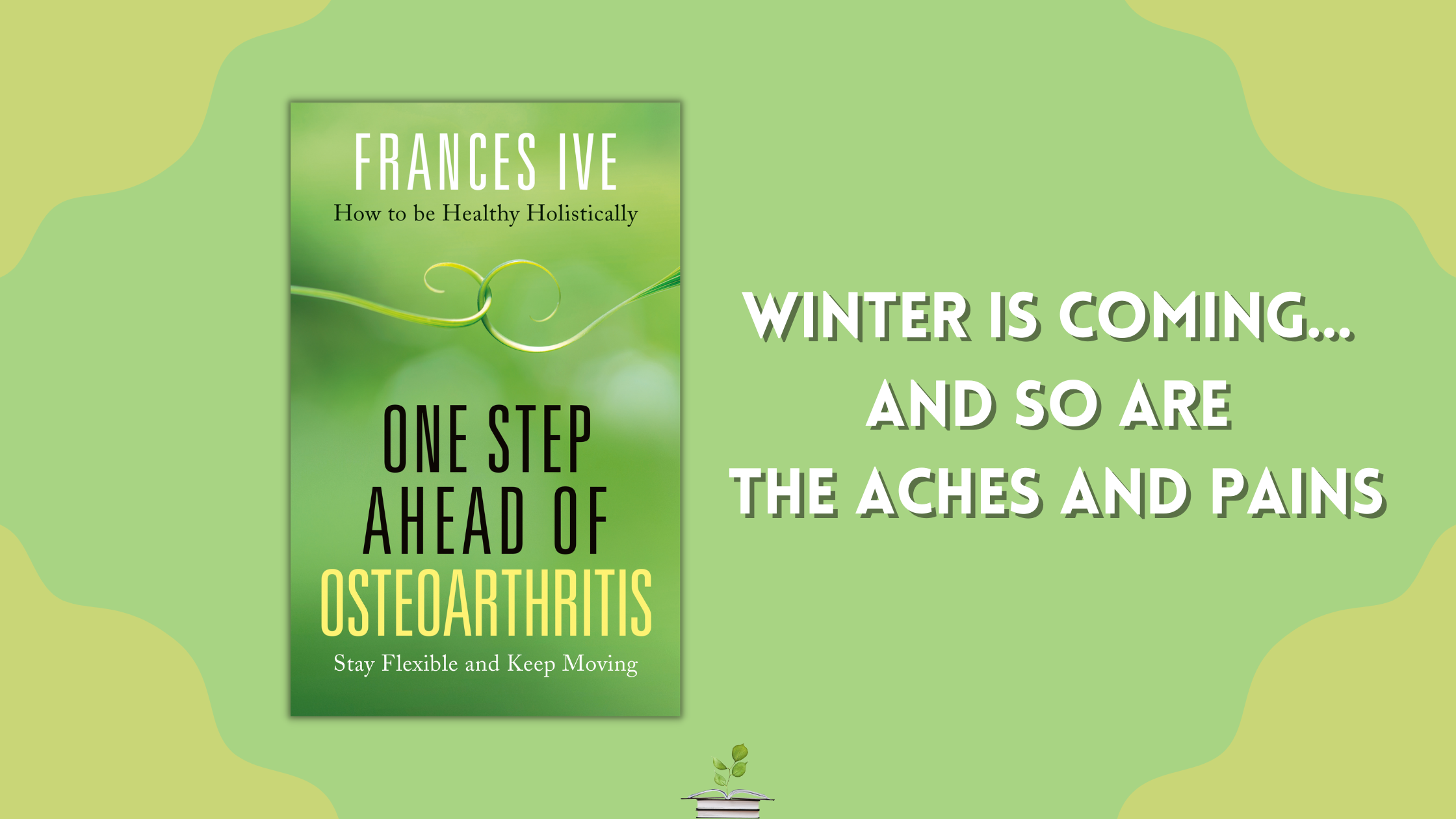
Blog written by Frances Ive, author of ‘One Step Ahead of Osteoarthritis’.

I don’t know about you, but I found that my knees and hands were virtually pain free during the hot summer this year. As soon as the damp started creeping in, so did the swelling and discomfort.

There have been changes going on too in the recommended treatment for osteoarthritis (OA).

After goodness knows how long, a change has also come about. NICE (the National Institute for Health and Care Excellence) has produced draft guidelines advising GPs that the first recommendation they should give for OA is exercise and weight loss, instead of strong painkillers which have been  standard treatment for some time.

My book, One Step Ahead of Osteoarthritis, focuses on taking charge and managing OA, principally with exercise and losing weight, but also diet, complementary therapies, supplements and practical tips.

The bottom line is that you need to stay active and mobile. Losing your mobility is the start of a slippery slope downwards so the goal is to keep moving.

Why exercise is good for you

One reason why keeping active is good for your osteoarthritis is that exercise strengthens muscles, which surround and protect the joints. The other major plus of exercise is that it helps us to lose weight. According to Dr Paul Chrisp, director of the Centre for Guidelines at NICE, ‘There is evidence which shows muscle strengthening and aerobic exercise can have an impact on not just managing the condition, but also providing people with an improved quality of life.’

He also stated, ‘Losing weight can have a significant impact on health outcomes for a range of conditions, but it can also help to reduce joint pain for people with osteoarthritis.’

Many UK surgeons now prefer to ask osteoarthritis patients to lose weight before opting for joint surgery and find that in some cases patients no longer need the operation.

Mobility is essential

Retaining mobility is key to having a better quality of life. Conversely, becoming immobile is life changing and can lead to isolation and loneliness. It’s important to be able to stay independent and get out and about at any age.

Different approach to painkillers

NICE also claims that there is new evidence which shows there is little or no benefit to people’s quality of life, pain or psychological distress from taking strong painkillers. Particularly in the case of strong opioids, there is evidence that they can cause harm in the longer term and become addictive.

So what exercise should we do?

You can do specific exercises for the knees, hips and hands – the most common areas for OA – and you can find diagrams showing how to do these in my book, courtesy of Versus Arthritis, the UK charity. Not only are these helpful but they can be done at home for free, without needing to go to a gym or classes.

It might be that you already have a favourite activity, exercise or sport that you want to continue with. Some people find gardening is enough activity for them and it keeps them mobile.  But most important of all is that you find the type of exercise that most suits you.

Health experts suggest that we should exercise for at least five days a week for around 30 minutes each time.  If you are incapacitated it’s important to build this up at your own pace.

Formal exercise that is helpful

Cycling – great for strengthening muscles around the knees.

Yoga – stretches and flexes muscles and makes the body stronger.

Pilates – improves core muscles, helping to take the strain off your back.

Walking – good for joints as well as heart and lungs.

Swimming – gentle and muscle strengthening.

Tennis – using supports for problem knees and joints, it is brilliant exercise for people of all ages.

Golf – involves plenty of walking so has all round benefits.

Read more about how to manage osteoarthritis and ensure your quality of life in  ‘One Step Ahead of Osteoarthritis’, Frances Ive, published by Hammersmith Health Books,  and discover how you can help yourself to feel better and maintain a good quality of life.

Posted on

Plant-Based Nutrition for Mental Health and Wellbeing

In recognition of a month focused on mental health and wellbeing, we investigated the intriguing findings that suggest plant-based diets may help improve mental health. The following blog has excerpts from Dr Shireen Kassam and Dr Zahra Kassam’s book ‘Eating Plant Based’, which you can find here.

Wellbeing and Fruit & Veg

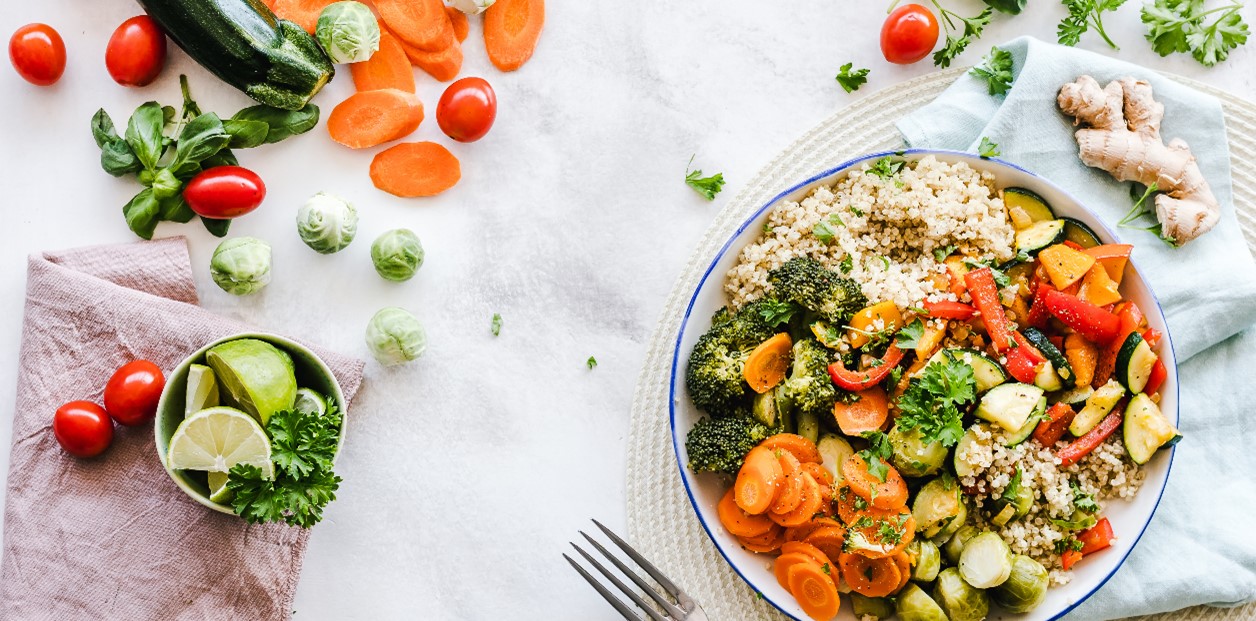
High psychological wellbeing is more than the absence of mental illness. It is a sense that we are functioning well in our life. People with high psychological wellbeing also report feeling capable, well-supported, and satisfied with life and are more likely to live healthier and longer lives. Accumulating data now show that PBDs, or simply increasing fruit and vegetable (FV) consumption, are associated with gains in wellbeing.


Worldwide Studies

A study that used data on over 45,000 individuals followed over time, found that wellbeing increased in a dose-response fashion with the number of portions of FV consumed or with the frequency of FV consumption. Even modest increases in FV intake had substantive positive effects on wellbeing.

Similarly, a novel 2-week study in New Zealand showed that providing high-quality FV to young adults resulted in short-term improvements in mental wellbeing, specifically vitality, flourishing, and motivation. Consumption of raw FV may also be important in optimising better mental health wellbeing, with a high level of correlation with consumption of carrots, bananas, apples, leafy greens, citrus fruits, fresh berries, cucumber, and kiwi fruit in one study.

In another longitudinal study of over 12,000 Australian adults, increased FV consumption was predictive of increased happiness, life satisfaction, and wellbeing. The gain was up to 0.24 life-satisfaction points (for an increase of eight portions a day), which is equal in size to the psychological gain of moving from unemployment to employment.36 In a systematic review of 30 studies examining the association between FV consumption and general (broad) mental health in women, a positive influence of FV was seen using measures of wellbeing, quality of life, positive and negative affect, self-esteem, anxiety, distress, depressive symptoms, depression, and suicide.

Wellbeing, Diet and Diabetes

Wellbeing and diet have also been studied in the context of type 2 diabetes. Diabetes has significant co-morbidity with depressive illness, which itself places high demands on the individual’s inner resources. A large longitudinal study of patients with diabetes has shown improved outcomes for 5-year mental health and wellbeing associated with higher intakes of FV and specifically FV-derived dietary fibre and resistant starch, such as that found in cereals and whole grains. A systematic review of 11 controlled trials concluded that a plant-based diet can significantly improve psychological wellbeing and quality of life in people with type 2 diabetes. The studies included were conducted in several different countries suggesting broad clinical applicability. Specifically, PBDs were associated with significant improvement in emotional wellbeing, physical wellbeing, depression, quality of life, general health, pain perception, weight, diabetes control and lipids, compared with several diabetes associations’ official guidelines and other comparator diets.

Nutrition and Mental Health in Children

In children and adolescents, a systematic review of 12 epidemiological studies reported a significant relationship between unhealthy dietary patterns (including higher intake of foods with saturated fat, refined carbohydrates and processed food products) and worse mental health.40 They also observed an association between good quality diet and better mental health. Since mental disorders often begin in youth, the implications are far-reaching.
A worksite-based pilot study using a whole food plant-based diet intervention resulted in significant improvements in the psychological subscale of quality of life, alongside other wellbeing improvements and is an early indicator that such interventions are both feasible and effective.

For more information on plant based diets, you can read Dr Zahra Kassam and Dr Shireen Kassam’s full books ‘Eating Plant Based’ and ‘Plant Based Nutrition in Clinical Practice’ which provides in depth guidance supported by scientific evidence.

Posted on

Hammersmith Health Books – As Seen in the Media

The authors at Hammersmith Health Books have had a busy few months speaking in some incredible publications on their specialist topics where they offer some expert advice and guidance.

Here are some of our coverage highlights from the last few months:

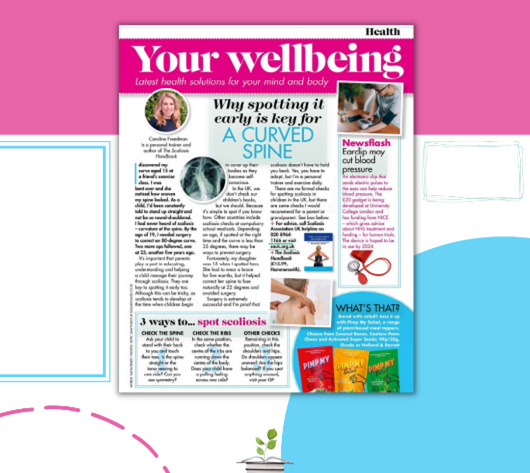
Caroline Freedman – ‘Why Spotting it Early is Key for a Curved Spine’ in Women’s Weekly


Author of ‘The Scoliosis Handbook’ Caroline Freedman discussed the importance of spotting of spotting a curved spine early in Women’s Weekly. She speaks on why knowing how to spot the signs of scoliosis early can be vital in preventing surgery in later life and reassures that having the condition does not have to hold you back.


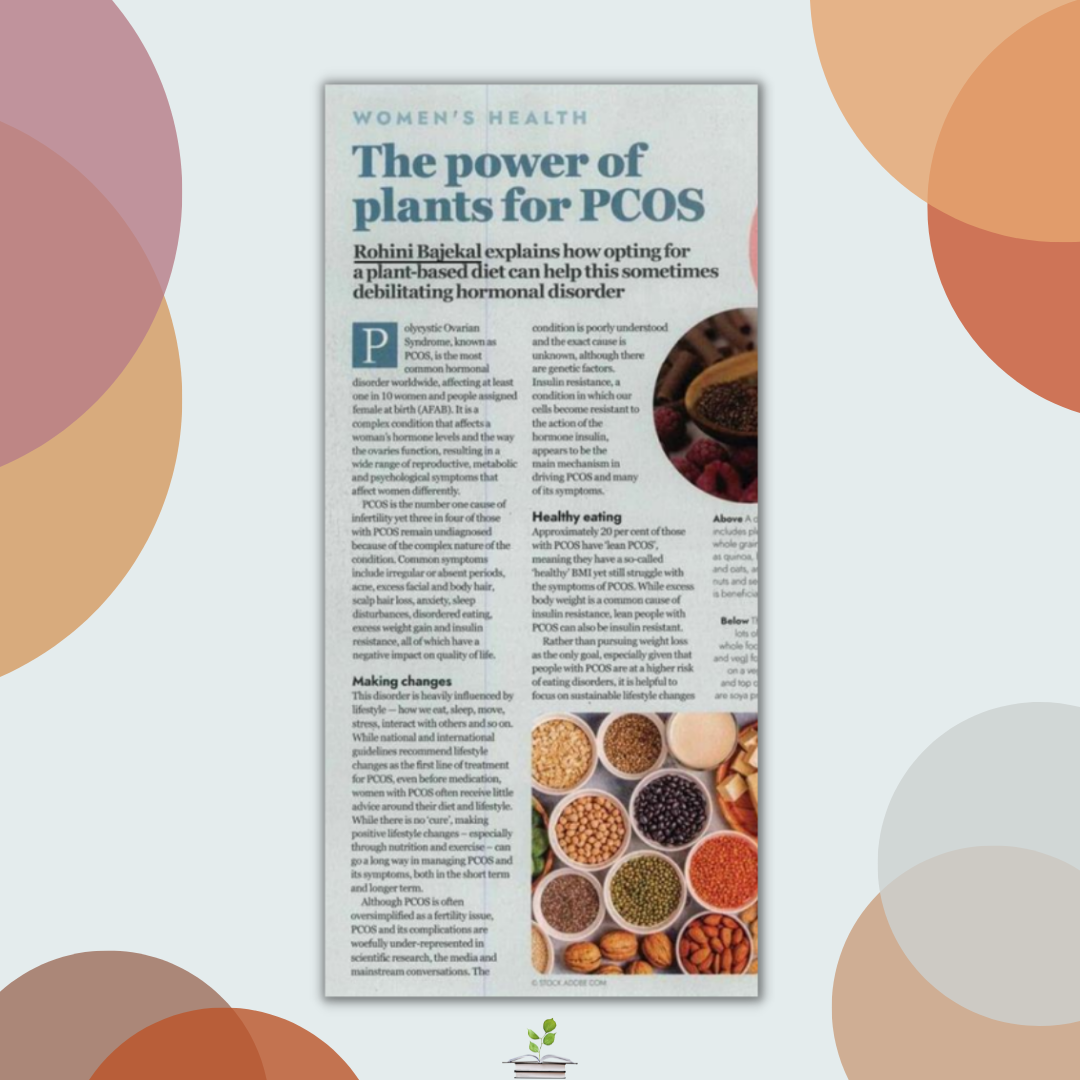
Rohini Bajekal – ‘The Power of Plants for PCOS’ in Vegan Food and Living


Rohini Bajekal, author of ‘Living PCOS Free’, was featured in Vegan Food and Living where she spoke about how PCOS is heavily influenced by lifestyle factors and how a plant-based diet can help to manage and alleviate symptoms of the condition.


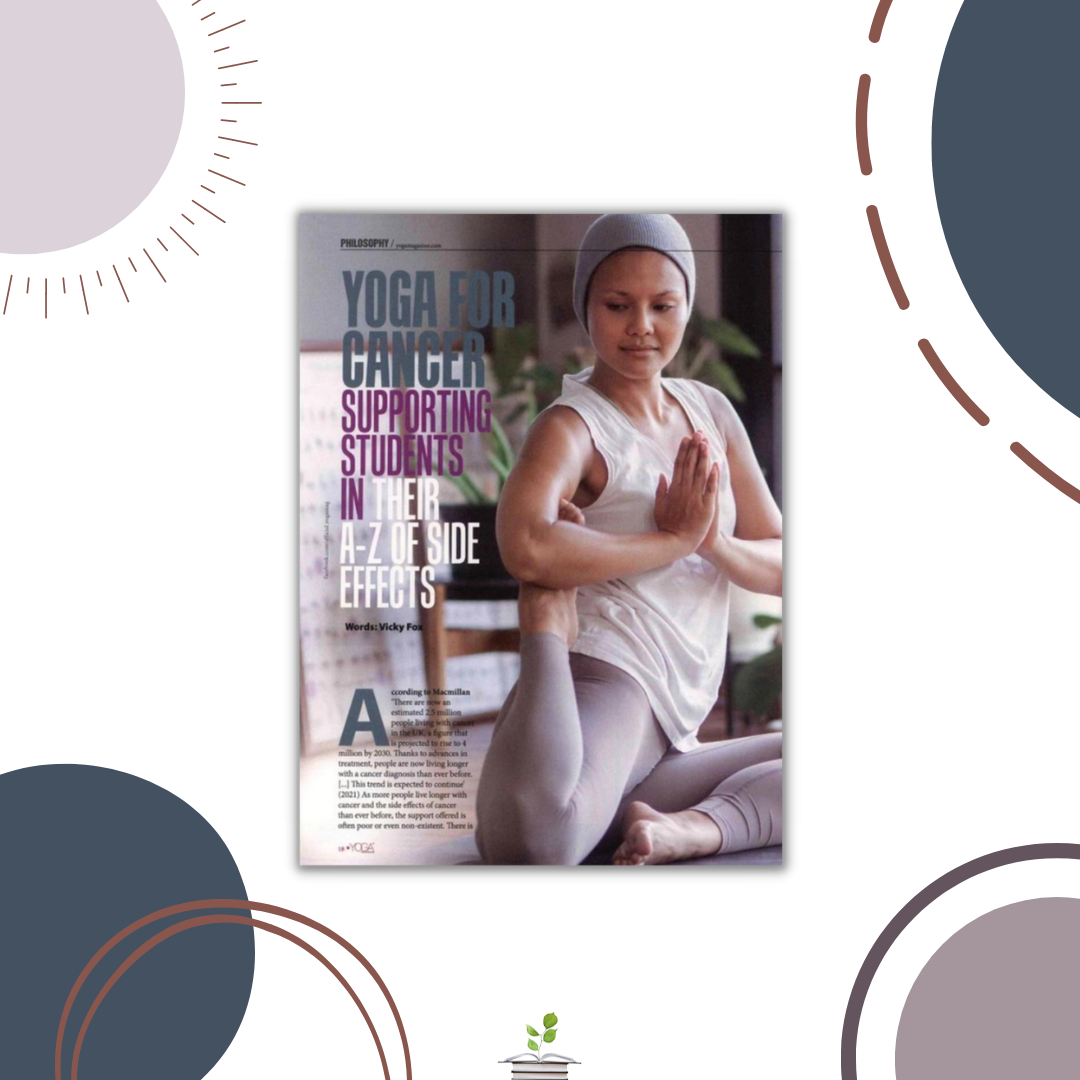
Vicky Fox – ‘Supporting Students in their A-Z of Side Effects’ in Yoga Magazine


Vicky Fox, author of ‘The A-Z of Yoga for Cancer’, offered advice to students on how to mitigate the side effects of cancer treatment and discusses the importance of yoga for cancer classes being specially designed to consider the side effects people may be experiencing.


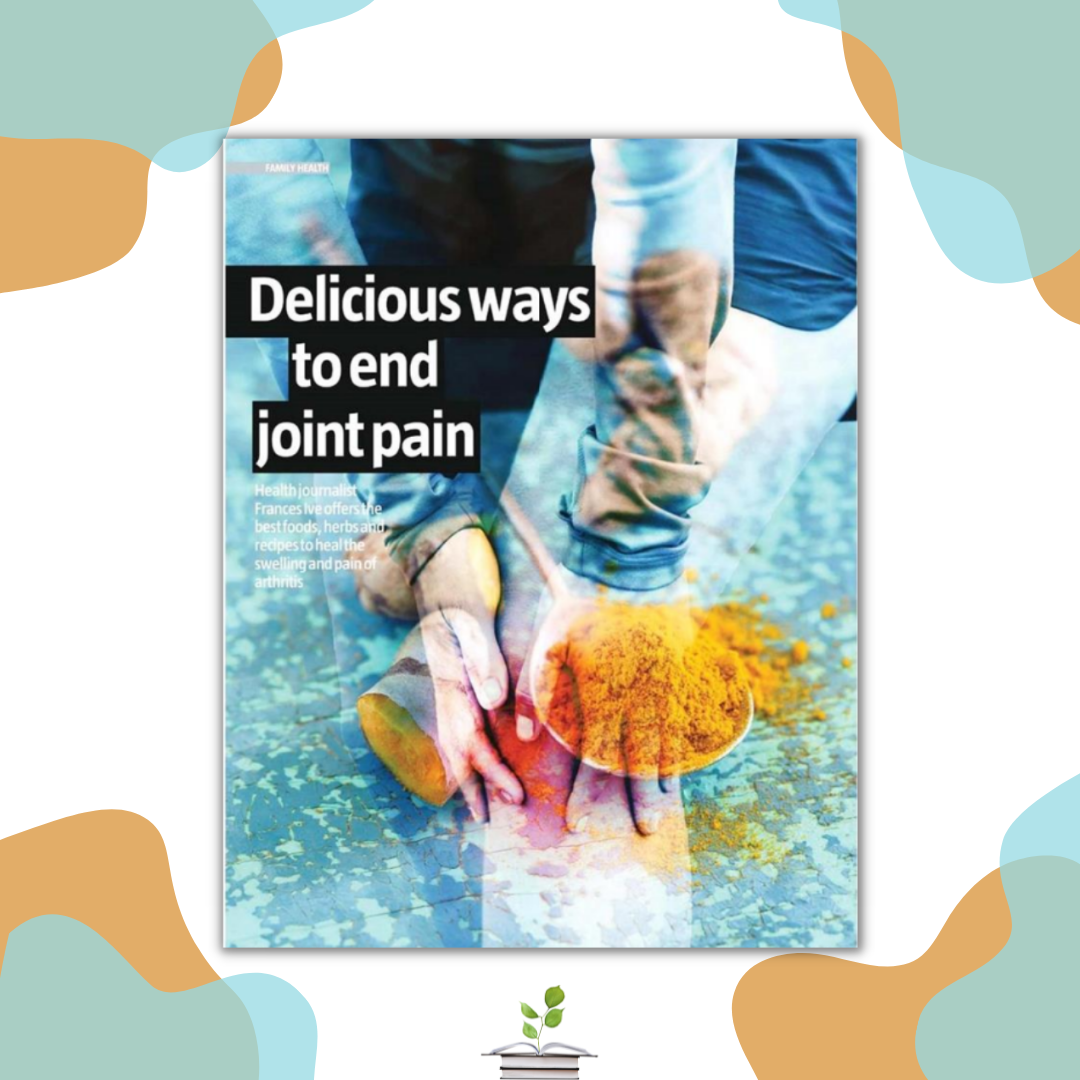
Frances Ive – ‘Delicious Ways to End Joint Pain’ in What Doctors Don’t Tell You


Author of ‘One Step Ahead of Osteoarthritis’ Frances Ive spoke all about the best foods, herbs and recipes to help heal the pain of arthritis in What Doctors Don’t Tell You. Providing some delicious recipes containing the herbs and foods that are scientifically proven to help end pain and swelling.


Martyn Hooper – ‘Research Priorities in Pernicious Anemia’ in BMJ Journals


Martyn Hooper, author of ‘Five-A-Day Plus One: The Vitamin B12 Cookbook’, had an insightful paper published in BMJ Journals which delves into Pernicious Anemia and discusses the research priorities related to the cause, diagnosis, treatment and management of the condition.⁠ You can read the full paper here.


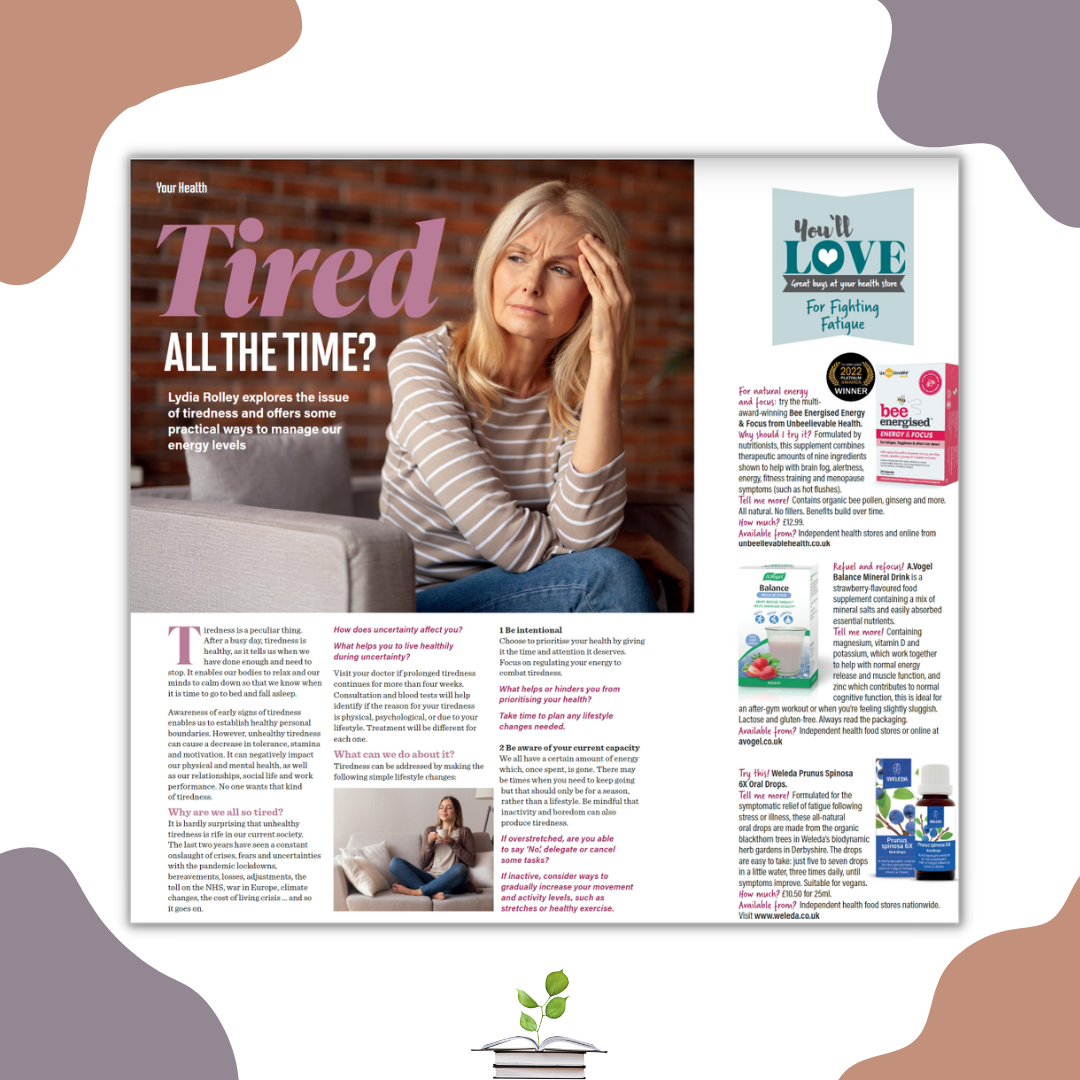
Lydia Rolley – ‘Tired all the Time?’ in Your Healthy Living


Author of ‘The Fatigue Book’ Lydia Rolley offered a variety of practical advice on how to manage energy levels in Your Healthy Living magazine. She talks all about what can cause unhealthy levels of tiredness as well as the effective lifestyle changes you can introduce to help manage. You can read the full issue here.


Posted on

Back Care Awareness Week

Blog written by Caroline Freedman: Personal Trainer and TRX Sports Medicine Suspension Training exercise professional, and author of ‘The Scoliosis Handbook of Safe and Effective Exercises Pre and Post Surgery‘.

Backcare Awareness Week brings an opportunity to check our posture and become aware of how our lifestyle affects our spines.  With back issues affecting many of us at some point in our lives, I feel if we gave more attention to postural alignment and the importance of how to carry, lift, sit and stand from a young age this could lead to improving the nation’s backs and help alleviate some pain and suffering.  The knock on effect would be less absence from work and of course lift a little pressure off the NHS.

There is a lot we can do ourselves to keep our spines healthy.  Becoming aware of how we treat our spines and looking after our bodies makes a huge difference. Little things like picking something up, I was taught by an Alexander Technique Postural teacher many years ago that ‘our bodies are more important than the object we are lifting’.  It’s the way we pick something up that makes the difference. Squat to pick a bag of shopping up off the floor making sure legs are hip width and your hips do not go lower than your knees.  Think about getting help for heavy objects rather than over doing it.  Avoid twisting to pick something up from the back seat of a car.  I have heard so many incidents of people putting their neck out simply by overreaching for something. It’s annoying to have to park up and retrieve a phone that’s slipped down the side of the seat and rolled onto the floor behind you, but it has to be better than wasting time at the physiotherapist and the cost of missing work and recovery.  Be aware of housework and try to use both sides of the body to hoover and mop to avoid a one sided build up of muscles.

Thankfully exercise has become a key part of our lives and resistance training with weights has been proven to help slow down degenerative conditions such as osteoporosis of the spine but there is little point in lifting weights and working out your back muscles (lats, trapezius, rhomboids, erector spinae) if your posture is incorrect to start with. Getting back to basics, below are guidelines from The Scoliosis Handbook for correct starting positions for exercise.  Perfect these and you will find that your technique when performing exercises will become much improved, leading to getting more out of your workouts.

There are obviously spinal conditions that we have little control over.  Traumatic conditions from injury, infection and spinal deformity conditions.  Not everyone will have perfectly straight spines.  One condition that is not regularly checked for in the UK is Scoliosis (curvature of the spine)

Many people that I know discovered the curvature of their spine by mistake and most hadn’t even heard of the term ‘Scoliosis’.  Mine was discovered at 15 in an exercise class by the trainer who’s own daughter had scoliosis.  I had complained about pain but my mother had zero idea what to even look for.  I have had three spinal fusion surgeries.  Caught early, scoliosis can often be improved with a brace.

There are no formal health checks for spotting scoliosis in our children in the UK, but here are some checks I’d recommend you make if you are a parent:

  1. Get your child to stand with their back to you and attempt to touch their toes.
  2. Is the spine straight or the torso veering to one side?
  3. Can you see virtual symmetry?
  4. Do shoulders appear uneven?
  5. Are the centre of the ribs running down the centre of the body?
  6. Is your child complaining of a pulling feeling across one side of the rib cage?
  7. Are the hips balanced?

For further reference and advice contact The Scoliosis Association UK www.sauk.org.uk

POSTURE/ALIGNMENT

HOW TO STAND AND SIT DURING EXERCISE

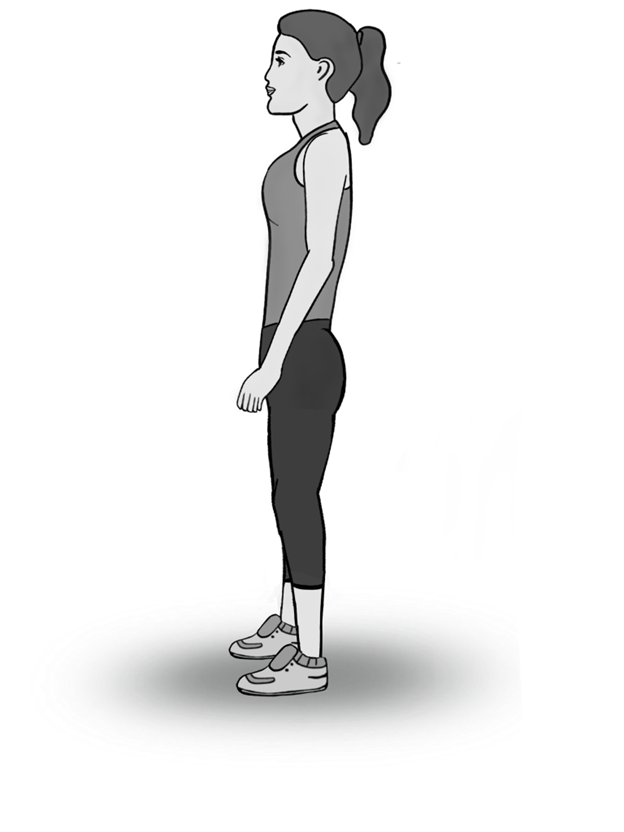
STARTING POSITION

Suck your abs in. Your pelvis should be tilted slightly forward. If you have movement in your lower spine, do not arch it. Shoulders down, head level and chin tucked in. When standing and exercising, always make sure your knees are slightly bent as this will take the pressure off your lower spine. Do not hyperextend (over- straighten) your elbows or knees.

ALIGNMENT

Always be aware of your body alignment. Head, neck, shoulders, spine, hips, knees, ankles and toes should follow each other. A tip is to look down or check yourself in the mirror. Are your knees pulling together or your toes positioned inwards? Your knees should be front facing or slightly outwards and your toes positioned between 11 am and 1 pm OR 10 am and 2 pm.

LYING DOWN ON YOUR BACK

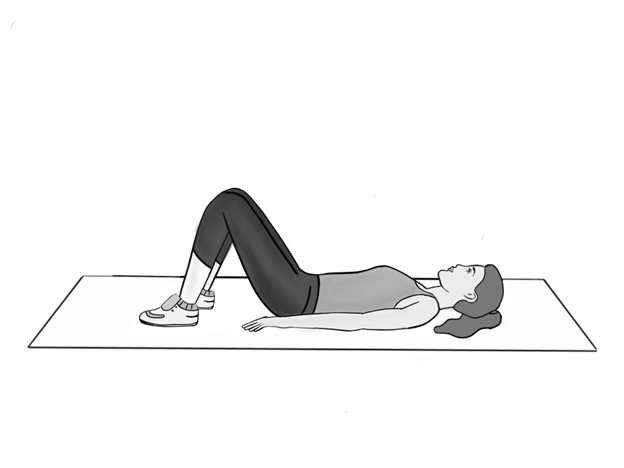
I was always taught to keep my spine glued to the floor. This has prevented me and my clients from having any pain during exercise. There should be as little space as possible between your spine and the floor. Tilt your pelvis and keep your knees bent with your feet flat on the floor, with a wedge under your lower bottom/upper thighs for support. The wedge takes the pressure off your spine.

To engage your core, imagine drawing your belly button into your spine, scoop your abdominals in and pull your pelvic floor up. You should feel like everything is being sucked in and your pelvis tilted upwards.

If your hair is tied into a ponytail, make sure it is not interfering with the positioning of your head and neck, e.g. chin tilted too far back or forward. The space between your chin and chest should be about the size of an orange – try using one to gauge where the positioning should be – it works. Remember to breathe, in through your nose and out through your mouth, gently and without hyperventilating, in a relaxed manner.

Published by: Hammersmith Books – www.hammersmithbooks.co.uk

Illustrated by: Dunelm Digital – www.dunelmdigital.co.uk

Photos by: Sam Pearce – www.square-image.co.uk

‘Images courtesy of Scoliosis Association UK’

Posted on

PCOS after Menopause

Blog written by Dr Nitu Bajekal, Senior Consultant ObGyn and Co-Author of ‘Living PCOS Free‘.

I wrote Living PCOS Free with my daughter Rohini, a nutritionist, as I am extremely passionate about empowering those with PCOS to live long, healthy and happy lives. This practical guide will show you how to successfully manage your condition using proven lifestyle approaches alongside western medicine. Raising awareness of what to look out for allows those with PCOS who are going through perimenopause and menopause to access early help, support and advice. This may be through campaigns such as this month’s Menopause Awareness Month, workshops and education in workplaces or even by opening up the conversation between friends, family and colleagues. It’s never too early – or too late – to start.

What is PCOS?

PCOS is a complex condition that affects the way the ovaries function, resulting in a wide range of reproductive, metabolic and psychological symptoms. The exact cause of PCOS is unknown, although insulin resistance, when insulin levels rise as tissues become resistant to the action of insulin, is considered to be a main driver of the condition and many of the common symptoms.

Despite PCOS being the most common endocrine condition to affect women and those AFAB (assigned female at birth), with at least 1 in 10 affected, most people have never heard of it. Depending on how hard one looks for the condition, up to 3 in 4 of those with PCOS remain undiagnosed.

What are the common symptoms of PCOS?

Infrequent periods or missed periods are the most common sign of PCOS (oligomenorrhoea/amenorrhoea). It’s important to note that pain is not a feature of PCOS and other coincidental causes such as endometriosis should be considered.

  • Excess facial/body hair (hirsutism)
  • Acne (often adult and/or cystic)
  • Scalp hair loss (alopecia)
  • Excess weight gain
  • Insulin resistance
  • Fertility problems (PCOS is the leading cause of anovulatory infertility)

There are several less well-known symptoms including:

Eating disorders, especially binge eating disorders without purging, unlike bulimia. This may be missed, especially in those from different ethnic groups, LGBTQ+ or those with excess weight.

  • Excessive daytime sleepiness
  • Breathing problems (sleep apnoea, snoring)
  • Acanthosis nigricans (darkened skin: behind the neck, underarms, groin).
  • Psychological issues such as depression, anxiety and OCD

How does the condition change as a woman approaches menopause?

In my new book, Living PCOS Free, I dedicate an entire chapter to the topic of menopause in PCOS as this condition does affect how women and AFAB people experience this crucial phase of life.

There has been little scientific research on how PCOS affects the menopause or the lead up to it and more studies are urgently needed. The criteria to diagnose PCOS (Rotterdam criteria) change in the menopause as periods stop, so irregular periods cannot be used as a criterion.

How can women distinguish between PCOS and perimenopause symptoms?

The perimenopause can last from 2 to 8 years (the average is 4 years) and is the lead up to menopause. The perimenopause is a time, often in one’s early 40s, when women and those AFAB may notice hormonal fluctuations, period irregularities and mood changes. As a result, there can be a lot of overlap with symptoms of PCOS and perimenopause, such as female-pattern hair loss and anxiety.

If you have never been diagnosed with PCOS, a long history of irregular cycles or anovulatory subfertility may help give your doctor a clue.

Do PCOS symptoms change after menopause?

A common symptom in PCOS, acne, is actually reported by 15% of all women over the age of 50 so it is difficult to work out how exactly PCOS symptoms change after menopause. Even without PCOS, women going through menopause experience issues such as anxiety, female-pattern hair loss and excess hair growth – all common symptoms in PCOS.

Are androgen levels still high through the transition?

Androgen excess symptoms seem to persist in menopause for those with PCOS. In particular, increased hair growth (hirsutism) and risks of hypertension (high blood pressure), high blood sugars and blood lipids are higher than in those without PCOS. This indicates that it is especially important to make lifestyle changes early, which I discuss in detail in Living PCOS Free.

Is there anything different that a woman should expect as she goes through menopause if she had PCOS in the past? Any symptoms that may be more or less severe?

Menopause appears to be delayed by two years in women with PCOS, and periods seem to become more regular after the age of 40. Women with PCOS also appear to have fewer hot flushes than those without PCOS. Other PCOS symptoms, such as excess hair growth or scalp hair loss, may continue to persist.

Are there any treatments or lifestyle changes a woman should be aware of as she goes through menopause with PCOS?

It is important to be mindful of the long-term risks of PCOS and bring in lifestyle changes as early as possible. Women now often live 30 years after their menopause and this period of their lives is extremely important. The average life expectancy in the UK is around 81 years.

Information is key, as myths and misinformation can prevent women from accessing both lifestyle and nutritional support. For example, strength training can reduce osteoporosis, and eating soya foods such as tofu is safe and particularly healthy for menopausal women as they are a rich source of healthy plant oestrogens. Life-improving formal hormone replacement therapy (HRT) may also help. Women can be safely advised to use HRT after discussion of the very small risks rather than relying on expensive supplements that have unproven and sometimes serious unwanted side effects. Always rely on reliable and credible evidenced based health resources (NHS, RCOG, Verity, www.nitubajekal.com).

PCOS is a chronic condition so, while there is no ‘cure’, making positive lifestyle changes can go a long way in managing it and its symptoms in the menopause and beyond, including insulin resistance, both in the short  and longer term. Lifestyle modifications can tackle the underlying insulin resistance. In fact, national and international guidelines recommend lifestyle and behavioural changes as the first line of management for PCOS, even before medications. This is important given the higher risk of other health conditions if you have PCOS (type 2 diabetes, womb cancer, cardiovascular disease etc).

Here are some lifestyle changes that are helpful for those going through menopause with PCOS:

Adopt a plant-predominant dietary pattern
People with PCOS should be advised to focus on predominantly whole plant foods, including whole grains, beans, fruit, vegetables, nuts and seeds, herbs and spices. These foods are full of fibre and micronutrients that are nourishing and absorbed slowly, helping to normalise blood sugars. We know this works very well in people with type 2 diabetes and metabolic syndrome as well as reducing excess weight gain reported as one gets older. Crowd out trans fats, oils, junk and ultra-processed foods, sugar-sweetened drinks, fruit juices and sugary foods such as cakes and biscuits which promote oxidative stress and inflammation. Limit barbecued and fried foods and ultra-processed foods that are high in tissue-damaging advanced glycation end products (AGEs) which are linked to ageing, heart disease and infertility. Vitamin D deficiency is common in women and those AFAB with PCOS, and there is some evidence that vitamin D supplementation after an initial blood test to measure levels may improve insulin sensitivity.

Move your body regularly
Regular movement in a form that you enjoy is key. Aerobic exercise and resistance training (including high intensity interval training (HIIT) in short bursts) are all recommended to help improve insulin sensitivity in women with PCOS. Aim for 300 minutes of exercise per week (approximately one hour a day) and try to exercise outdoors in natural light to boost your mood. Physical movement and exercise are also immensely helpful in improving tissue sensitivity to insulin, especially when undertaken after meals to dampen blood sugar swings.

Prioritise sleep
Ensure a regular sleep routine with seven to nine hours of restorative sleep.

Find a way to de-stress and relax
Consider exercise, spending time in nature, meditation, mindfulness, community work, psychotherapy or yoga to help manage stress and lower cortisol levels which make insulin resistance worse.

Foster positive social connections
Build or join a community, whether online or offline; ensure you have a support network or a friend you can trust and confide in. Loneliness, which is more common as we get older, is a source of chronic stress and is associated with an increased risk of heart disease, high blood pressure, Alzheimer’s disease and type 2 diabetes.

Avoid or limit risky substances
Eliminate risky substances such as drugs and tobacco and limit alcohol (people with PCOS are at higher risk of non-alcoholic fatty liver disease), as these offer no health benefits.


Visit https://nitubajekal.com/menopause/ for more information as well as nutrition advice https://nitubajekal.com/menopause-nutrition-advice/

Posted on

Why have I written Transforming Trauma NOW?

Blog written by Dr Heather Herington, author of ‘Transforming Trauma‘.

Honestly, I wish I had written this book years ago as, of late, the rate of trauma has increased dramatically, particularly within the vectors of teenage suicides, and human trafficking. These events join rape, war, resettlement, and so many other adverse experiences that can create chronic imbalance in our limbic system along with conscious thought processes governed by the brain’s pre-frontal cortex, sometimes leading to a lifetime of chronic anxiety.

However, I am comforted by the hope that now, following the failure of pharmaceutical companies and public health officials to manage Covid-19, more and more people will understand that drugs dispensed by the orthodox medical profession are not the categorical answer to the attainment of a healthy mental state. That ship has sailed. The opioid crisis alone has shown us that. Rather, we need to call on the full slate of natural health practitioners as well as psychologists to both balance body chemistry and provide an effective means of discovering the story hidden within, the one at the root of the traumatic event, which can lead to healing the lingering response.

Simply put, the little-known Flexner Report of 1910 (commissioned by Andrew Carnegie and John D Rockefeller, American oil barons who were eager to advance corporate interests in medical education) is to blame for the lack of knowledge of natural medicine, as my book explains. Yet nutrition, homeopathy, botanical medicine, hydrotherapy, guided visualization, and the expressive arts have so much to offer to heal a shaken mind or heart. In fact people in the 1800s with an array of doctors at their disposal ended up eschewing “heroic” medicine (bloodletting, calomel, mercury, purging) being practiced by the so-called “regulars,” the predecessors of today’s allopathic doctors, as they witnessed their loved ones dying and turned to natural medicine. Is this no different than what is happening today with drugs, lockdowns, and vaccine side effects? The one silver lining is that natural healing methods can now emerge from the shadows.

Canadian William Osler M.D. – renowned professor of medicine at Johns Hopkins and advocate of “medicine as art” as well as scientific inquiry – voiced his criticisms of Abraham Flexner’s report. I imagine he would voice his disdain at the mess we find ourselves in today.

I believe my two-pronged approach described in Transforming Trauma is an answer to what has gone wrong from the sterilization of medical practice by the Flexner Report. It is safe, it is effective and ultimately it is fun and full of self-discovery. Balance the biochemistry first – find out what is causing oxidative stress (i.e., inflammation) through the uniqueness of the individual (possible allergies, toxins, lifestyle choices) so that blood sugar, blood pressure, tendency to addictions, can be calmed and balanced. Once this is accomplished, or concurrently, we find a way in, to center through meditation and similar mind-body techniques, as we deepen self-discovery, using the imagination, and ultimately bringing in art, music, dance/movement, singing/vocalizing, and acting.

This book transports you beyond the limits of current mental health practice and a pill for every ill to a place where one can heal without the use of pharmaceuticals, ultimately releasing the tragedy at the root of the trauma. Click here to buy now or read the first chapter for free.

Posted on

Honey and ‘smartphone diabetes’

Blog written by Mike McInnes, author of ‘Honey Sapiens’, available soon at Hammersmith Health Books.

It may seem a stretch to suggest that when you order a new smartphone you also purchase a pot of good quality honey from your local beekeeper, but there are sound scientific reasons why this may be justified.

Blue light and neurodegeneration

In the early days of cell phone use, reports in the media raised alarm around the issues of radio frequency and electromagnetic fields causing neurological damage. However, recent concerns have focused on the much more potent effects of chronic exposure to blue-light emissions generated from LED devices, including cell phone, computer and tablet screens. Marie et al in 2018 showed that blue light is the most potent oxidative range witin the visible light spectrum,<1> concentrated multiple times daily onto our retinas by our smart phones for an average of four hours. Cheung et al in 2016 had already shown how this affects the whole metabolism, not just the retina.<2>

Now a new study<3> has confirmed this finding and shown that the effects of blue light are age-dependent – the problems it causes are chronic and differ depending on your stage of life. A young person is vulnerable to blue-light-induced cerebral diabetes.

The Mechanism driving neurodegeneration

A key driver of this damage is oxidation, and thereby suppression, of the enzyme that acts as the brain’s energy pump – glutamine synthetase. Its name may not yet be familiar to you (wait for my forthcoming book Honey Sapiens), but it is ancient (3.8 billion years old<4>) and serves all animate species, including humans. Its healthy functioning is key to our ability to think because without enough energy our brain ceases to function (we go into a coma and die); if it is overwhelmed by energy overload from too much sugar, or by the effects of chronic excess blue light, neurodegeneration will follow.

Is there any way to mitigate this risk other than to avoid all screens – an impossibility for most of us, but particularly for the young whose social lives and education rely so much on technology? How can we provide our children with photo-protection? As you will have guessed from my opening paragraph, the answer is honey.

The amazing protective properties of honey

There is good evidence (Crittenden, 2011) that honey was key to the intellectual leap that took Homo sapiens into being the cognitively advanced species we are now.<5> This is because it contains an amazing range of bioflavonoids that honeybees source from flowering plants – the result of over 100 million years of coevolution.

Honeybees have compound eyes with very sharp vision. They are highly sensitive to blue light, which is vital for foraging success. The bioflavonoids they collect provide them with optimal photo-protection<6> despite the colossal quantities of circulating sugars they live with (up to 50 times that of humans).<7>

If, as is surely the case, we humans continue to increase our use of blue-light information devices, what if anything may we do to protect ourselves from neurological damage? We can learn from the honeybee, reject refined sugars in food and drink in favour of honey, and protect future cognition from photo-neuropathology, via the honey bioflavonoids.<8>

References

    1. 1. Marie M, Bigot K, Angebault C, et al. Light action spectrum on oxidative stress and mitochondrial damage in A2E-loaded retinal pigment epithelium cells. Cell Death Dis 2018; 9(3): 287. doi: 10.1038/s41419-018-0331-5.
    2. 2. Cheung IN, Zee PC, Shalman D, et al. Morning and evening blue-enriched light exposure alters metabolic function in normal weight adults. PlosOne 2016; 11(5): e0155601. doi: 10.1371/journal.pone.0155601
    3. 3. Song Y, et al. Age-dependent effects of blue light exposure on lifespan, neurodegeneration, and mitochondria physiology in Drosophila melanogaster. NPJ Aging 2022 Jul 27; 8(1): 11. Doi: 1038/s41514-022-00092-z PMID: 35927421
    4. 4. Kumada Y, et al. Evolution of the glutamine synthetase gene, one of the oldest existing and functioning genes. Proceedings of the National Academy of Sciences USA 1993 Apr 1; 90(7): 3009-3013. doi: 10.10.1073/pnas.90.7.3009. PMID: 8096645
    5. 5. Crittenden AN. The Importance of Honey Consumption in Human Evolution. Food and Foodways 2011 Dec 8; 19(4): 257-273. https://doi.org/10.1080/07409710.2011.630618
    6. 6. Forero AG, et al. Photoprotective and Antigenotoxic Effects of the Flavonoids Apigenin, Naringenin and Pinocembrin. Photochemistry & Photobiology 2019 Jul; 95(4); 1010-1018. DOI: 10.1111/php.13085 PMID: 30636010 (Note: Apigenin, Naringenin and Pinocembrin are three examples of the many flavonoids in honey that are photo-protective.)
    7. 7. Blatt J, Roces F. Haemolymph Sugar Levels in Foraging Honeybees (Apis Mellifera Carnica): Dependence on Metabolic Rate and in Vivo Measurement of Maximal Rates of Trehalose Synthesis. Journal of Experimental Biology 2001 Aug; 204(Pt 15): 2709-2716. DOI: 10.1242/jeb.204.15.2709. PMID: 11533121.
Posted on

Migraine Awareness Week

migraine awareness week

From the 5th to the 10th of September is Migraine Awareness Week so it is good to be reminded of helpful approaches to migraine relief from the recent past that may be overlooked in the face of current high tech innovation. Dr John Mansfield’s focus on food intolerance and his elimination diet (I say ‘his’ but he always credited others, including Dr Theron Randolph, with developing this first) were a life changer for me as his publisher as well as for his many patients, ending my ongoing, increasingly severe nauseous headaches.

Lancet study

John’s book, The Migraine Revolution (now sadly out of print) came out after he collaborated with Dr Ellen Grant of the Migraine Clinic Charing Cross Hospital in 1978, on a study of 60 patients with severe migraine, later published in the Lancet.1

His Hammersmith Health Books book ‘The Six Secrets of Successful Weight Loss’ contains insightful information and research on migraines and you can check this book out here. He wrote:

‘We put all patients in the trial onto my elimination diet as described in chapter 5. In 85% of these 60 patients, food sensitivity was discovered which, when addressed, resulted in all 85% losing their migraines. Fifteen out of the 60 patients had high blood pressure before starting the study, and all of these 15 found that, when they avoided the foods identified, their blood pressure returned to normal.’

The commonest foods found to cause a reaction were ‘wheat (78%), orange (65%), eggs (45%), tea and coffee (40% each), chocolate and milk (37% each), and corn, cane sugar and yeast (33% each)’. However, what is of overriding important is that these intolerances are completely individual. In my case the culprit was tap water, identified on Day 10 of the Elimination diet. Without his approach I wonder if I would have ever uncovered the culprit.

Case history: Jennifer T

In Six Secrets, John wrote:

Jennifer T was 29 years old when she first attended my clinic. She had been around 16 years old when she first noticed having some headaches, but by the time she was 20 her migraines had started in earnest about once a month. Soon after she started taking the contraceptive pill the migraines had become more frequent and severe. Having tried three separate brands she reluctantly gave up the pill and the migraines improved somewhat. When she was 25 she married and by this time her headaches had worsened and she was also experiencing bouts of depression and general fatigue. She had had her first child at 27 and had developed postnatal depression, but this had responded to one month’s treatment with antidepressants. However, her fatigue and migraines had become progressively worse, so her GP had tried various antidepressants, tranquilisers and migraine preventive drugs. These treatments had only had marginal benefits. Over these few years her figure, that she had been so proud of, had increased from 9 stone (57 kg) to over 11 stone (70 kg) (her height was 5 feet 6 inches (1.68 metres)).

Discussing her worsening problems with her excellent GP, he had mentioned that he had read details of several clinical trials performed at London Teaching Hospitals which had convincingly demonstrated that most migraines were caused by everyday foodstuffs (85% of adults in several studies and 93% of children in one study). She told her GP she had already tried omitting cheese, chocolate, citrus fruits and red wine – all to no avail. He explained that commonly eaten foods such as wheat, eggs, yeast and various sugars seemed to be the more likely foods causing the problem. The foods involved vary enormously between individual patients, so he referred her to my clinic.

Having taken a history from her I told her that her experience of increasing weight, migraine and fatigue was extremely suggestive of food sensitivity as her GP had rightly suspected. I put her on my standard elimination diet as with my other patients. She was warned that when she started this diet she would suffer a withdrawal reaction if her problems were indeed food sensitivity.

When she came to see me on the seventh day of the diet she ruefully confirmed that she had indeed had a severe migraine starting at lunchtime on the first day of the diet, being particularly intense in the evening of that day and all through the second day. The headache decreased in intensity on days three and four. The fatigue was also very bad on days two and three so she spent the second day of the diet in bed. After day four there was a noticeable improvement in her fatigue, but to her surprise she found that her muscles, particularly her thighs, buttocks and lower back ached as if she had flu. These symptoms are termed ‘withdrawal myalgia’ by doctors familiar with food sensitivity. These aches disappeared late on day five. When she saw me on day seven, her eyes were sparkling and she could hardly contain her enthusiasm for the changes that had occurred in her health. She had lost 7 lb (3 kg) in the six days of the diet and in the last 48 hours she had lost the puffiness in her face and all traces of her fatigue. In addition, her mind felt clearer than it had done for years. I told her she had had a classic withdrawal reaction and that food sensitivity was certainly the root cause of her problems, including the weight gain.

As with the other patients, she then gradually reintroduced one food at a time. She reacted adversely to wheat, corn, oats, rye and malt, but no other foods were incriminated. The reactions to these foods varied slightly, but basically consisted of recurrences of all her symptoms and an increase in weight. Despite these reactions, in less than two months her weight had decreased back to 9 stone by simply avoiding these foods.

As she found these foods are difficult to avoid permanently I offered her specific desensitisation as described in Chapter 6. She continued with this desensitising treatment for two years and managed to keep her weight at around 9 stone and had no trace of the headaches, fatigue or depression she once had had. I told her that after two years’ treatment she could probably discontinue it while still eating the offending foods providing she didn’t eat them in large quantities or daily. If she did eat the problem foods again in large quantities she would be likely to re-sensitise herself.

In my case I simply avoid drinking tap water, whether straight or in hot drinks, not knowing what the actual ingredient that causes the problem is. Boiled water is not the answer. Filtered water is not always OK, which can be a disastrous discovery, first with overwhelming sleepiness and then completely debilitating headache! Worst of all are swimming pools. Bottled water continues to be the answer despite the expense.

What may the problem foods be for you?

John wrote:

‘In migraine, although wheat is the most common, oranges would be at around position three or four. Only around 2% of migraine sufferers react only to cheese, chocolate, citrus fruits and red wine, contrary to popular belief. When you do the elimination diet, you will probably find that you react only to a handful of foods, and if you are lucky, just one or two. Occasionally someone will react to something obscure like pineapple or melon.’

Of course, in Dr Mansfield’s research with Dr Grant, 15% of migraine patients did NOT have a food intolerance as the root cause. Migraines are a complex phenomenon to which many factors may contribute. However, given the simplicity and other beneficial insights from doing his elimination diet (I also rid myself of anxiety, plantar fasciitis and recent unexplained weight increase) there is much to be gained by trying it out.

  1. Grant EC. Food allergies and migraine. Lancet 1979; 1(8123):

966-969. doi: 10.1016/s0140-6736(79)91735-5.

Migraine Awareness Week (5th – 10th September) is an annual initiative by The Migraine Trust which aims to provide support and care to those suffering with migraines. The causes of migraines and the best course of treatment can differ for every person and what works for some may not be as effective for others, so if you are struggling with migraines, make sure to consult your GP.

Posted on

Hammersmith Health Books – As Featured in the Media

Our authors have been busy this summer and have been featured in some amazing publications, speaking about a range of interesting topics, offering expert advice and providing insightful guidance.

Here are some of the media highlights for our authors over the last few months:


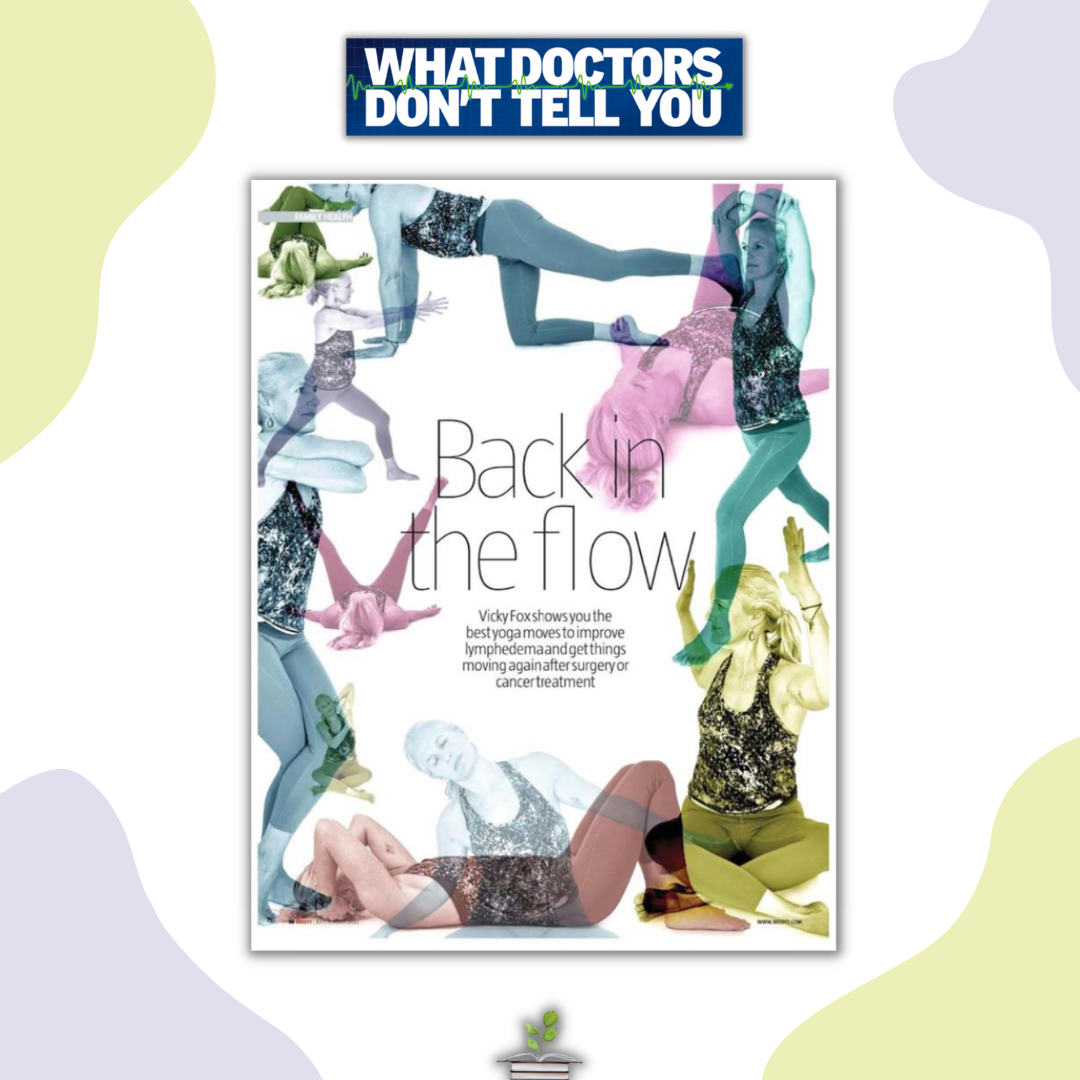
Vicky Fox – ‘Back in the Flow’ in What Doctors Don’t Tell You

Vicky Fox, author of ‘The A-Z of Yoga for Cancer’ was featured in the July 2022 edition of ‘What Doctors Don’t Tell You’. In this article, Vicky spoke about the best yoga moves to improve lymphedema and to help the recovery process after surgery or cancer treatment. With step-by-step instructions and images, she demonstrated everything from warm-up exercises to moves that mobilise the small joints and many more.


Caroline Freedman – ‘Hospital backlog in UK ‘costing lives of children, medics warn’ in The Sunday Express
Caroline Freedman, author of ‘The Scoliosis Handbook’, spoke in The Sunday Express about hospital waiting lists and the effect the long waiting times have on the physical and mental wellbeing of children living with Scoliosis.

You can read the full article here.


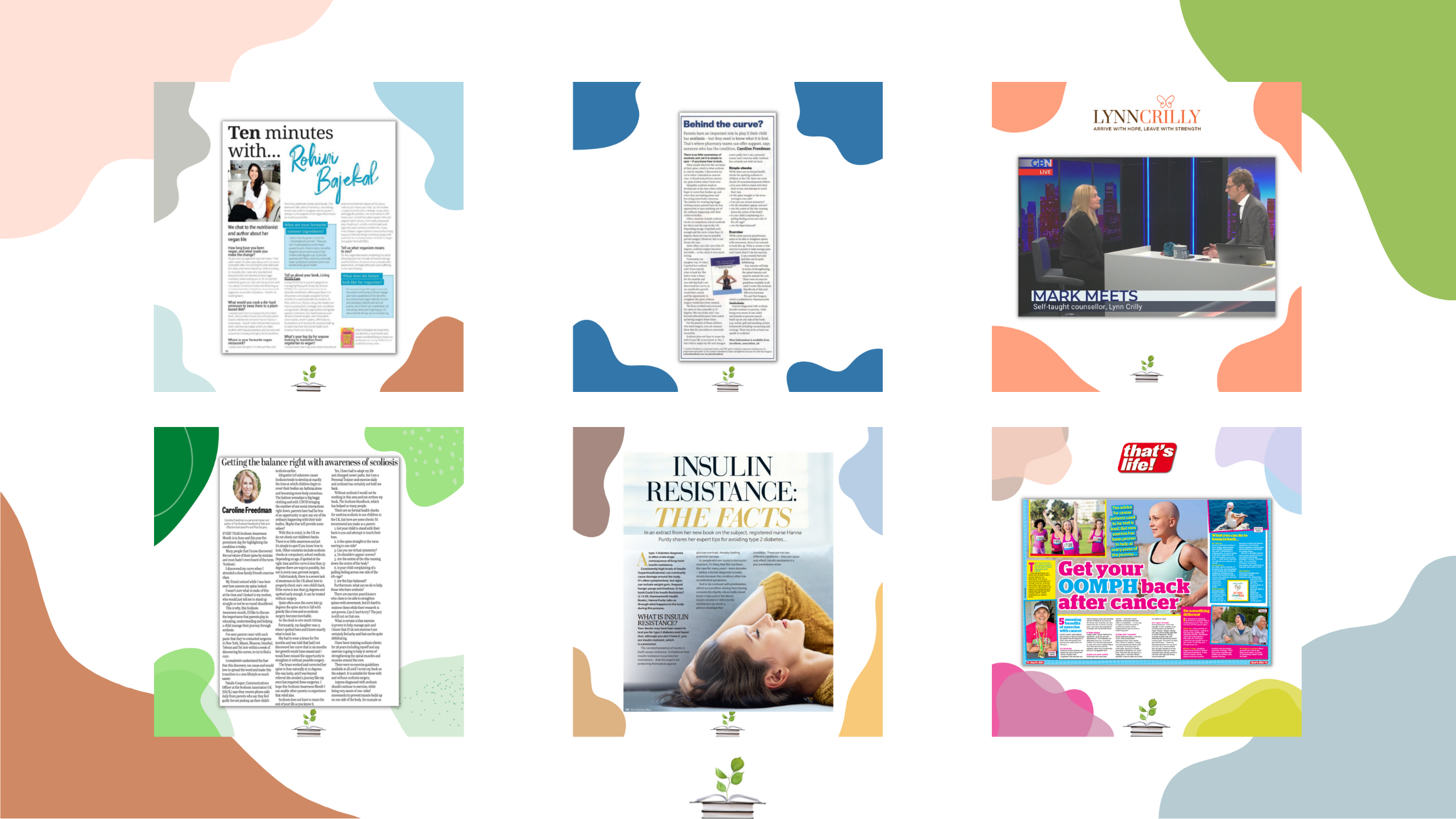
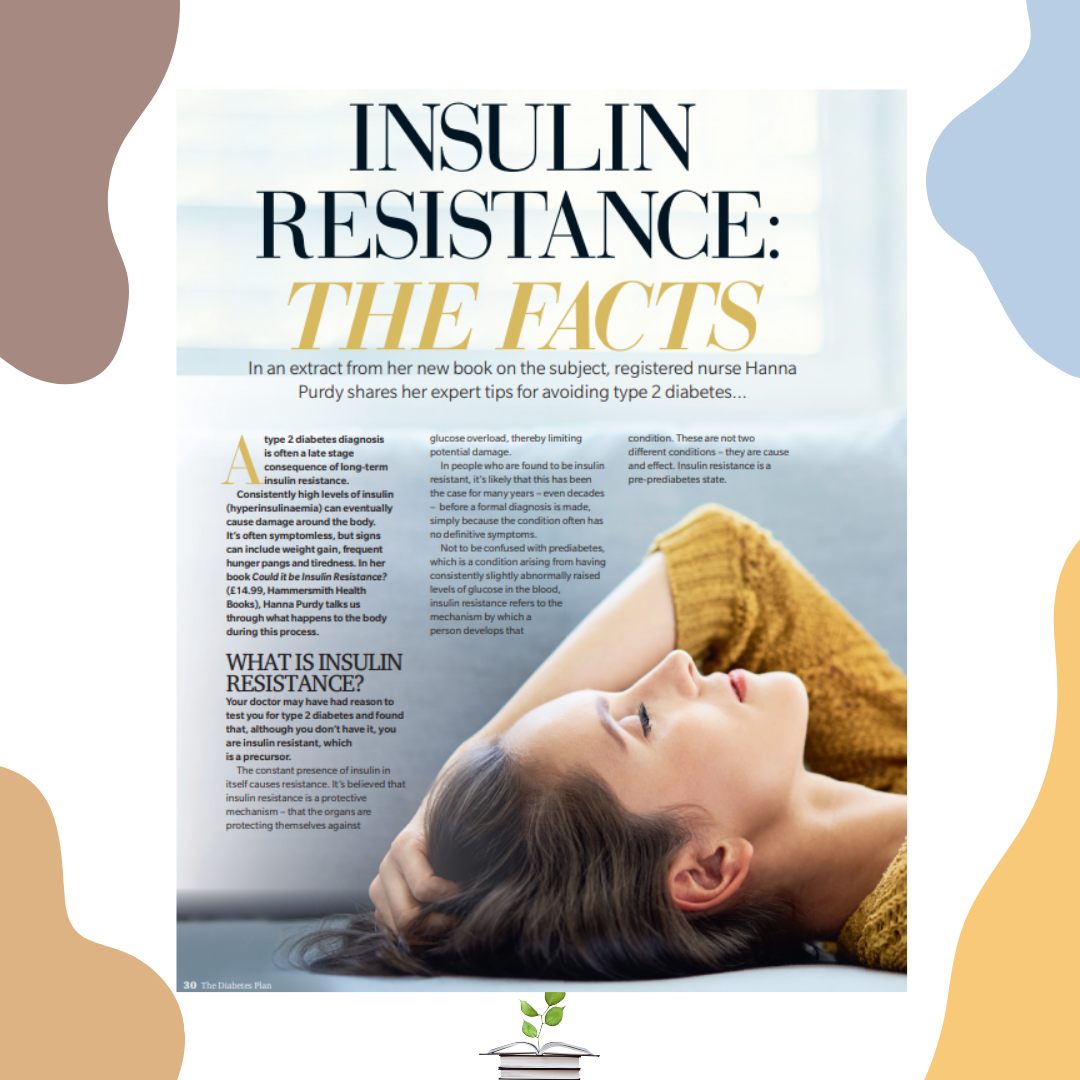
Hannah Purdy – ‘Insulin Resistance: The Facts’ in The Diabetes Plan
Hannah Purdy, author of ‘Could it be Insulin Resistance?’ was featured in an amazing article in The Diabetes Plan where she explained what insulin resistance is, what causes it and what lifestyle changes can be made to avoid Type 2 Diabetes.


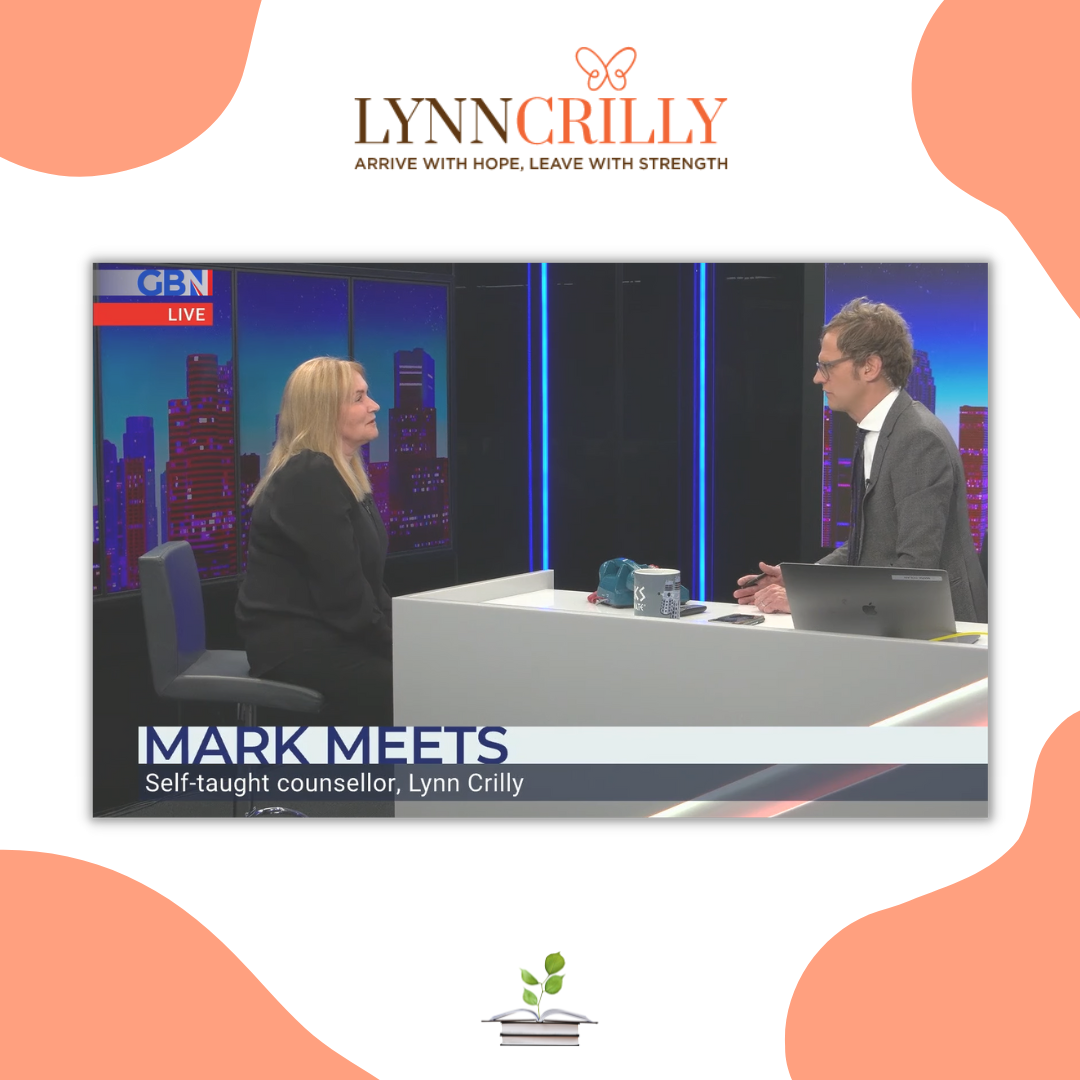
Lynn Crilly – ‘Mark Dolan Meets’ on GB News
Lynn Crilly, author of the ‘Hope With’ range spoke with Mark Dolan on GB News about mental health conditions and the effects they can have on those living with it and the people caring for them. While discussing her short film depicting life with OCD and eating disorders, Lynn Crilly offers expert advice and support on coping with mental health conditions.

You can check out the full interview here


Carolyn Garritt – ‘Get Your Oomph Back After Cancer’ in That’s Life! Magazine
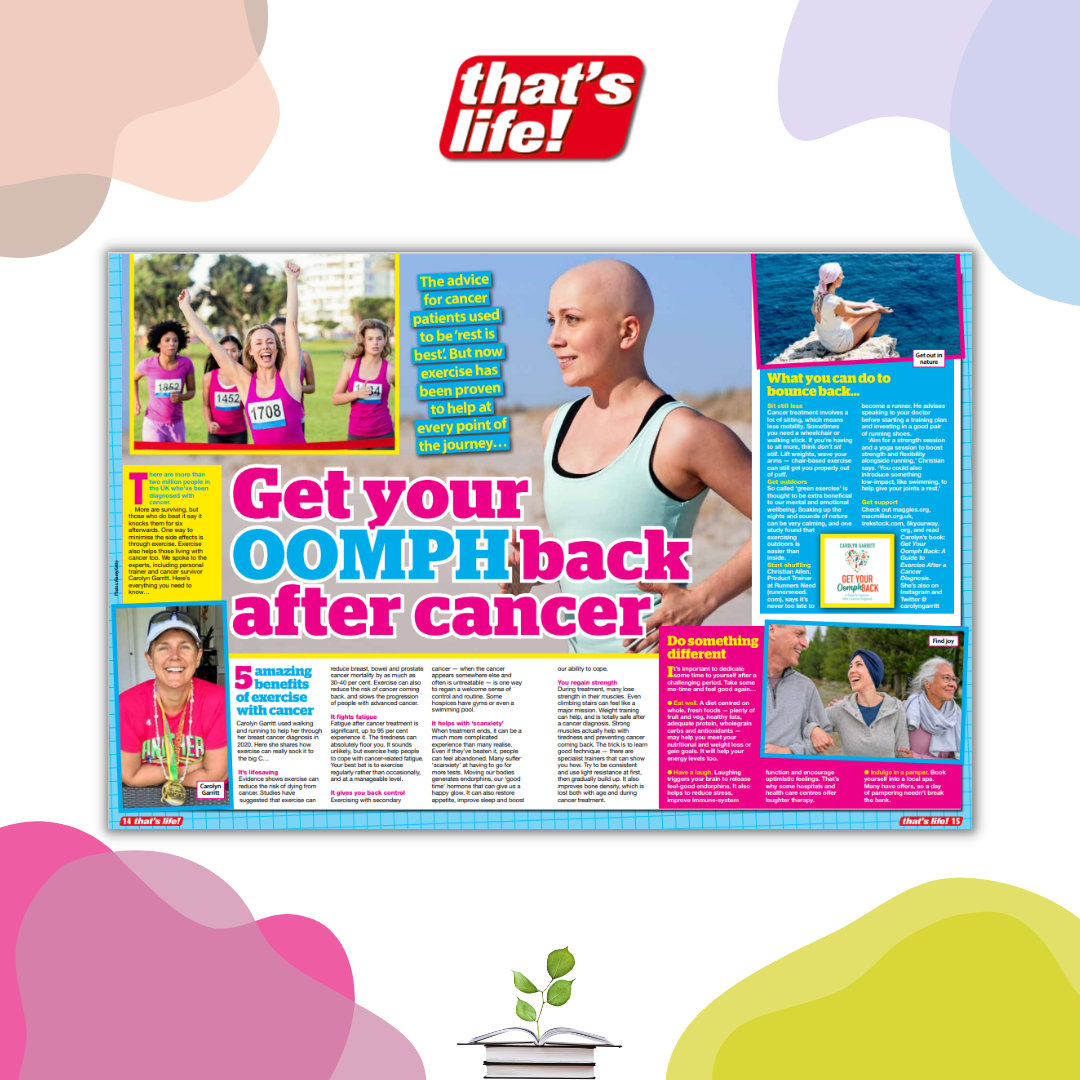
Carolyn Garritt, author of ‘Get Your Oomph Back’ was featured in That’s Life! Magazine, where she spoke all about the benefits of exercising after a cancer diagnosis and during treatment. Opening up about her own experiences, Carolyn Garritt offers readers support and advice on how you can bounce back after a cancer diagnosis.


Rohini Bajekal – ‘Ten Minutes with Rohini Bajekal’ in Plant Based Magazine

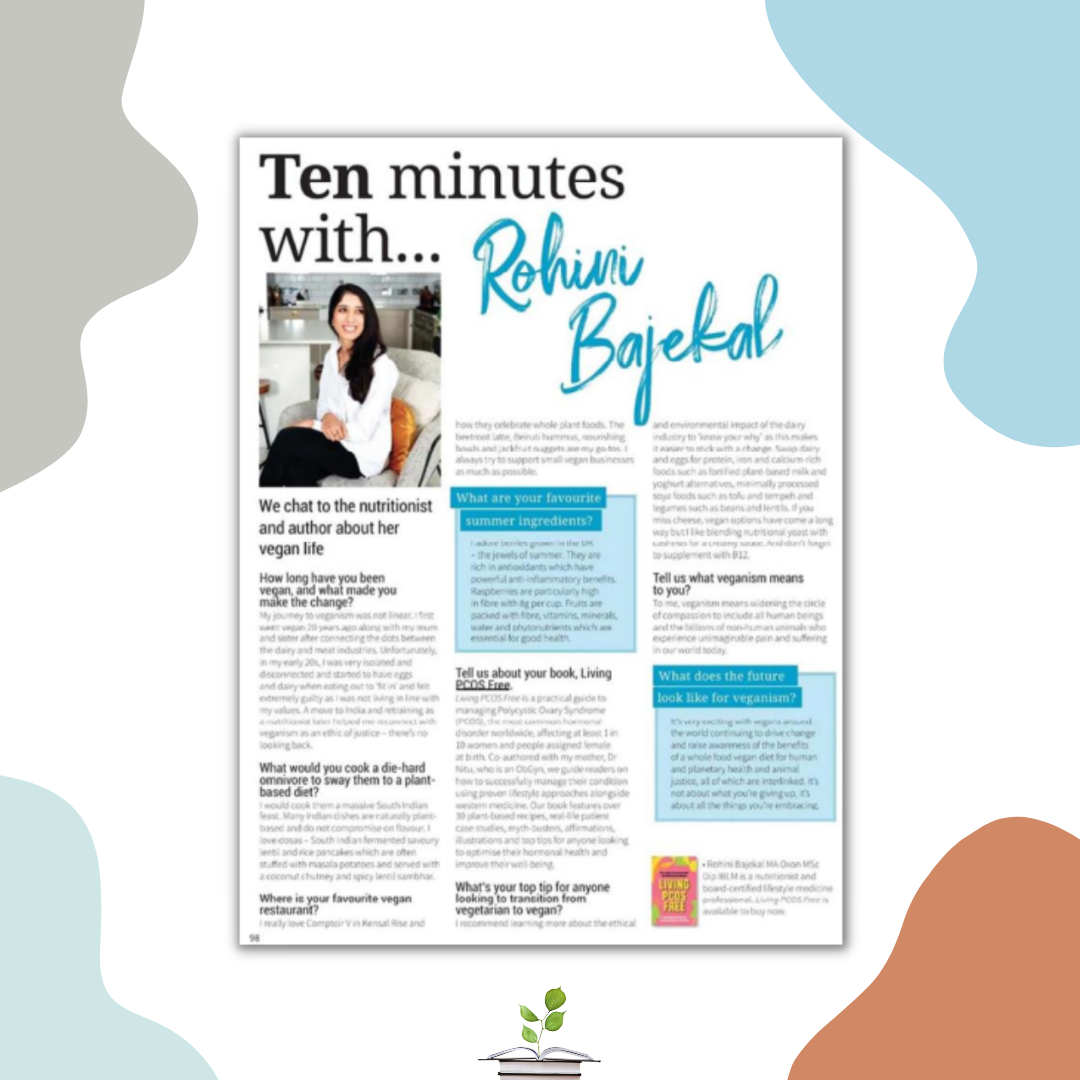
Rohini Bajekal, co-author of ‘Living PCOS Free’ was featured in Plant Based Magazine where she spoke all about her vegan lifestyle and offered top tips for anyone looking to transition from vegetarianism to veganism.

It’s always great to see our authors providing expert advice on the topics they are so knowledgeable in. You can buy their books via our main page here: https://hammersmith.firstywork.co.uk/