
Posted on

Using Pro-Resolution Nutrition To Control the Coronavirus

Virus

This post originally appeared on DrSears.com. It is written by Hammersmith Health Books author, Dr Barry Sears, author of The Mediterranean Zone

Viruses and bacteria were here long before we were and will definitely outlast us. So, when a new pathogen crosses from its natural animal reservoir to infect humans, what are you going to do? One choice is the ancient approach to quarantine infected individuals until the disease runs its course. That method was used in fighting the Black Death that started in 1348. Actually, the first appearance of the Black Death occurred about 800 years earlier when it was known as Justinian’s Plague and is estimated to have killed between 30 to 50 million in the Roman Empire. When it re-emerged in the fourteenth century it killed about half the population in Europe or approximately 75 million people. However, it didn’t immediately disappear as it continually reappeared in Europe until about 1660. The most effective interventions against the Black Death were draconian measures ranging from closing the borders, use of quarantines in both international trade (i.e., preventing ships from entering ports) and in domestic travel, and finally in keeping citizens confined to their towns to await their fate.

Newly emerging viruses can even be worse. According to the Centers for Disease Control (CDC), the first appearance of the influenza virus in 1918 infected about 1/3 of the world’s population, killed between 20 to 50 million worldwide including 675,000 in the U.S. between 1918 and 1920 (1). There were no vaccines, no antibiotics to treat secondary infections at this time, just quarantines and good personal hygiene.

Today, the modern way to treat pandemics of bacterial or viral infection is to simply surrender to the power of pathogens and use vaccines and antibiotics and modern medical care (i.e., ventilators, etc.) for the infected until the patient either survives or dies. According to the CDC, we are still not doing a good job in the U.S. as in the 2018-2019 flu season, it is estimated that more than 35 million Americans were infected (about 9 percent of the total population) with the flu, and 34,000 Americans died even though we had vaccines and antibiotics (2). While those numbers are definitely better than they were in 1920, but don’t bode well for future new viruses.

So, how are we handling the current coronavirus since we have no vaccine? The Chinese are using the ancient method of strict quarantines. It is highly unlikely that type of iron-fisted population control will work in the United States and Europe. And without a vaccine, the spread of this virus into an immunologically naïve population can rapidly expand. Is there another approach?

I believe the answer to that question is a definite yes. I call this the immuno-nutrition approach. The body has a powerful internal system to fight viral and bacterial infections. It’s a combination of both the innate and adaptive immune systems. The innate system is ancient and primitive as it reacts quickly to chemical structures. It works as our first responder to any type of microbial invasion. The adaptive immune system is more sophisticated in that it uses immune cells that digest the microbial invader and hopefully remember its structure when it might return. The adaptive immune system is slow to response (especially to a new biological invader) because it needs the innate immune system to prime it. However, unlike the adaptive immune system, the innate immune system is under strong dietary control and that’s where immuno-nutrition comes into play.

Immuno-nutrition is not simple advice to eat a healthy diet, but requires following a highly defined nutritional program to optimize the innate immune system to make the adaptive immune system more responsive to all microbial invaders. The key feature is your ability to optimize the Resolution Response™. The Resolution Response is your body’s internal healing response. It is composed of three distinct dietary interventions to reduce, resolve, and repair the damage caused by an injury including those caused by microbial (i.e., viral and bacterial) infections such as the coronavirus (3)

Without going into great detail in this blog, any injury causes an initial inflammatory response to alert your immune system that you are under attack. The more inflammation you have in your body, the less likely you can optimally activate your immune system to respond to this microbial challenge. This is why your first goal is to reduce excess inflammation in the body, not by taking an anti-inflammatory drugs (which are also anti-resolution drugs that inhibit the next step of the Resolution Response), but by following an anti-inflammatory diet such as the Zone diet (4-6). That is only the first step. Next you have to resolve the inflammation induced by the microbe by increasing the production of a group of hormones known as resolvins (7,8). This can only be done by consuming high levels of omega-3 fatty acids in the diet to maintain a low AA/EPA ratio in the blood. What is the right dose of omega-3 fatty acids? Your blood will tell you. If your AA/EPA ratio is between 1.5 and 3, then you are taking enough (3). Most Americans will require at least 5 grams of EPA and DHA per day to reach that ideal AA/EPA range since the average AA/EPA ratio for most Americans is about 20. Finally, you have to optimize the innate immune system using high-dose polyphenols that are water-soluble so they get into the blood to activate the gene transcription factor known as AMPK. How many polyphenols? Enough to keep your levels of glycosylated hemoglobin (HbA1c) between 4.9 and 5.1 per cent. This will take about 1 gram of water-soluble polyphenols per day with delphinidins being the best choice (9).

Of course, the more closely you follow the Zone diet, the fewer water-soluble polyphenols or omega-3 fatty acids you will need to optimize your internal Resolution Response (3). Such water-soluble delphinidins that can activate AMPK are found in low levels in blueberries or in far higher concentrations in delphinidin extracts. Once AMPK is activated by these water-soluble polyphenols, then it begins to orchestrate your immune system to attack and neutralize the microbe. This is definitely a team approach. If any one of the three steps (reduce, resolve, and repair) is not working at optimal efficiency, your ability to control the outcome of the microbial infection (in this case the coronavirus) will be inhibited.

This could mean the difference of either having runny nose or being on a ventilator because the likelihood you will be exposed to the coronavirus is great due to globalization. The choice of the outcome of that coronavirus exposure is yours.

References

https://www.cdc.gov/flu/pandemic-resources/1918-pandemic-h1n1.html
https://www.cdc.gov/flu/about/burden/2018-2019.html
Sears B. The Resolution Zone. Zone Press. Palm City, FL (2019)
Sears B. The Zone. Regan Books. New York, NY (1995)
Bell SJ and Sears B. “The Zone diet: An anti-inflammatory, low glycemic-load diet.” Metabol Synd and Related Disord 2:24-38 (2004)
Hotamisligil GS. “Inflammation, metaflammation, and immunometabolic disorders.” Nature. 542: 177-185 (2017)
Serhan CN. “Pro-resolving lipid mediators are leads for resolution physiology.” Nature 510: 92-101 (2014)
Morita M et al. The lipid mediator protectin D1 inhibits influenza virus replication and improves severe influenza. Cell 153(1):112-125 (2013)
Jin X et al. “Delphinidin-3-glucoside protects human umbilical vein endothelial cells against oxidized low-density lipoprotein-induced injury by autophagy upregulation via the AMPK/SIRT1 signaling pathway.” Mol Nutr Food Res 58: 1941-1951 (2014)

Posted on

How to start exercising after recovering from scoliosis surgery (or any other surgery)

Scoliosis Handbook

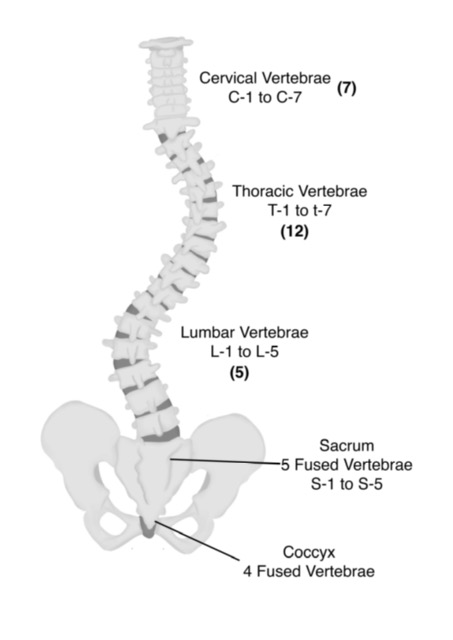
At its simplest, scoliosis is an abnormal curvature of the spine. It looks like an ​S shape​. There are four common types:

  • Right thoracic curve – curve to the right (thoracic) upper back.
  • Right thoraco-lumbar curve – curve bends to the right of the thoracic down to the lumbar (lower back).
  • Right lumbar curve – curve bends to the right of the lumbar.
  • Double major curve – usually a curve to the right at the thoracic and left at the lumbar.

Diagnosis includes bending over to touch the toes and checking to see how symmetrical the spine appears plus X-ray, CT scan and MRI.

Signs of scoliosis as advised by the NHS include:

  • A visibly curved spine
  • Leaning to one side
  • Uneven shoulders
  • One shoulder or hip sticking out

Scoliosis HandbookTreatment for scoliosis includes wearing a brace to help straighten the spine which can work, depending on the stage of the curvature, or surgery. If the spine develops a severe curve, this can cause pain, while also putting pressure on the heart, lungs and other organs. Physiotherapy, exercise and massage can also alleviate pain before and after surgery.

Starting to exercise again after scoliosis surgery can be daunting for many people. How far do you push your body and how quickly? It is easy to have lost confidence in your ability to judge your body especially if you have been out of action for months.

My guidelines for returning to exercise are based on recovery after scoliosis spinal fusion surgery but the general principles can be applied to anyone who has had fusion surgery, for example damaged discs, or indeed any other condition.

The idea after scoliosis surgery is to build up back muscles gently.

According to the surgeon from my third surgery, the general rule is to lift no more than 5 kilos with free weights.

Starting back to exercise

PAIN

You should not feel pain during exercise at all. If there is any pain in the joints – back, neck, hips, knees, shoulders, elbows, wrists – stop what you are doing immediately. Gentle muscle pain after two days is normal in, for example, the quads (thighs), glutes (bottom) and abs (stomach). It is not normal not to be able to walk, or to have terrible neck and shoulder pain or to be in agony. If this happens, either the exercise was performed incorrectly or you have overdone it, or that exercise is definitely not for you. Do not over-push yourself at any time after scoliosis surgery. Initially, fatigue sets in quickly, so always make sure there is a rest time when the session is finished. Chill out for at least 30 minutes afterwards.

Always be aware of your posture and body alignment. Head, neck, shoulders, spine, hips, knees, ankles and toes should follow each other. A tip is to look down or check yourself in the mirror. Are your knees pulling together or your toes positioned inwards? Knees should be front facing or slightly outwards and toes positioned between 11am and 1pm OR 10am and 2pm.

With my clients, I operate what I call ‘exercise allergy awareness’

EXERCISE ALLERGY AWARENESS

  • Start with one gentle exercise
  • Start with low repetitions
  • Wait for two to three days
  • If you feel no pain at all after two to three days, continue with the first exercise and add a second
  • Wait another two to three days
  • If you feel no pain at all, add a third exercise to your routine
  • Wait another two to three days
  • If you feel no pain at all, add a fourth exercise, and so on … If you do feel pain, which at its maximum should be no more than gentle muscle pain, you will now be aware that a particular exercise is to be avoided – just like a food allergy.
Caroline Freedman
Caroline Freedman, author of The Scoliosis Handbook

Regular exercise will really help to stretch and strengthen the muscles around your spine, keeping them strong. As a result, posture will improve and you will look and feel so much better. It is a case of listening to recommendations from the consultant, physiotherapist and your body as to what may be comfortable to do.

Always consult your GP, consultant or physiotherapist before starting to exercise again.

Blog post written by Caroline Freedman, author of The Scoliosis Handbook, coming soon to Hammersmith Health Books. For more information about Caroline or the book, visit her website: https://www.scoliosishandbook.com/ or follow her on Facebook or Instagram.

Posted on

Blue Monday: The Most Depressing Day of the Year

Blue Monday

Since 2005 ‘Blue Monday’ is the name given to the third Monday in January, also known as ‘the most depressing day of the year’. The day was first publicised by the travel company Sky Travel, who claimed to have used an equation including many factors such as weather conditions, debt levels, time since Christmas, low motivation levels and many more, in order to boost holiday sales.

Whilst it is true that January can be a depressing time for many, waving goodbye to the ‘festive spirit’, work parties and family time. For others, it can be a time of relief that the busy Christmas period is over, with the new year in play bringing new beginnings.

Some of those who feel depressed and low in January can attribute their symptoms to a depressive disorder, known as, ‘Seasonal Affective Disorder’ this can also be known as the Winter Blues, which can be caused by a lack of sunlight and being stuck indoors. In my upcoming book I cover the signs and symptoms associated with this type of depression, as well as some ways in which the mood can be lifted through the most depressive seasons.

It all sounds pretty depressing doesn’t it….however, according to an article in The Independent in 2018, ‘Blue Monday’ was not meant to have a negative impact, but actually the opposite, it was meant to encourage and inspire people to take a positive action within their own lives. I chose this date (January 20th 2020) for the release of my new book ‘Hope with Depression’, for the latter reason. To encourage those suffering from depression to open up and seek help, and for those caring for a loved one with depression to gain the strength and understanding about this deeply debilitating and destructive mental illness.

I have put together some tips on how to stay mentally positive this January:

  • Make small, doable resolutions that are achievable
  • Make time for your mental health – self-care is a necessity, NOT selfish
  • Plan some time with friends or family so you have something to look forward to
  • Switch off – put time aside to be phone, internet and technology free
  • Put time aside to exercise, even if it is a small amount, a little goes a long way

‘Blue Monday’ may be somewhat of a myth, however, it is important to remember people can feel depressed and possibly suicidal at any time of the year. We know that most of those who are suicidal do not actually want to die, they just want their pain to stop. For anyone struggling with mental illness please contact the SANEline for emotional support, guidance and information, 0300 304 7000.

Hope with Depression, a new  book by Lynn Crilly, will be available from Hammersmith Health Books on 20th January. 

Posted on

A Carer’s Christmas

Carer's at Christmas

The festive season is approaching and many of us look forward to enjoying this time. But for those caring for a loved one, Christmas can add an extra layer of stress, on top of everything else they are contending with.

Whilst caring for my husband, I still loved Christmas time, but immediately after, I always fell ill. I then spent January recovering, which made caring even more difficult.

So with this in mind, here is some useful advice to help you enjoy the season as you continue to care, so as not find yourself completely exhausted by the end of it!

  1. Spend a few moments planning the next three weeks. What do you really have to do and what do you not have to do? For example, do you always make the Christmas cake? Why not buy in this year and save yourself the time and energy? Just by making a few simple choices, can help to relieve us of any unwanted stress.
  2. We can find ourselves writing Christmas cards into the night! I know I certainly have. Then there’s the expense, plus the thought of climate change and all those trees. Why not write just a handful of cards to your nearest and dearest, and send an email or text to friends, letting them know you will be donating a bit of money to charity instead of sending them a card?
  3. We want to say yes to all things! But if you are caring, you only have so much energy, plus limited time and money. So instead of trying to cram in and see everyone over the next few weeks, why not suggest meeting some folk in the New Year to spread it out? This will give you a bit more space and give you something to look forward to in January.
  4. All that Christmas shopping can leave anyone frazzled. If you don’t have a problem with shopping online, this can certainly take the pressure off, avoiding the crowds and shops. Also, you may get some better deals online, as well as having your gifts delivered to your door, without leaving the house.
  5. Listen to your body. If you’re already feeling exhausted, and you have planned to go out and see friends or family, let them know how you really feel. Take the time to rest and recoup. If you try to do too much, and become completely depleted, your immune system may become low, leaving you susceptible to picking up a bug. The last thing you or your loved one needs. We just can’t please everyone all of the time. I know. I’ve tried! Let others know how you feel and if they really care, they will understand.
  6. Enjoy the simple pleasures. I love the fairy lights going up in the living room and having the candles on. Why not invite friends and family over instead of going out for an evening? Even though you will then be hosting, it can still help to save money and the energy,or getting your loved one out to a destination in the winter months.

Finally, we want to make the most of this special time, because for many of us, we know we may only have limited time with our loved one. This is why caring can be so very difficult. So be kind to yourself, ensure you take regular breaks and rest, so that you can make the most and enjoy the festive season.

Blog post written by Sara Challice, Who Cares? How to care for yourself whilst caring for a loved one. Available from Hammersmith Health Books, April 2020. 

Posted on

How to Cope with Family Gatherings When No One Understands Your Illness

family dinner

The holiday season can be filled with moments of love and joy, but it also can be stressful for those of us living with chronic illness. This is especially true if your family doesn’t understand what you are going through day to day. If you are worried about managing the holiday season with your family this year, here are five do’s and don’ts to help you navigate family gatherings when feeling misunderstood.

  1. Let people know what to expect. If you don’t tell your loved ones what you need, they won’t be able to help give it to you. A close friend of mine keeps a live Google Document with a current health status, a list of foods she can eat, and a couple tips on how to best support her. Try making a guide like this of your own and share it with you family before you get together – more often than not, when people know how to support you, they will.
  2. When it comes to food, make something you know you’ll enjoy. One of the most challenging things about navigating the holiday season with a chronic illness is sorting out dietary restrictions. Before you get together with your family, spend some spoons on preparing a dish you know you can eat and will enjoy. This ensures that you aren’t left out of the family meal. If you aren’t able to make something for yourself, ask a friend to help you prepare before you connect with your family.
  3. Find an ally. Whether this is someone in or out of your family, find someone you can touch base with through the day. Family gatherings can induce anxiety for those of us battling illness and having a friend or ally checking in with you can make a real difference.
  4. Decide on a safe space to rest before you arrive. This is a big one. Make sure you have somewhere quiet and calming that you can retreat to. This might be a guest room, a study, even your car. If you have somewhere safe and comfortable to rest, you may have more stamina for the day.
  5. Try not to over-extend yourself. Family gatherings are exhausting even for able-bodied folks! Try not to give more of yourself than it is healthy to give. Does it make sense for you to come in before a meal and hang for an hour before going home? Do it! Even if they don’t understand your day to day life, most families want to love and support each other. By making choices that take care of YOU, you’ll be able to better invest in moments of positivity throughout the gathering.

Every family is different, and every illness experience is different – some are shaped by more toxic support relationships than others. But if you can communicate clear expectations, find support where and when you need it most, and be able to take yourself out of the situation when you need to – you’ll be able to manage your next family gathering with grace, positivity, and strength.

Blog post written by Allie Cashel, expert patient featured in the book Lyme Disease, medical myopia and the hidden global pandemic. Available from Hammersmith Health Books. 

Buy Now
Posted on

Time to Vote in The People’s Book Prize

People's book prize

The People’s Book Prize is a literary competition aimed at finding, supporting and promoting new and undiscovered works — decided exclusively by the public. This year, we are proud that three authors have been nominated in the Summer Collection, non-fiction category:

Last year, author of Understanding BRCA, Clarissa Foster, won the Beryl Bainbridge First Time Author award. Here is what she said about what winning this award meant to her:

“I am over the moon to have won ‘The Beryl Bainbridge First Time Author Award’ at The Finals of The People’s Book Prize, which was made possible by the many, many people who supported and voted for me – thank you to all who voted!

“Being a part of this prestigious book award has offered a fantastic platform to help raise much-needed further awareness of BRCA gene mutations, and the support I am offering to those, like myself, who are at an extremely high risk of developing breast and ovarian cancer during their lifetime.”

The winners in each category are determined by votes. The People’s Book Prize is a great opportunity for us and our authors to seek the support of our many readers and to be judged by the actual readers of our books.

We encourage you to take a minute to vote. Here’s how:

Voting is open now until the 15th October!

We wish Iida, Alex and Richard the best of luck in this year’s awards.

Posted on

My Journey to Managing Osteoarthritis

Osteoarthritis

One Step Ahead of OsteoarthritisIt crept up slowly with a little niggle here and there, and a bit of stiffness in the joints and then I wondered why my knee seemed to hurt when I played tennis. So I went to the doctor and was referred for an MRI, worried that I might need to have an operation. So it came as some relief to be shown the scan and see that it was osteoarthritis, no damage, and no need for an operation.  I was told to carry on playing tennis and do other exercise.

After a couple of months I was back to playing tennis with a support on my knee and that was eight years ago, and I haven’t had to stop since.  But then my thumbs started hurting, and the joints in some of the fingers felt swollen.  I was wary of arthritis in the hands as I’d seen my mother’s gnarled fingers and didn’t want the same to happen to me.  So I had them X-rayed and sure enough it was osteoarthritis.

I am a health journalist and I follow a natural lifestyle, so that seemed to be the way to go. And to be honest the doctor didn’t really offer any alternatives. They tell you to take Ibuprofen if the pain is bad, but strong drugs are reserved for chronic pain and due to the side-effects they certainly don’t hand them out to anyone who has a bit of osteoarthritis.

I also take the view that with many health issues there is so much you can do yourself that it’s not necessary to suffer.  So I started researching the subject and found out that I needed to make my diet more alkaline and much less acidic as acidity in the body is a problem for osteoarthritis (and many other conditions).  This simply involved some adjustments to what I ate, but no major changes.  I almost cut out certain foods  like tomatoes, aubergines and potatoes, and decided to drink much less wine.

I was already exercising quite a lot – tennis, tai chi and yoga – but I added some specific exercises for knees and hands and made sure I did some every day.  Tennis clubs are full of “older” people wearing knee supports yet doctors seem to think that it’s a good idea to continue with any exercise that you are used to doing.  Tai chi and yoga are both very good for osteoarthritis, and classes are often manageable for the less mobile.

I experimented with different supplements, that are known to be good for osteoarthritis (glucosamine, chondoitrin, rosehip, and more) but settled on turmeric and (no-blush) Niacin or Vitamin B3).  I took cider vinegar in water every day and gradually things began to improve, although I should emphasise that you can’t actually cure osteoarthritis but you can reduce inflammation and pain.

By not taking my thumbs and fingers for-granted, as I had done all my life, and trying to avoid putting undue pressure on them,  I have found that they don’t cause me many problems any more.  In fact, and this is quite amazing, they are straighter and stronger, and the knuckles are far less inflamed – happily they are not now very noticeable to other people, which is a good thing.

It’s important for me to keep my weight down as a few pounds extra can make all the difference with my knee and it can start hurting.  I also need to avoid too many stairs downward,  so often take the lift just to avoid them. I can walk down steps perfectly well but it puts unnecessary pressure on them.

Once it becomes a way of life to manage osteoarthritis, it is easy to do and prevents too much pain or discomfort.  My own experience and my background as a health journalist made me decide to write One Step Ahead of Osteoarthritis, so that others can benefit and take a positive approach rather than feeling downhearted about it.

Blog post written by Frances Ive, author of One Step Ahead of Osteoarthritis which is now available from Hammersmith Health Books!

Posted on

Are you One of the Billion Migraine Sufferers?

woman-migraine

There are one billion people in the world like me (and most likely like you too, since you are reading this blog): people who suffer from migraine. Although you already knew it was so common, you still probably feel (as I do!) that you are the only person in the world who suffers this much, and in a way no-one else can understand.

This is called the paradox of living with chronic pain disease. It is so much easier with flu: during the flu season most people around you are also sneezing, coughing and moaning, at workplaces or at home in bed. It helps to know that you are not alone. It makes suffering tolerable. When ill, you may enjoy being pampered by healthy family members. You may even update your Instagram with a photo of you on a couch in front of the TV with a blanket and a bowl of chicken soup. Post #sickasapuppy and empathetic faces, thumbs and hearts will fill the screen.

During migraine attack, there is no-one but you and the pain inside your head. The excruciating pain grabs all your attention, unplugs your power cords, shoots you with a taser, holds you to ransom. It allows no people in sight. Pillow adjustments by the loving spouse make no difference. Selfies do not even cross your mind. The only thing you care about is to get rid of the pain. You count the minutes.

Migraine is one of the most severe and disabling neuropathic pains one can experience. That is a solid fact. When, where and how migraine affects people varies considerably between people, and also within each individual. A billion people means several billion variations of migraine attacks. Not every attack is identical, nor are the triggers always the same. The pain-free periods between the attacks also differ. For the lucky ones, it is 24 months; for the unlucky ones, it is 24 hours.

A billion people is a massive peer group. That said, it is still only you who knows your migraine and only you can find the best ways to live a good and meaningful life with this disease. Despite this disease.

You don’t have to figure out everything by yourself, though. So much scientific evidence, and understanding of good practices, has emerged during recent years on effective ways to treat migraine attacks – as well as prolong pain-free periods – that all the tools you need for your own toolbox are already out there. You just need some easily digestible information, some perseverance, some help from skillful healthcare professionals…  and some support from the billion peers, of course.

Written by Dr. Helena Miranda, pain physician, chronic pain sufferer (including migraine), and author of the new book Rethinking Pain – How to live well with chronic pain.

Posted on

Irritable Bowel Syndrome & Giardia – A Q&A with Susan Koten

What was the inspiration behind your book?

Experiencing the trauma and desperation of my life being turned upside down with the sudden onset of IBS symptoms fifteen years ago, and the lack of help available. This experience stayed with me and when I started to see and treat patients in my clinical practice who were going through the same experience, I knew I would one day write a book about it and Irritable Bowel Syndrome & Giardia is the end result of all that experience.

What was the most challenging part of writing the book?

This is my first book and when I started the project 10 years ago, I had no idea the amount of work that lay ahead to finally get it published.  This book has the potential to change people’s lives for the better so it was important extreme care and research went into writing it. With a busy practice to run, I would often start writing at 10pm and finish at 2am – this has always been my quiet time and I could concentrate with no interruption.

What has been the most satisfying part of the writing process?

My aim is to pass my knowledge on to those who need it and as I delved deeper into the subject matter, to understand how and why the clinical observations and patterns of my patients were presenting themselves, I have found writing it down and putting all this information together in a manuscript, has allowed me to achieve this.

Did anything surprise you while writing IBS & Giardia?

About seven years ago I changed my treatment strategy to a more gentle approach and the results surprised and amazed me which is reflected in the book.

What sort of people would benefit most by reading your book?

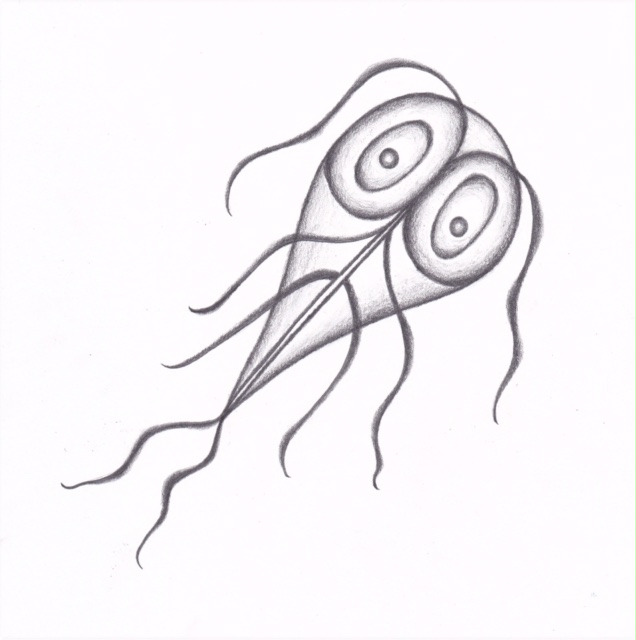
This book is for anyone who is struggling with the health of their digestive system and other related disorders. It is also aimed at health professionals, both allopathic and alternative, who are treating these patients.  It is my hope that the information contained in this book, and the personal testimonies of my patients who were suffering with what is currently a chronic and untreatable diagnosis, (IBS), will bring hope and healing to those who are unwitting hosts to the Giardia parasite. Of course I appreciate this parasite is not responsible for all digestive issues but in my experience a Giardia infestation is very often overlooked as the cause of digestive problems and this then leads to misdiagnosis and a life of misery for those affected.

Posted on

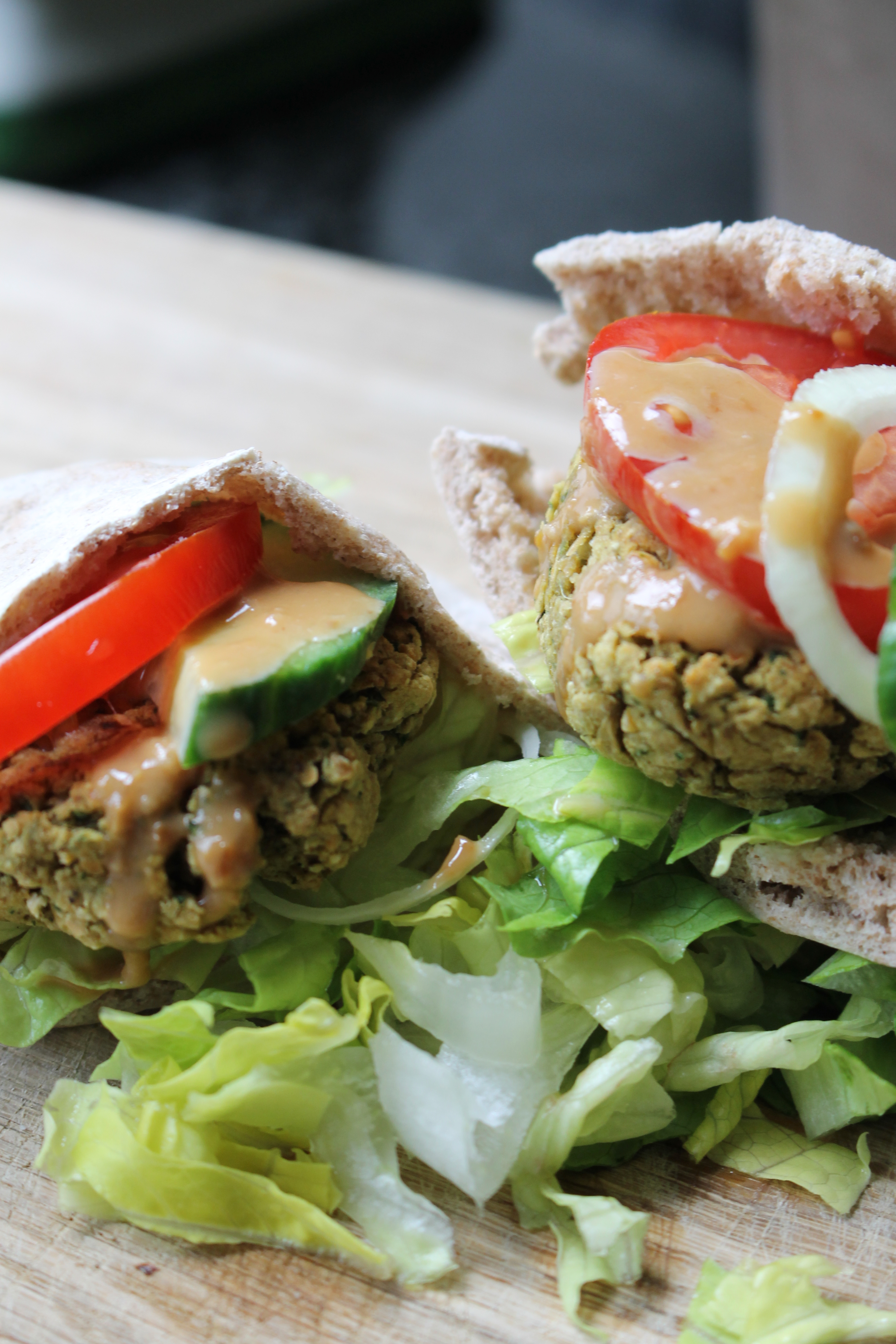
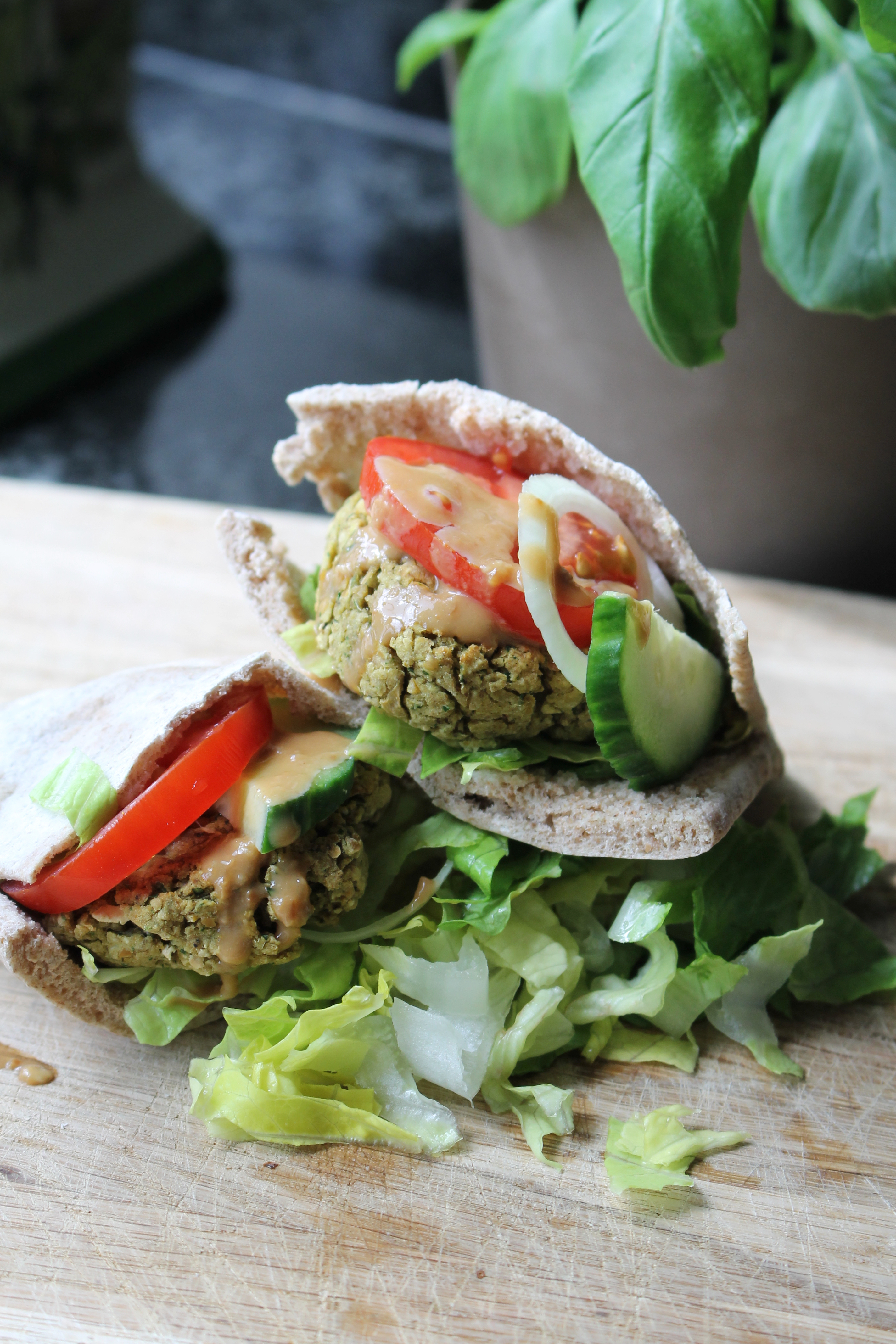
Happy International Falafel Day

Falafel recipe

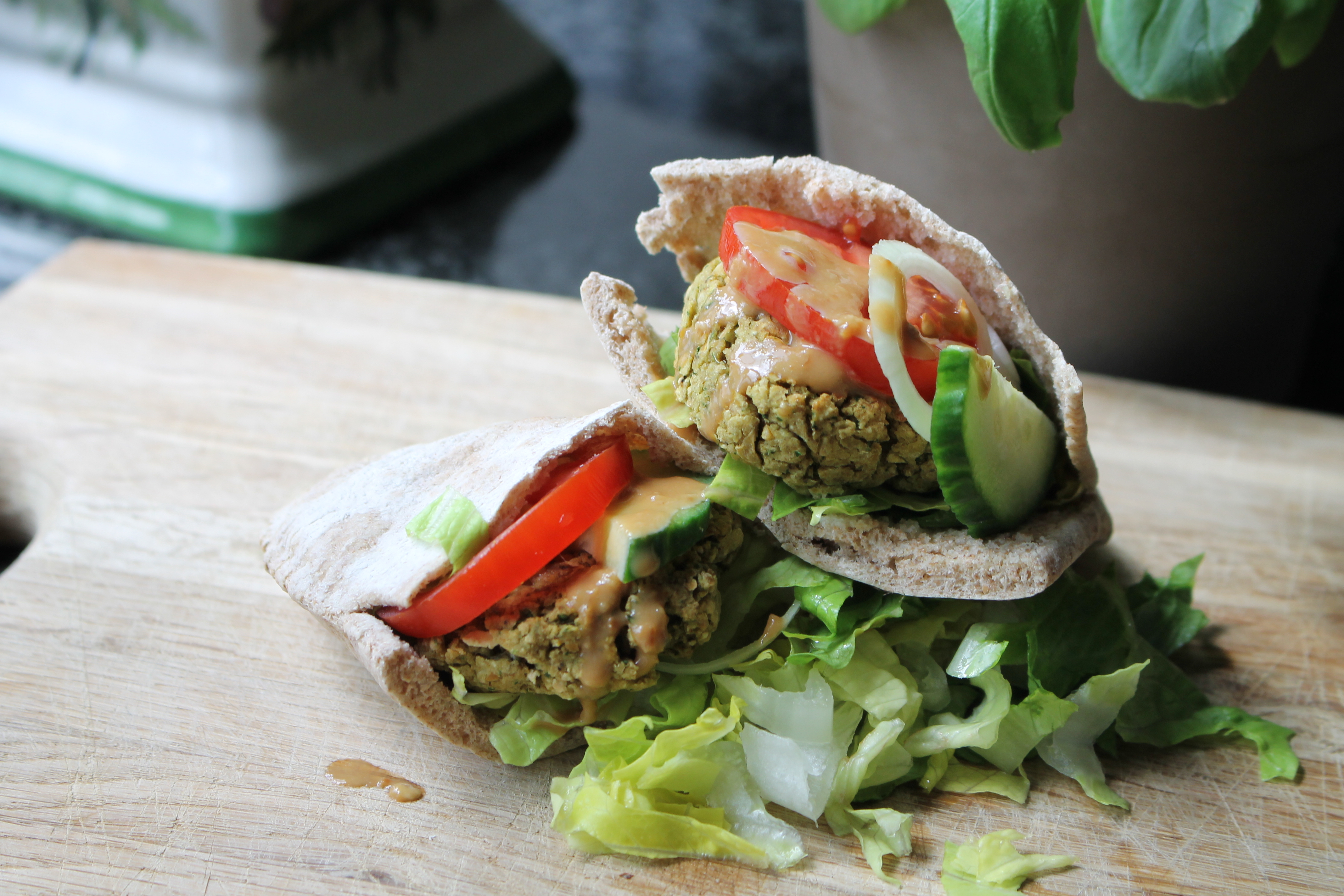
Today – 12 June – marks International Falafel Day! Deep-fried and composed of chickpeas or fava beans, this Middle Eastern food is often found wrapped up in a pita bread, or served with salad and sauces.  A favorite among meat-eaters and vegetarians alike, the latter of whom will often find it presented as an alternative to meat, falafel is one food that certainly deserves its own day of recognition.

To celebrate your favourite chickpea treat, we are sharing a special, new recipe from Iida van der Byl-Knoefel, author of A Kitchen Fairytale. This falafel recipe, complete with Tahini miso dressing, is brand new, made especially for International Falafel Day. Enjoy!

Falafel recipe

Falafel
2 portions
Ingredients:
  • 1 heaping cup of cooked, drained and patted dry chickpeas
  • 0.3 cup of mixed coriander and parsley leaves
  • 2 cloves of garlic, minced
  • 0.5 tsp cumin powder
  • 1 teeny tiny onion, chopped (approximately 2 tbsp)
  • 0.5 tsp bicarbonate of soda
  • 3 tbsp oat flour (blend oats on their own for a few seconds to get oat flour)
  • Black pepper
  • 0.5 tsp Himalayan pink salt

Method:

  1. Turn the oven to 200C (400F).
  2. Set aside 2 tbsp of chickpeas.
  3. Place the rest of the ingredients in a food processed and blend until you have a nice, crumbly consistency, about 1 minute.  When done, add the remaining 2 tbsp of chickpeas and blend for another few seconds as it is nice to have some varying textures in there.
  4. Put the mixture in the fridge for an hour to allow it to set.
  5. After an hour, using your hands, make small round balls with the dough, about 2 tbsp each, and pat down on a non-stick ovenproof sheet – or baking paper – in an ovenproof dish.  You will get eight of them.
  6. Bake in the oven for 15 minutes.
  7. Serve in pita bread/your choice of gluten free bread with generous amounts of shredded lettuce, sliced onion, tomato and cucumber and this heavenly dressing drizzled on top:
Tahini/miso dressing 
Ingredients:
  • 2 tbsp Tahini
  • 1-2 tsp brown rice miso paste
  • 2 tsp maple syrup
  • 4-5 tbsp of near-boiling water

Method:

  1. Add the tahini, 1 tsp of miso paste and the maple syrup to a mug.
  2. Start stirring in the water, one tablespoon at the time.  Note that the water mustn’t boil completely, in order to retain the wonderful enzymes in the miso paste.
  3. Keep adding water until you have a smooth dressing consistency.  You can add more miso for stronger flavour.
  4. Drizzle the dressing over your falafel creations and enjoy!  This makes a big batch of dressing so you will have plenty for many more days to come.
Falafel recipe
Yum!